
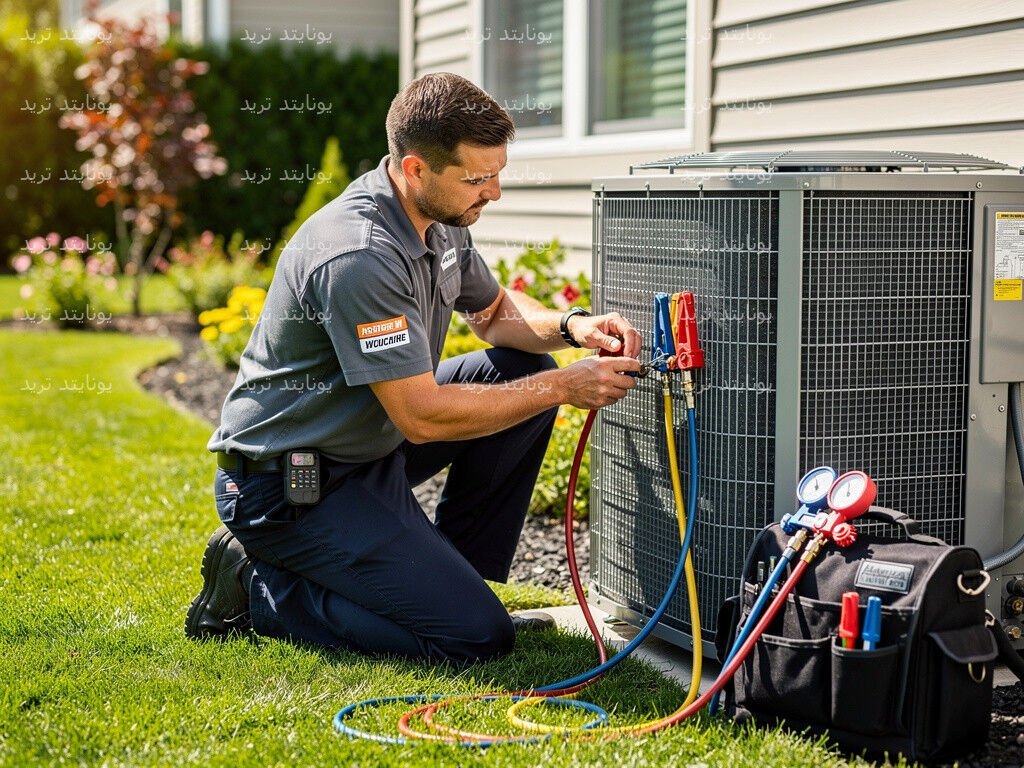
Warning signs that indicate the need to call a specialized technician
Some problems may seem minor at first, but ignoring them could lead to permanent damage to the cooling system. It is necessary to pay attention to the following indicators that require immediate intervention from professionals Air conditioning maintenance:
- Poor airflow coming out of the vents, which may indicate dirt buildup in the drains or a faulty fan.
- Unusual sounds such as buzzing, whistling, or metal friction, which often indicate problems with mechanical parts or the engine.
- Unpleasant odors appear when the device is turned on, which is a possible indication of mold growth inside the unit or a simple electrical short.
- The device automatically turns on and off repeatedly, which reflects a defect in the thermostat or temperature sensor.
- A noticeable increase in the electricity bill for no apparent reason, which means that the device is making double effort to reach the required temperature.
Table comparing common malfunctions and ways to deal with them
| Holidays | Possible cause | Action required |
|---|---|---|
| Water leaking from the indoor unit | Clogged water drain hose | Clean the drain hose and make sure there are no obstructions |
| The device does not cool well | Lack of Freon gas or dirty condenser | Check Freon pressure and clean the external unit |
| Ice formation on the evaporator | Poor air flow or Freon deficiency | Stop the device, check the filters, and call a technician for inspection |
| Remote control not responding | Weak batteries or defective signal receiver | Replace the batteries or reset the device |
Tips for maintaining cooling efficiency on extremely hot days
During peak summer periods, the air conditioning system faces a lot of pressure. To ensure stable performance and avoid sudden malfunctions, follow these operational practices:
- Set the temperature to a moderate level (eg 24°C) rather than very low temperatures. This reduces the load on the compressor and saves energy consumption.
- Make sure to close the curtains and windows well in air-conditioned rooms to prevent the leakage of cold air and the entry of external heat, which helps the device reach the required coolness more quickly.
- Avoid placing heat sources such as powerful lamps or large electronic devices near the thermostat sensor, as this may trick the device into constantly running unnecessarily.
- Make sure to provide enough space around the outdoor unit to allow air to circulate freely, and avoid placing any objects or boxes in front of it, as this will hinder the heat transfer process and lead to an increase in the temperature of the internal components.
It is a process Air conditioning maintenance Periodically the keystone to ensure efficient cooling in your home and avoid sudden breakdowns during the peak of summer. By adhering to a regular inspection schedule, you can improve the performance of your equipment, significantly reduce electricity consumption, and extend the life of operational units for many years. In this article, we'll go over practical steps and professional techniques to keep your cooling system at its best.
Quick answer
Effective maintenance of air conditioners consists of periodically cleaning the filters, checking the refrigerant gas level, and ensuring the integrity of the electrical and mechanical connections. It is recommended to perform this process at least twice a year; Once before the start of the summer and again in the middle of the season to ensure stable performance. This procedure protects the device from damage and maintains the air quality inside the space.
Why is regular maintenance considered an indispensable necessity?
Affect Air conditioning maintenance It directly affects the quality of the air you breathe, as dust and fungi accumulate inside the indoor unit over time. When you ignore this aspect, the fan is forced to work twice as hard to push air through the clogged filters, causing the motor temperature to gradually rise. As a result, cooling efficiency decreases and the electricity bill rises unjustifiably.
The effect of dust accumulation on performance
The dust accumulated on the cooling coils acts as a thermal insulator that prevents efficient heat exchange between Freon gas and the outside air. When heat exchange decreases, the compressor is forced to work for longer periods to reach the required temperature, which exposes it to rapid mechanical wear. Cleaning these coils regularly is an essential part of any professional air conditioning maintenance plan.
Protect the compressor from damage
The compressor is the beating heart of any air conditioning system, and the cost of replacing it is very high compared to simple maintenance costs. Excessive pressure resulting from a lack of Freon or blockage of the air paths leads to burnout of the compressor coils or damage to the high-pressure valves. Regular inspection detects these problems before they worsen and cause major financial losses.
Comparison Table: Preventive Maintenance vs. Emergency Repair
| Comparison | Regular preventive maintenance | Emergency repair (in case of breakdown) |
|---|---|---|
| Material cost | Low (long term investment) | Very high (spare parts + emergency labor) |
| Performance | Consistent and stable all season long | Volatile and prone to sudden stops |
| Energy consumption | Perfect and affordable | High due to work pressure |
| Device age | Long and extended | Short and susceptible to premature damage |
Practical steps to carry out comprehensive air conditioner maintenance
The maintenance process must begin by completely disconnecting the electrical current from the device to ensure your personal safety and avoid any electrical shocks. Start by gently unscrewing the indoor unit cover to remove the air filters, then wash it with running water using a soft brush to remove accumulated dust. Make sure the filters are completely dry before reinstalling them, as moisture can cause mold to grow inside the unit.
Check the outdoor unit intelligently
The outdoor unit is primarily responsible for expelling heat, so you must ensure that it is completely free of any obstacles such as trees or dust accumulation on the fan. Use an air compressor to clean the condenser's metal fins, being careful not to bend these delicate fins. Furthermore, make sure the mounting base is level to avoid annoying vibrations that may cause loosening of the copper connections.
In many cases, these frequent malfunctions and poor efficiency are due to technical errors committed initially at Air conditioning installation Incorrectly. Correct installation of piping and units by certified technicians ensures that refrigerant leakage is avoided and energy consumption is maintained at optimal levels over the long term.
Electrical and refrigeration cycle testing
After cleaning, restart the device and monitor the stability of the power supply and sound level of the unit. If you notice an unusual sound or excessive vibration, there may be a problem with the fan bearings or mounting screws. Using an ampere meter allows you to ensure that the current draw is within the permissible limits stated on the device's data label.
Some frequent cooling malfunctions and poor efficiency may also be due to early errors that occurred during operation Installing air conditioning ducts Copper and choose diameters that are not suitable for the flow of Freon gas. Therefore, a comprehensive inspection of the path of these extensions and ensuring the quality of their insulation avoids the system’s problems with refrigerant leakage and ensures its stability in the long term.
The efficiency of the cooling cycle in air conditioners depends fundamentally on the accuracy Copper extension pipe Choose diameters and thicknesses appropriate to the nature of the system. Applying effective thermal packaging techniques also contributes to reducing cold loss and preventing the formation of harmful condensation that may lead to damage to walls and internal units.
The efficiency and sustainability of the air conditioning system depends on the first stages of construction, as adherence to technical standards is ensured Extending cooling networks to the walls Avoid gas leaks and paint damage in the future. Proper foundation within the walls also protects the building's structural structure from moisture resulting from condensation, avoiding complex and costly crushing operations after the finishing work is complete.
Also, the decline in cooling efficiency or the leakage of Freon gas is often due to early errors in the Installing air conditioning ducts Copper and not properly insulated during the construction phase. This defect requires a careful examination of the extension path to ensure that it is free of any blockages or bends that put pressure on the compressor and reduce its lifespan.
In many cases, these frequent malfunctions and poor efficiency are due to technical errors committed initially at Air conditioning installation In an inappropriate place or in an inaccurate manner. Relying on proper standards from the beginning ensures that the indoor and outdoor units are installed in a way that allows free flow of air and protects the compressor from premature fatigue, saving you a lot of future maintenance.
In advanced cases, poor performance or frequent Freon leaks may be due to structural defects dating back to a stage Installing air conditioning ducts Copper and its faulty extension inside the walls. This requires careful inspection of the extension network to ensure that it is free of sharp bends or cracks that reduce the efficiency of the entire cooling cycle.
Often, chronic problems and poor cooling efficiency are due to initial errors made during the initial installation phase in a room or building. Therefore, it is necessary to seek the help of specialists to carry out the operation Installing air conditioning correctly Ensures ideal air distribution and prevents premature leakage of Freon. Fine tuning of the device's modules also helps extend its lifespan and avoid recurring malfunctions.
Symptoms that indicate a problem with the air conditioner
- Poor air flow coming out of the air conditioning vents despite the fan working.
- The presence of unpleasant odors similar to mold when starting the device.
- Water leakage from the indoor unit into the room.
- Constant clicking or squeaking sounds occur during operation.
- Unjustified increase in the monthly electricity bill.
Why do some people fail to maintain the performance of the air conditioner?
Many people make the mistake of relying entirely on the air conditioner without paying attention to the simple warning indicators that the device sends before a complete malfunction occurs. Ignoring the cleaning of the filters for more than three months leads to clogging of the internal drains, which requires the intervention of a specialized technician to dismantle the device and clean it deeply. Hiring professionals to maintain air conditioners at least once a year is the best solution to avoid these recurring situations.
Frequently asked questions
How do I know that the air conditioner needs to charge Freon?
If you notice that the air coming out of the air conditioner is not cold enough even though it is set to a low temperature, this is a strong indicator of a Freon deficiency. Contact a specialized technician to measure the Freon pressure and check for any leaks in the copper pipes before recharging.
Can I clean the air conditioner with water myself?
You can safely wash air filters with water, but never spray water directly on the electrical or motor parts of indoor or outdoor units. Water cleaning of sensitive internal parts requires special tools and technical expertise to avoid a short circuit.
What is the best time to perform comprehensive air conditioning maintenance?
The best time is before the beginning of the summer, specifically in the spring, to ensure that the device is ready to operate at full capacity as soon as temperatures rise. This procedure ensures that you do not encounter a crowd of technicians at the beginning of the season.
How often should air conditioning filters be changed?
It is recommended to clean the filters every two to three months during the period of intensive use. If the device operates in a dusty environment, you may need to clean it monthly to maintain healthy air flow.
What is the difference between indoor and outdoor unit maintenance?
Indoor unit maintenance mainly focuses on cleaning the filters and evaporator and preventing mold formation, while outdoor unit maintenance focuses on the efficiency of the condenser (radiator), the safety of the cooling fan, and compressor pressure. Both are necessary to keep the entire refrigeration cycle balanced.
conclusion
Regular care of your device ensures continuous comfort and saves you a lot of unexpected expenses in the future. Start applying the simple maintenance steps we mentioned today, and do not hesitate to seek professional assistance if you encounter any complex malfunctions, as maintaining your device is a smart investment in your home comfort.
















Community dialogue
0 comments