
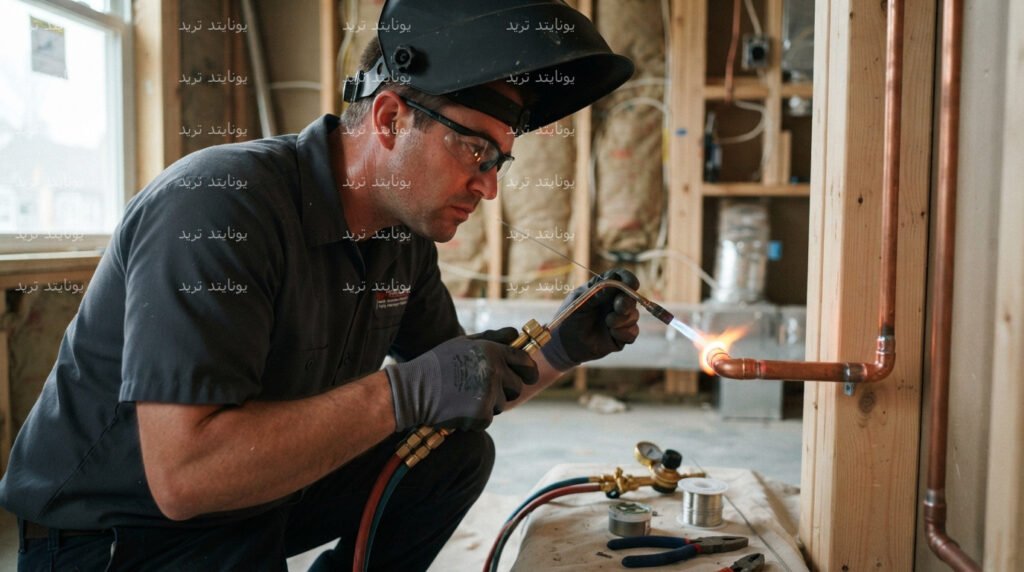
It is a process Air conditioning duct extension The step that most affects the lifespan of the air conditioner and its overall performance efficiency, as ideal cooling depends on the integrity of the Freon gas path between the indoor and outdoor units. The precise construction of these copper paths prevents future leaks and ensures smooth flow that increases cooling quality and reduces operational burden on the compressor. In this content, we will discuss the engineering standards and practical steps that professional technicians follow to ensure a long-lasting installation.
The effect of the quality of pipe insulation on energy consumption
Thermal insulation of copper pipes represents a necessary protective barrier that prevents the phenomenon of moisture condensation, which in turn leads to damage to the decorations and walls surrounding the pipes. Technical data indicate that neglecting the quality of insulation or exposing it to a break increases electricity consumption by a percentage ranging between 25% to 40% As a result of constant compressor fatigue. Therefore, choosing high-density insulation materials and installing them tightly around copper pipes is a basic requirement to ensure temperature stability.
❓ The importance of effective thermal insulation
Effective thermal insulation prevents the transfer of external heat to the refrigerated Freon gas as it travels inside the pipes, keeping the gas cool until it reaches the indoor unit. Investing in high-quality insulation reduces heat loss and protects pipes from various climatic effects, which ensures the sustainability of cooling efficiency for many years without the need for frequent maintenance.
Engineering standards used in extending air conditioning ducts
It requires an operation Air conditioning duct extension Precise matching between copper pipe diameters and air conditioner capacity measured in British Thermal Units (BTU), to ensure pressure balance within the system. Certified technicians prohibit the practice of “manual reaming” of pipes because it weakens the thickness of the copper and creates weak spots that are prone to cracks, and instead uses copper bushings and high-quality silver solder to securely connect the parts together.
❓ Nitrogen pressure test steps
The nitrogen pressure test must be carried out for a period of no less than 24 hours A mandatory procedure to ensure that the network is sealed before covering it with structural finishes. This careful inspection helps detect the smallest leaks that are not visible to the naked eye, saving the homeowner from expensive repair costs that may appear after the painting and decoration work is completed.
The previous diagram shows the professional path adopted in implementing and establishing the copper network to ensure the safety of the extensions from any possible leakage.
Protect and secure extension paths inside walls
Copper piping should be run inside protective plastic piping (PVP) when installed inside walls or floors to provide mechanical protection against friction or structural stress. These plastic pipes ensure easy maintenance or replacement of copper pipes in the future without the need to break large areas of walls or floors, in addition to protecting the pipes from dust and moisture.
❓ Summary of technical standards for extension Technical standard Details Duration of pressure test 24 hours with nitrogen Increase in energy consumption due to poor insulation 25% - 40% Method of connecting pipes Silver welding and copper bushings Mechanical protection Protective plastic pipes (PVP) The table above summarizes the most important numbers and standards that must be taken into account to ensure professional implementation away from common errors that lead to a decline in cooling performance. Advantages and DisadvantagesFeatures: This system is completed by moving to the air conditioning installation stage according to engineering standards that ensure the units are securely installed and accurately balanced to avoid vibrations or improper water drainage. This step contributes to enhancing air intake and distributing it efficiently and homogeneously within the space, providing maximum comfort and reducing energy consumption. Increasing energy efficiency and reducing electricity bills. Extending the life of the compressor thanks to pressure balance. Protecting the structural structure from damage resulting from moisture condensation. Ease of future maintenance when using protected paths. Disadvantages: The construction of air conditioning piping requires the use of high-quality copper materials that conform to technical specifications, with the necessity of tight thermal insulation for each line to ensure no loss of coolness. This proper installation of pipes prevents moisture condensation and damage to the walls, which enhances the sustainability of the cooling system for many years without malfunctions. The maintenance phase of air conditioners is a vital part of ensuring the continuity of this high performance, as periodic checks of pipes and connections contribute to detecting any defect early before it worsens. Adhering to a preventive maintenance schedule not only protects cooling efficiency from decline, it also extends the operating life of the equipment and reduces energy consumption. Maintaining cooling efficiency requires applying the principles of extending air conditioning ducts with extreme precision, by choosing the appropriate geometric diameters and avoiding sharp bends that impede the movement of the refrigerant medium. The tight thermal insulation of these lines also contributes to protecting the compressor from stress and reducing waste of electrical energy consumption in the long term. The process of installing air conditioning ducts requires choosing copper materials with international standard thicknesses and specifications, taking into account the tight thermal insulation of each path to prevent condensation and damage to the walls. The success of this establishment is also based on the accuracy of the welds and avoiding sharp bends that may impede the movement of the refrigerant, which maintains the system’s pressure and stable performance. The emitted air, however, maintaining this efficiency requires periodic air conditioning maintenance to early detect any decline in pressures or accumulation of deposits inside vital parts. This regular follow-up ensures that filters are cleaned and refrigerant levels are accurately checked, protecting the compressor from stress and extending the life of the entire system. This proper establishment is not complete without developing a periodic plan that includes maintenance of air conditioners, to ensure that the circuits are free of impurities and to monitor Freon pressure continuously. Adherence to these preventive measures prevents sudden malfunctions and maintains stable cooling for as long as possible. Completing this system requires following precise engineering standards when installing the air conditioning, starting with tightly installing the two units and carefully emptying the air from the copper circuits. This procedure ensures that annoying vibrations are avoided and proper cooling pressure is maintained, giving you stable operating efficiency and balanced energy consumption in the long term. The construction of air conditioning piping requires the use of high-quality copper materials that are resistant to high pressure, taking into account complete thermal insulation of each individual line to avoid moisture condensation. Extension paths should also be implemented with great care away from electrical intersections, to ensure the sustainability of the system and avoid any operational malfunctions that may appear in the long term. The next stage requires precise procedures based on installing the air conditioning according to strict technical standards, to ensure that the units are balanced and securely installed to avoid any annoying vibrations during operation. Proper installation of all electrical connections and drain pipes helps protect the system from sudden malfunctions, giving you a stable cooling experience and optimal power consumption in the long run. The cost of professional installation may be higher initially. Requires trained labor and precision tools to ensure there are no leaks. Needs enough space inside the walls to pass the protection pipes. Editor's Verdict and Final Rating
Our final assessment of this process is: 9.6/10Where quality is considered Air conditioning duct extension A long-term investment that cannot be neglected. We always recommend relying on reliable parties that use original materials and adhere to strict pressure tests, because the end result is sustainable and comfortable cooling that eliminates the problems of frequent maintenance.
Frequently asked questions
❓ What are the risks of extending air conditioning ducts without thermal insulation?
Uninsulated pipes cause moisture perspiration that leads to damage to paints and walls, in addition to a significant loss in cooling efficiency and a significant increase in electricity consumption.
❓ Can copper pipes be manually expanded to connect them?
Manual expansion is not recommended at all because it weakens the thickness of the copper. It is preferable to use copper connections (sockets) soldered with silver solder to ensure that leaks do not occur later.
❓ How long should a nitrogen pressure test last?
The nitrogen pressure test must continue for a minimum of 24 hours To ensure complete verification that the network is free of any minute leaks before closing it.
❓ Why are plastic pipes used to protect pipes?
It is used to protect copper pipes from mechanical stress, and facilitate future maintenance without the need to completely break down walls or floors.
❓ Does the length of the piping path affect the efficiency of air conditioning?
Yes, excessive duct length affects cooling efficiency, so you must adhere to the extension length recommended by the air conditioner manufacturer to ensure the compressor works efficiently.
The quality of the foundation and materials used Air conditioning duct extension The basic foundation for strong and sustainable cooling performance, so always be sure to choose reliable technical expertise. Start today by planning well the air conditioning routes in your home to ensure complete comfort and avoid any sudden malfunctions in the future.
















Community dialogue
0 comments