
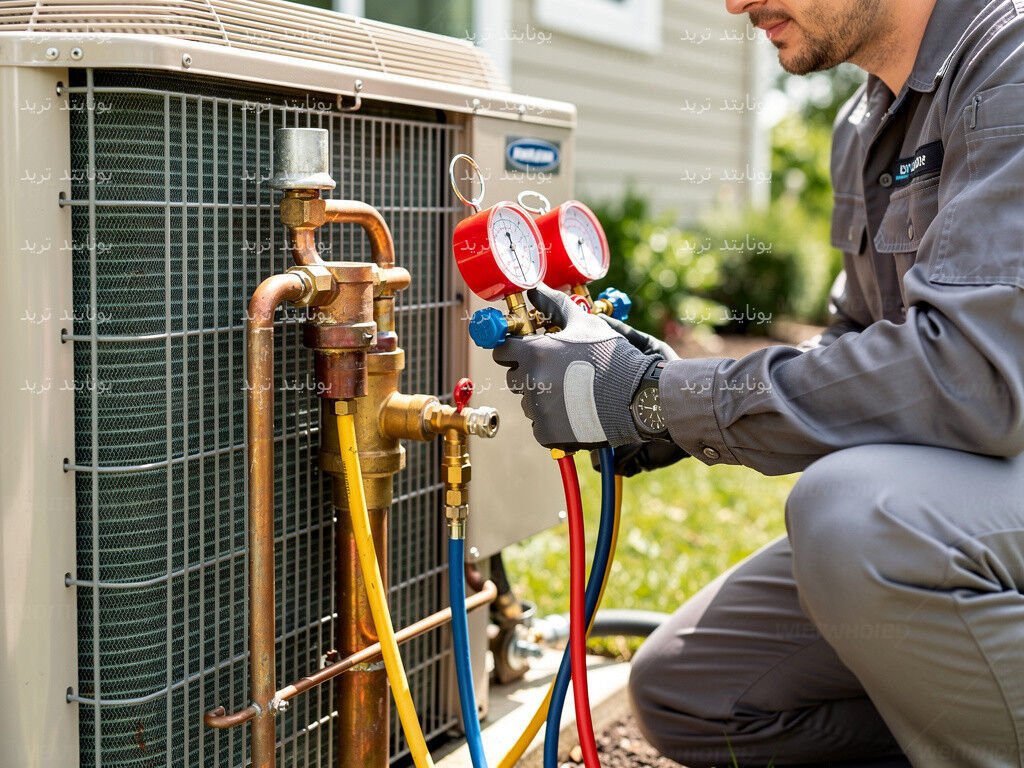
require Air conditioning maintenance Homes and companies provide periodic intervention to reduce electricity bills and protect the mechanical compressor from premature damage during periods of heavy use. This technical guide helps you understand the causes of cooling failure, diagnose operational problems yourself, and know when a professional technician is needed. You will gain precise applied knowledge that will enable you to maintain the purity of the air inside your room and ensure efficient heat exchange for many years without sudden interruptions.
Quick answer
Air conditioning maintenance Air is a series of periodic technical checks that include cleaning the filters and evaporator, balancing the refrigerant, and checking the electrical current consumption of the compressor to ensure the highest air flow. These steps contribute to restoring cooling efficiency by up to 25% and reduce sudden electrical failures. Surface cleaning is recommended to be carried out monthly while a comprehensive technical inspection requires semi-annual implementation by a specialist.
The importance of performing regular air conditioning maintenance before peak seasons
Represent Air conditioning maintenance Homes are the mainstay to prevent electric motors from burning out as a result of the accumulation of heat stress during the hot summer months. In addition, the accumulation of fine dust on the aluminum fins hinders the heat from being expelled from the room, forcing the compressor to work for hours on end. As a result, energy consumption increases by about 30% above normal rates, with a noticeable decrease in the required cooling temperatures.
Furthermore, preventative measures protect indoor air quality from the spread of fungi and bacteria accumulated in wet drains. For example, clogged condensation ducts cause water to leak into the walls and damage the paint surrounding the indoor unit. Therefore, early intervention is an effective way to avoid the costs of emergency repairs and the purchase of expensive, budget-consuming spare parts.
The basic components subject to technical inspection within cooling systems
Inspections focus on three critical parts that control the Freon gas cycle and cold air pumping efficiency. It should be noted that neglecting any of these components immediately affects the overall performance of the entire mechanical system.
Indoor unit fan and condensation drain pan
The air blower fan, or what is technically known as a blower, circulates the air through the cooling coils around the room smoothly. In contrast, the accumulation of dust on the fan blades leads to their unbalanced weight and the appearance of annoying vibrations with a severe decrease in airflow. Furthermore, the drain pan needs to be periodically disinfected with antibacterial solutions to ensure water flows without clogging the external hose holes.
External condenser and heat dissipation fins
External condenser: It is the component responsible for expelling the absorbed heat from inside the room to the outside atmosphere via the cooling medium. Therefore, exposure of this unit to direct weather elements makes it susceptible to clogging with dust and airborne impurities. It should be noted that cleaning these fins with regulated pressure water pumps restores the compressor's operational efficiency and protects it from sudden thermal disconnection.
Step by step steps to maintain filters and disinfect the evaporator
Cleaning household filters requires a structured sequence that prevents water mist from reaching sensitive electronic boards. This weekly or monthly procedure provides instant cooling efficiency at virtually no cost.
- Disconnect the electrical breaker feeding the air conditioner from the main panel to ensure complete safety while working.
- Carefully open the plastic cover of the indoor unit and pull the dust filters downward without bending them.
- Wash the filters with lukewarm running water and use a soft brush to remove any stuck-on dust, then let them dry completely in the shade.
- Spray a dedicated cooling coil cleaning spray over the evaporator fins and leave it for ten minutes to penetrate and remove greasy deposits.
- Reinstall the clean filters and close the outer cover tightly at least ten minutes before turning the power back on.
Comparison of patterns of preventive examination and therapeutic repair
The following table shows the fundamental differences between adopting a continuous and scheduled monitoring pattern and waiting until the devices completely fail to determine the optimal option, economically and operationally.
| Comparison element | Scheduled preventive examination | Emergency therapeutic intervention |
|---|---|---|
| Electricity efficiency | Maintains the approved economic rate | Consumption increases by 20% to 35%. |
| Cost of spare parts | Low and limited to minor consumables | Very high as a result of the combustion of major components such as the compressor |
| Default device lifetime | It lasts from 10 to 15 years with stable efficiency | The operational life is reduced to less than 6 years |
| Cooling system readiness | Always ready during severe heat waves | Sudden and frequent stopping at times of peak need |
Signs that indicate a Freon gas leak and a throttled cycle
Coolant leakage appears through clear physical and acoustic indicators that any user can easily notice before the malfunction worsens. In other words, Freon gas does not run out on its own with use, but rather decreases only as a result of a hole or break in the copper pipe network.
Knowledge of sound engineering standards when... New air conditioning installationMaintaining the efficiency and lifespan of the device begins with the correct selection of the location of the internal and external units. Precise adjustment of the copper piping network and water drainage path ensures smooth air flow, avoiding leaks and complex malfunctions in the future.
Realizing the importance of the quality of the cooling system infrastructure, as it represents Establishing copper pipes With correct engineering standards, the first line of defense against refrigerant leakage and decreased flow efficiency. Choosing the appropriate diameters and insulating them well also contributes to preventing moisture condensation inside the walls and reducing the excessive load on the compressor for many years.
Maintaining operational efficiency actually starts at one step Installing air conditioning ducts Sound, as the tight insulation stages ensure the protection of the cooling network from internal thermal condensation. Meticulous inspection and pressure testing of the copper before sealing the walls also helps avoid refrigerant leakage, which protects the compressor from continued stress in the long term.
Maintaining cooling efficiency requires regular inspection of filters and water drain paths to avoid buildup of impurities that restrict airflow and stress the engine. You can start in steps Detect air conditioning malfunctions Simple things like cleaning the filters and making sure the thermostat responds before resorting to a maintenance technician. This initial check helps restore optimal cooling and extend the life of your unit with minimal effort.
Knowledge of sound engineering standards starting from the foundation stage, where required Air conditioning installation New: Choosing the appropriate location for the internal and external units and carefully adjusting the water drainage paths and copper connections to avoid refrigerant gas leakage. This secure installation ensures maximum efficient airflow and avoids mechanical vibrations that may shorten the system's operational life.
Realizing the importance of quality Establishing copper pipes And its proper thermal insulation from the beginning, as it represents the vital artery for the flow of cooling medium between the internal and external units. Any defect in the diameters of the pipes or their extension paths directly affects the efficiency of heat exchange and doubles the mechanical effort on the compressor.
Realizing the seriousness of mistakes committed while carrying out work Establishing copper pipes Designed for Freon lines, as choosing inappropriate diameters or neglecting the quality of thermal insulation leads to coolant leakage and unnecessary engine stress. Proper engineering practices in extending this network ensure a smooth flow of the refrigerant, which increases the efficiency of heat exchange and prevents the formation of moisture inside the walls.
- There are layers of white ice on the outdoor copper pipes connected to the outdoor unit valves.
- Warm or lukewarm air coming from the air conditioning outlet even though the control unit is set to low temperatures.
- A soft whistling or continuous buzzing sound near the brass connecting valves or around the internal evaporator elbow.
- The compressor motor continues to rotate without stopping while the external unit body temperature rises unusually.
- Light oil spots appear around the connection points of the pipes, as lubricating oil comes out accompanying the leaking refrigerant gas.
Standards for examining electrical circuits and home thermostats
Maintenance of central and split air conditioners involves measuring the current drawn with an ampere meter and comparing it to the nominal data recorded on the unit's chassis. In addition, the compressor's starting capacitor, technically known as the capacitor, must be checked to ensure that it is not swollen or its microfarad capacitance has decreased. As a result, regular electrical inspection ensures that connecting cables are protected from meltdowns and prevent any short circuits inside the building.
Realizing the correct steps that start from one stage Air conditioning installation The air is in accordance with the correct engineering standards, as the tight installation of the internal and external units ensures an ideal flow of refrigerant gas and avoids vibrations that cause malfunctions. Adjusting the water drainage angles and choosing the appropriate location away from direct heat sources also contributes to increasing the cooling efficiency and prolonging the life of the device.
On the other hand, the thermostat, called the thermostat, plays the role of a smart controller that regulates the engine start and stop periods to match the room temperature. Therefore, dust accumulation on the temperature sensors sends misleading readings that prevent the device from cooling properly. In addition, the tightness of the copper wires to the main electronic board should be checked to avoid electrical fluctuation that may damage the device's microprocessor.
Frequently asked questions
What is the ideal period for air conditioning maintenance?
Household filters should be cleaned every two weeks to a month during seasons of heavy daily operation. On the other hand, a comprehensive inspection of the cooling system and measurement of gas pressures requires specialized intervention twice a year, specifically at the beginning of the spring and fall seasons.
How do I know that the air conditioner needs to charge Freon?
You notice a clear weakness in the flow of cold air with the accumulation of frost or snow on the thin copper pipe in the outdoor unit. Moreover, the compressor continues to operate for long hours without reaching the temperature set in the control unit.
Can the outdoor unit be cleaned directly with water?
Yes, the external condenser can be washed with running water provided that the power is completely disconnected and the water is not directed towards the connection box and wires. In addition, be careful not to use excessively high water pressure that may bend the delicate aluminum fins.
Why does the air conditioner emit a bad smell when it starts up?
This odor is often due to the growth of fungi and mold within the stagnant water collection pan and damp evaporator fabric. Therefore, this matter is addressed by cleaning the filters and disinfecting the drain duct with disinfectant materials designated for air conditioning systems.
What causes water drops to fall from the indoor unit inside the room?
Water dripping is most likely caused by the drain hose being clogged with dirt or by the indoor unit scale tilting during installation. In addition, a lack of refrigerant may cause ice to form on the evaporator that melts in quantities that exceed the capacity of the drain pan.
Your next steps to maintain the cooling system
Continuing to maintain your home air conditioners represents a proactive investment that gives you clean air and significantly reduces monthly operating costs. Start today by inspecting the air filters and their cleanliness, and do not hesitate to schedule a comprehensive technical inspection before the temperatures rise to ensure that your appliances operate at the highest levels of efficiency and safety.
















Community dialogue
0 comments