
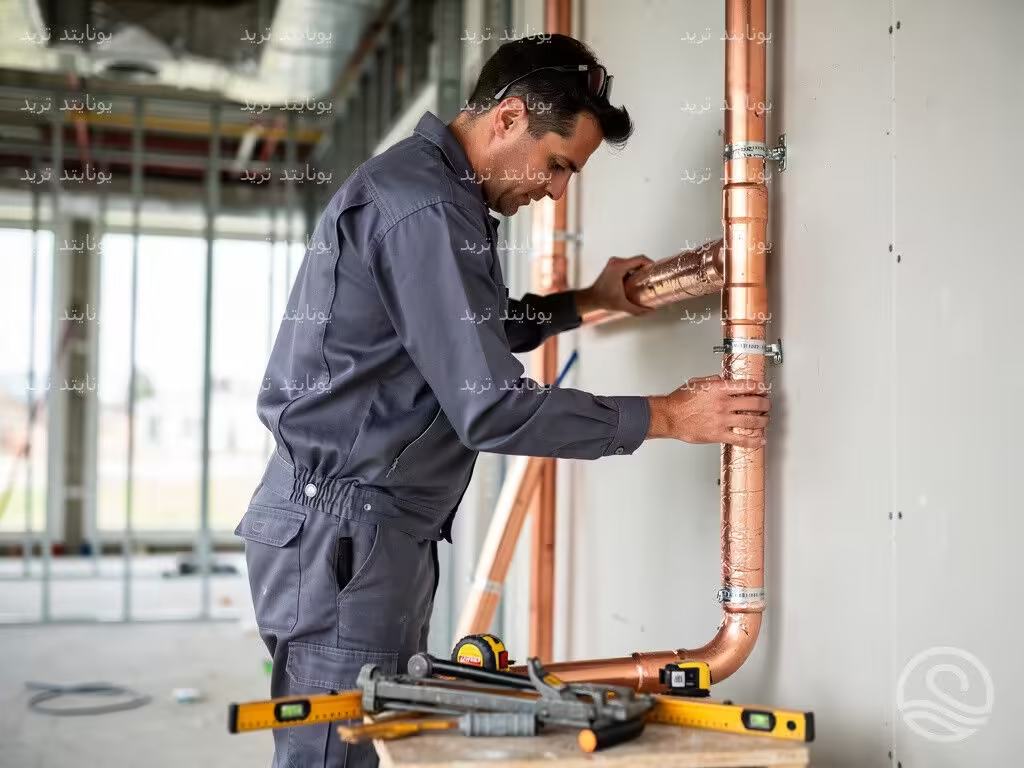
Extending air conditioning ducts represents an essential step in the process Architectural equipment Interior finishing of any modern residential or commercial building. The life of the compressor and the efficiency of electricity consumption directly depend on the integrity of these connections and the consistency of their diameters. This article provides a reliable application guide that shows you the engineering standards needed to establish copper paths and avoid common leakage errors to ensure superior and sustainable cooling.
Quick answer
Extending air conditioning ducts is a technical procedure that consists of installing and passing a network of insulated copper pipes between the internal and external units to transfer the refrigerant with balanced efficiency. This procedure requires the use of specific diameters that suit the device's horsepower capacity, adherence to tight thermal insulation, and testing the line with pressurized nitrogen to prevent leakage and ensure a smooth flow of Freon gas without straining the engine.
What is the importance of extending air conditioning pipes in a professional manner?
Proper air conditioning ducting protects the mechanical circuit from the dangers of low pressure and rapid loss of cooling. Random connections cause lubricating oil to be trapped in the curved paths, causing premature compressor wear. In addition, reducing the number of welds in long lines enhances the durability of the network against sustained operating vibrations over the long term.
Moreover, checking the thickness of the copper wall and its approved quality contributes to preventing rust and oxidation reactions resulting from ambient humidity. Field experiences indicate that most intractable air conditioning malfunctions are due to the technician being lax in protecting the pipes during concrete pouring or preliminary construction work. Therefore, investing in careful implementation saves expensive maintenance costs in the future.
Engineering standards for choosing diameters and thicknesses of air conditioning copper
The pipe diameters selected are based on the rated cooling capacity of the device to ensure that a suitable velocity of the refrigerant is maintained. For example, 1.5 HP machines often need a half-inch diameter intake line and a quarter-inch diameter ejection line. It should be noted that any reduction in the diameter of the intake line increases the thermal load on the compressor in a serious and direct way.
In contrast, the thickness of the metal wall affects the pipe's ability to withstand the pressures of modern Freon gas such as R410A or high-pressure R32. Experts always recommend using thick-walled pipes that comply with ASTM B280. The following table helps you understand the standard correspondence between device capacitances and copper track dimensions:
| Air conditioner capacity (hp) | Liquid/ejection line diameter | Gas/suction line diameter | Standard copper thickness |
|---|---|---|---|
| 1.5 hp | 1/4 inch | 3/8 or 1/2 inch | 0.70mm to 0.81mm |
| 2.25 hp | 1/4 inch | 1/2 inch | 0.81 mm |
| 3 hp | 3/8 inch | 5/8 inch | 0.81mm to 0.89mm |
| 5 hp | 3/8 inch | 3/4 inch | 0.89mm to 1.00mm |
Steps to implement the extension of air conditioning ducts, step by stage
Proper foundation work begins with planning the shortest possible path between the location of the indoor unit and the exterior surface or facade. This advance planning helps avoid sharp bends that impede gas movement and raise temperatures inside the system. You can follow the following ordered steps to ensure results free of structural and mechanical defects:
- Determine the paths precisely and open the wall ducts away from the load-bearing concrete columns and beams to avoid weakening the structural structure.
- Straighten the copper coil using specialized mechanical bending tools to prevent any loosening or narrowing of the inner diameter of the tube.
- Each copper line is inserted into an independent thermal insulator made of closed-cell rubber foam to completely prevent water condensation.
- Fix the control and electrical supply wires next to the pipes using sturdy mounting straps inside protective plastic pipes.
- Close the ends of the pipes tightly with welding or copper plates to prevent the entry of dust and rainwater during construction periods.
Best thermal insulation practices to protect the cooling path
Good thermal insulation prevents dew drops from forming on the interior walls of the house and permanently damaging paint and suspended plaster. Placing the intake line and the exhaust line within one common insulator should never be avoided, as this transfers heat between the two lines and spoils the dynamic cooling cycle. As a result, air conditioner performance decreases and compressor operating hours increase without significant benefit.
In addition, Armor Tape plays a vital role in protecting the foam insulators from corrosion caused by the sun's ultraviolet rays in exposed tracks. Always use insulators with a thickness of at least nine millimeters in hot areas to reduce cold loss. It should be noted that the continuity of the insulation layer at the connection points completely eliminates harmful thermal bridges.
Procedures for checking pressure and emptying air from the network
Pressure testing with dry nitrogen gas is the crucial step to ensure that the welded system is free of any microscopic holes. The lines are pressurized to 400 to 500 pounds per square inch (PSI) and left under monitoring for 24 hours at a time. If the pressure gauge indicator remains constant, this provides conclusive evidence of the quality of the connections and their readiness for safe operation.
The subsequent stage of preparing the piping network requires following a precise protocol Air conditioning installation To ensure tight circuit insulation and avoid Freon leakage. This includes installing the indoor and outdoor units in the correct geometric alignment to ensure the drainage of condensation water and the efficient distribution of air throughout the space.
Requires work to be carried out Installing air conditioning ducts Careful planning of the paths before pouring concrete or starting plastering work, in order to avoid random crushing that may harm the structural structure. You should also make sure to use high-quality insulating pipes that prevent condensation and ensure easy retraction of the copper lines and their long-term protection.
The final stage after preparing the tracks requires the implementation of an operation Air conditioning installation With extreme precision to ensure that the internal and external units are installed according to sound engineering tendencies. This careful procedure helps prevent refrigerant leakage and avoids water drainage problems, maintaining peak system performance.
The efficiency of the system does not depend only on the quality of the initial establishment, but its sustainability is linked to a regular schedule for action Regular air conditioning maintenance Protects mechanical components from corrosion and deposit build-up. This continuous check ensures that any premature refrigerant leakage is addressed and pressure rates within the network are adjusted to maintain maximum cooling efficiency.
An efficient engineering foundation is not complete without a procedure Seasonal inspection of cooling devices Periodically, to ensure the system’s resilience to peak summer consumption. This preventive measure contributes to the early detection of mechanical and electrical faults before they escalate, which prevents sudden stoppage of the compressor and maintains the continuity of cold air flow at the highest efficiency.
Once you have completed the geometric establishment of the paths, they become... Regular air conditioning maintenance It is an imperative necessity to ensure sustainable performance and prevent dust accumulation inside the heat exchange units. Adhering to a careful technical inspection schedule effectively contributes to detecting refrigerant gas leaks early, which extends the life of the system and maintains the air quality inside your spaces.
Requires work to be carried out Establishing cooling pipes Advance planning ensures that the shortest paths are chosen to avoid sharp bends that impede the flow of the refrigerant. It is also necessary to insulate the pipes with high-density materials to protect them from thermal condensation and damage to the surrounding walls in the long term.
Maintenance of modern building air conditioners requires periodic monitoring of the cooling system to ensure that Freon gas does not leak due to corrosion of copper connections over time. Sticking to a regular schedule is... Inspecting and disinfecting tracks Pneumatic prevents the accumulation of dust that may cause blockage of the pipes and lead to sudden damage to the compressor. This preventive approach extends the life of the devices and maintains optimal cooling levels all year round.
Requires work Establishing pipes Carefully plan the paths before pouring concrete or starting plastering work, to avoid sharp bends that may impede the flow of the cooling medium. This also requires choosing approved copper materials of sufficient thickness and protected by tight thermal insulators that protect against condensation and moisture leakage into the walls.
Furthermore, the Vacuum stage uses a specialized suction pump to remove air and moisture trapped inside the tracks. The presence of moisture inside the cooling circuit leads to the formation of harmful acids that react with the cooling oil and cause the motor's electrical coils to burn. Therefore, vacuuming the air to a level of 500 microns is an indispensable criterion before opening the gas valves.
The subsequent stage of preparing the piping network requires extreme precision in installing the units and matching the operating pressures to ensure the smooth flow of the refrigerant. The implementation of the steps Air conditioning installation In accordance with technical principles, it protects the system from premature Freon leaks and ensures the highest possible cooling efficiency for the targeted area.
Common mistakes to avoid while extending pipes
Manually bending pipes without using an external bending spring or hydraulic machine causes dents that choke off the flow of refrigerant. These dents usually appear in sharp, invisible corners behind walls, causing a sudden and unjustified increase in operating pressure. Frequent errors also include:
- Neglecting the oil trap in ascending vertical lines whose height exceeds five meters, which prevents the return of oil to the compressor.
- Using poor insulators that break down quickly when exposed to weather fluctuations and high temperatures, causing water to drip on the ceilings.
- Welding without a continuous flow of inert nitrogen gas, which leads to the formation of a black carbon oxidation layer that blocks the micro expansion valve.
- Exceeding the maximum extension lengths stated by the manufacturer without adding exact supplemental amounts of Freon.
Frequently asked questions
What is the maximum length allowed when extending air conditioning ducts?
The maximum length depends on the capacity and type of the device, and the permissible distance usually ranges between 15 and 25 meters in wall split air conditioners. If the length exceeds the standard limit, additional refrigerant and lubricating oil must be added according to the factory's calculations with great accuracy.
Can air conditioning ducts be extended inside concrete floors?
Yes, it can be extended provided it is placed inside rigid protective pipes (PVC) to prevent the copper from being subjected to any direct stress during concreting and to facilitate future replacement work. The line must also be pre-tested before closing the floors to fully ensure the integrity of the pipe network and that there are no hidden leaks.
Why is the intake line isolated separately from the ejection line?
Each line is isolated individually because each path carries the refrigerant at a completely different temperature and pressure than the other. Insulating the two lines together in a common housing leads to unwanted heat exchange, which significantly reduces the efficiency of the cooling cycle and exhausts the internal engine parts.
When should an oil trap be installed in the copper network?
An oil trap should be made every 5 to 7 meters if the outdoor unit is much higher than the indoor unit in the vertical path. The function of this trap is to collect oil mist and return it with the flowing gas stream to lubricate the mechanical pistons and avoid compressor burnout due to lack of lubrication.
How do I know if there is a leak after the extension work is completed?
Leakage is detected by checking the nitrogen pressure and monitoring the stability of the indicator, or by using specialized soap suds and fine electronic halogen detectors. A drop in pressure after 24 hours inevitably means there is a hole or a loose connection that requires immediate treatment before completing the finishes.
Extending your air conditioning ducts represents an engineering investment that directly translates into your home's stability, quietness, and lower monthly energy bills. Always make sure to apply professional standards and choose approved copper materials with effective insulation to ensure pure cooling that lasts for many years. Start planning your routes with trusted professionals for a comfortable and safe indoor environment.
















TQTAG76 Community dialogue
0 comments