
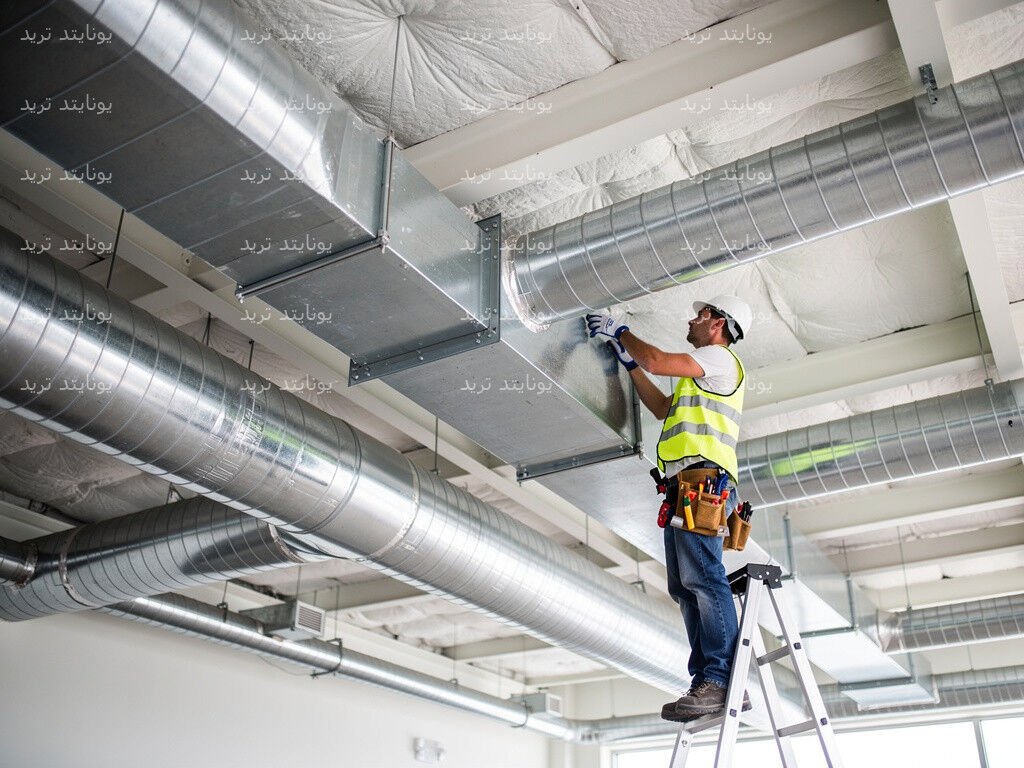
Extending the air conditioning ducts represents the basic foundation for ensuring that the cooling system operates with stable operational efficiency throughout the year. This precise engineering work requires taking into account the diameters of the copper pipes and determining the most appropriate paths to avoid loss of refrigerant pressure. This article explains the technical foundations for choosing ideal materials, thermal insulation rules, and the testing stages necessary to completely prevent future leaks.
What is the correct basis for extending Freon lines?
Extending air conditioning ducts is the process of installing and insulating the copper network connecting the indoor and outdoor units according to specific measurements and diameters. Proper expansion ensures refrigerant flow without stressing the compressor, provided that sharp bends do not exceed permissible limits and original copper tubes insulated with elastomer must be used.
The importance of engineering planning before extending air conditioning ducts
Pre-planning of the cooling path prevents a sudden drop in hydraulic pressure within the mechanical cycle. Therefore, the experienced technician begins by drawing the shortest possible path between the location of the indoor unit and the location of the outdoor condenser to reduce heat loss. In addition, determining the locations of concrete openings early helps protect the building's structural structure from random cracking.
These foundational equipment are integrated directly into steps Air conditioning installation The air is in accordance with sound technical standards, as the tight installation of the internal and external units ensures ideal air flow without annoying vibrations. Balancing Freon gas pressures and precise electrical connections also contribute to protecting the compressor and extending its life to the maximum extent.
Cooling efficiency is directly affected by the length of the total path of the pipe network. As a result, air conditioner manufacturers specify specific maximum lengths of intake and exhaust lines that may not be exceeded without compensating Freon charges. Furthermore, every vertical height exceeding five meters requires a mechanical oil trap to ensure that the lubricating oil returns to the compressor regularly.
These steps begin with pre-planning the duct and drainage paths inside the walls and ceilings before the final finishing work. Guaranteed Installing air conditioning ducts According to construction standards, it protects the Freon lines from mechanical damage, and facilitates future maintenance operations without the need to break the surfaces.
The efficiency of the extensions is completed by applying a periodic program that focuses on... Air conditioning maintenance Air, as regular inspection contributes to detecting Freon gas leaks and cleaning filters and condensers to ensure smooth air flow. This preventive measure preserves compressor life and reduces electrical energy consumption under high temperatures.
The quality of the establishment is not complete without commitment to a periodic program that focuses on: Refrigeration air conditioning maintenanceContinuous inspection of mechanical parts and airflow ensures that the system is protected from sudden shutdowns during peak summer use. Regular cleaning of filters and monitoring of compressor efficiency also contribute to maintaining controlled electrical energy consumption rates.
requires Installing air conditioning ducts In the first construction stages, great care was given to the drainage paths and the installation of copper lines according to precise engineering inclinations. This advance planning contributes to protecting the decorations from breakage later and prevents the return of unpleasant odors or the occurrence of water leaks that may harm the air quality and interior finishes.
These steps begin with pre-planning the wall extension route before the finishing work, as it requires a stage Installing air conditioning ducts Extreme precision in locating the openings and inclines to avoid any sharp bends that hinder the flow of Freon. Tight fitting of the pipes within the designated ducts also ensures their protection from mechanical damage and facilitates future maintenance of the indoor and outdoor units.
The efficiency of the extensions is completed by applying a periodic program that includes: Air conditioning maintenance Air, as continuous checking of refrigerant gas levels and filter cleanliness helps avoid sudden malfunctions. This preventive measure ensures that the life of the cooling units is extended and energy consumption is kept to a minimum.
The efficiency of extensions is completed by adherence to periodic service plans Air conditioning maintenance Air, where regular checks of gas pressure and the integrity of copper lines contribute to avoiding blockages or premature leaks. Cleaning the evaporator and condenser also ensures that energy consumption is maintained within its normal levels, which extends the lifespan of the refrigeration units and avoids sudden system malfunctions.
The quality of copper wiring is directly integrated into the step Air conditioning installation Air is supplied according to proper manufacturing standards to ensure stable refrigerant gas flow. This includes meticulously installing the indoor and outdoor units and performing vacuum tests to ensure the circuit is free of moisture or leaks. This implementation precision reflects positively on the lifespan of the system and significantly reduces electrical energy consumption rates.
These steps begin with careful field planning to determine burial paths and prepare walls and ceilings before final finishing work. It is guaranteed Installing air conditioning ducts In accordance with sound construction standards, protecting the Freon lines from mechanical damage and avoiding the occurrence of any bottlenecks that affect the flow of gas.
These foundational equipments are integrated directly into the stage Air conditioning installation According to approved engineering standards to ensure the stability of the internal and external units. Proper installation is based on balancing the weights, tightening the electrical and mechanical connections, and emptying the air from the circuit to avoid any leakage that may harm the compressor in the future.
The following diagram shows the sequential stages followed in implementing the paths and testing them in the field:
















Community dialogue
0 comments