
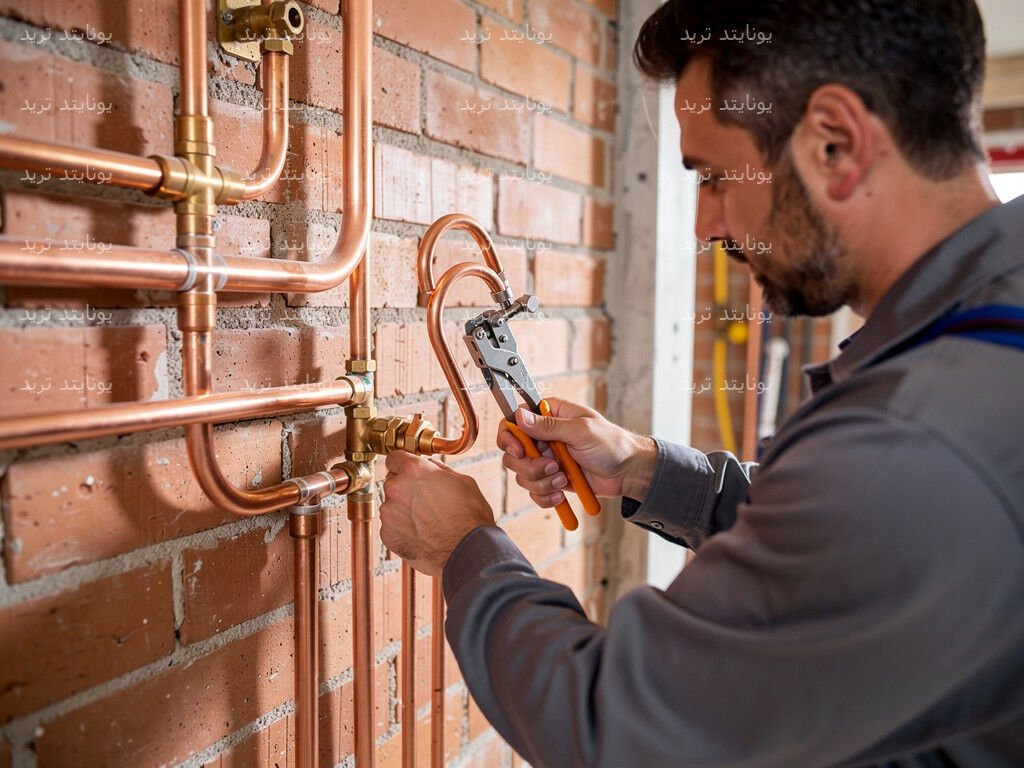
Pre-planning of cooling networks is an essential pillar to ensure occupant comfort and avoid costly breakdowns after interior finishes and decorations are completed. Helps implement Establishing pipes The air conditioning is engineered correctly to protect the Freon network from leaks and ensure the highest rates of cold air flow with balanced efficiency. This guide reviews basic field controls for material selection, line insulation, and pressure testing before sealing walls.
Quick answer
Establishing pipes Air conditioning is preparing the paths of copper lines, electricity cables, and water drains inside the walls or ceilings before the final finishing stage. This engineering procedure is characterized by protecting the system from the dangers of refrigerant gas smuggling and preserving the internal aesthetic appearance of the buildings without distorting the walls.
The ideal timing to start wall cooling network work
Field preparation of the cooling networks begins immediately after the completion of the wall construction phase and before the final conservatory, electrical and plumbing works are carried out. This technical timing allows the work team to determine the paths with complete accuracy and avoid any structural conflict with sewerage networks or public electricity extensions. Consequently, early coordination saves costs for later modification and prevents cracking of completed walls.
This stage also requires inspecting the locations of the structural loads very carefully. For example, drilling into concrete columns or fallen beams is prohibited during preparation to protect the structural integrity of the building. Furthermore, this timing facilitates the placement of indoor units in accordance with future furniture distribution and natural air movement paths.
Technical criteria for selecting approved copper ores
The stability of refrigeration cycle performance directly depends on the quality of the connecting pipes and their resistance to the high pressures of modern refrigerants. Thick-walled copper pipes such as L Series or K Series have an exceptional ability to withstand mechanical vibration and temperature fluctuations within residential and commercial buildings. As a result, the pipes are less likely to crack under the influence of repeated gas expansion and contraction.
On the other hand, using low-thickness commercial copper leads to Freon leaks and compressor damage in the medium term. Therefore, experts recommend checking the pipe diameters and their exact compliance with the requirements of the air conditioning unit manufacturer. This includes carefully selecting the intake line and liquid line sizes to achieve proper hydraulic balance for the refrigeration cycle.
Steps for preparing architectural burial paths for pipes
The stage of constructing extension paths requires following engineering procedures that ensure the stability of the pipes and not being exposed to external pressure from building materials. The following table shows the approved standard specifications for basic equipment elements in residential architectural projects:
| Foundation element | Required standard specifications | Direct technical goal |
|---|---|---|
| Copper pipes | Minimum thickness of 0.032 inches 99.9% pure | Withstand Freon gas pressure and prevent chemical corrosion |
| Thermal insulation | Closed-cell foam insulation with a thickness of at least 13 mm | Prevent surface water condensation and loss of thermal energy |
| Drainage pipes | High-density plastic, 1 inch diameter, with a slope of at least 1%. | Condensation water drains smoothly and avoids clogging |
| Protection hoses | Shock-resistant flexible bushing to protect copper lines | Facilitating maintenance work and preventing contact with concrete |
| Electricity cables | Multi-ended insulated copper with a clip to accommodate the horsepower load | Transmit electrical currents safely and prevent overheating |
Principles of protecting copper networks from thermal condensation
Effective thermal insulation acts as a protective barrier that prevents moist air from coming into contact with cold pipes while the air conditioning system is operating. Each copper line should be coated with a completely separate and independent thermal insulator to ensure that no heat is transferred between the suction line and the liquid line. In addition, this double insulation prevents moisture spots and mold from appearing on the interior walls of the house.
It should be noted the importance of using high-quality mounting tapes to tightly seal the foam insulation joints. This measure protects the extension path from the penetration of warm air that causes hidden moisture condensation inside the wall cavity. Therefore, tight fit of the insulation layers is as important a step as the quality of the copper pipes themselves.
The importance of a nitrogen pressure test before conch
Nitrogen pressure testing is the critical procedure to verify the integrity of the welds and the absence of microscopic holes before covering the mesh with cement. The technical sequence to safely perform this test outlines the following steps:
The next stage requires great care in installing the internal and external units, adjusting the electrical connections, and insulating the pipes with extreme precision to avoid any energy waste. The implementation Air conditioning installation Professional efficiency ensures quiet operation of the system and protects the compressor from sudden malfunctions in the long term, providing a comfortable and stable indoor environment throughout peak periods.
- Welding the ends of copper pipes using tight fittings that are resistant to high gas pressures.
- Injecting the pipeline network with dry nitrogen gas to bring the internal pressure to approximately 300 to 400 pounds per square inch.
- Installing an accurate and reliable pressure gauge to monitor the indicator for a period of time of no less than 24 to 48 continuous hours.
- Check welding points and bends with leak detection soap to ensure they are free of gas bubbles.
- Installing a low safety pressure inside the pipes until the other structural finishing stages are completed.
This test ensures the integrity of the connections and gives the building owner complete confidence in the durability of concealed refrigerant lines. As a result, technicians detect any defect early and treat it easily without the need to break ceramics or paints later.
The efficiency of the cooling system does not stop at the limits of proper establishment only, but the sustainability of its performance requires action Regular air conditioning maintenance It keeps the filters clean and the compressor safe from sudden malfunctions. This regular monitoring contributes to adjusting the pressure of the refrigerant and rationalizing electricity consumption, which extends the lifespan of all system units.
The ideal cooling system does not stop at the quality of the initial installations only, but also extends to the application Home air conditioning maintenance plan Through periodic steps that ensure the sustainability of fresh air flow and reduce electricity consumption. This continuous care of the internal and external units helps maintain maximum cooling capacity and avoid sudden breakdowns at the height of summer.
To sustain this excellent operational performance after the completion of the foundation work, a plan must be implemented Regular air conditioning maintenance Regular preventive procedures are adopted to clean filters, check gas levels, and remove moisture. This regular monitoring contributes to reducing energy consumption and protecting the engine from thermal stress, ensuring fresh air flow and optimal and stable cooling throughout the intense summer months.
The next stage requires great care in adjusting the air paths and balancing the thermal loads for each room individually to avoid excessive pressure on the compressor. It ensures that the technical principles are followed Air conditioning installation Accurately distributes cooling evenly while reducing energy consumption to a minimum. Proper installation of indoor and outdoor units also contributes to reducing annoying vibrations and noise for the longest operational period.
The efficiency of the cooling system does not stop only at the structural preparation stage, but also extends to periodic technical follow-up that maintains the integrity of the compressor and the pressure level of the refrigerant in the pipes. Adherence to a regular schedule contributes to... Air conditioning maintenance The building helps avoid premature damage to the units and reduce energy consumption to a minimum, as well as ensuring the quality and purity of the air flowing into the interior spaces.
The quality of these extensions is not complete without commitment to specialized periodic programs that ensure... Building air conditioning maintenance Regularly, which maintains compressor efficiency and prevents sediment build-up inside drain lines and air paths. This continuous technical inspection contributes to early detection of any drop in refrigerant gas pressure and avoiding sudden malfunctions during periods of heavy use.
The final stage after the completion of the foundation work requires implementation Air conditioning installation According to precise technical standards to ensure that the internal and external units are securely installed. Proper installation and proper connection of insulators prevent annoying vibrations and avoid leakage of waste water or refrigerant gas, which maintains energy efficiency and extends the life of the system.
Requires implementation of Establishing cooling pipes Choose high-purity copper and carefully insulate it thermally to avoid moisture condensation inside the walls and false ceilings. Taking into account pipe diameters and water drainage paths also ensures the smooth flow of the Freon cycle and extends the lifespan of the air conditioning units.
Mistakes to avoid while installing air conditioning pipes
Some wrong practices cause the efficiency of cooling devices to be wasted and their operational life to be significantly reduced in the long term. The most common field errors include:
- Bend copper tubing by hand without using a dedicated mechanical bending tool to prevent compression of the inner diameter.
- Collecting the intake lines and the liquid inside one insulating jacket, causing a defect in the heat exchange of the refrigerant gas.
- Neglecting to provide a suitable inclination angle for water drainage pipes, which leads to water stagnation and bacterial growth.
- Leaving the ends of copper pipes open inside a construction site exposes them to the accumulation of dust, moisture and cement.
- Using electrical cables that do not meet specifications leads to voltage drops and poor compressor performance.
Frequently asked questions
What is the best time to start extending air conditioning pipes?
The most appropriate time is after the brickwork is completed and before the conch and electricity work begins. This timing allows tracks to be opened within walls and pipes installed safely and without conflicting with other foundation lines.
How do you ensure that the air conditioning ducts are properly installed before finishing?
This can be confirmed by injecting the pipes with nitrogen gas under high pressure for 24 hours and monitoring the stability of the meter. The stability of the indicator proves that there is no leakage at the welding points or holes in the pipe body.
Can two copper lines be placed inside one thermal insulator?
It is not geometrically permissible to combine two copper lines within one insulator because each line has a completely different temperature from the other. Combining them leads to negative heat exchange, which makes the device lose its efficiency and increases electrical energy consumption.
What is the appropriate diameter for buried air conditioning drain pipes?
The ideal diameter for buried downspouts is 1 inch of thick, high-quality plastic. This widening prevents the line from being clogged by dirt accumulation and allows condensation water to flow out completely smoothly.
Why is original copper preferred over commercial copper in foundation?
Genuine copper is characterized by its thick walls, free of impurities, and its high ability to withstand high refrigerant pressure. High quality brass resists corrosion and moisture over many years without leaking.
Does the length of the piping path affect cooling efficiency?
Yes, a piping run longer than the factory limit will result in lower gas pressure and additional stress on the compressor. It is always recommended to make the path as short as possible and with the least number of sharp geometric bends.
Next steps for your project
Careful planning of cooling networks represents a long-term engineering investment that ensures the efficiency of cooling equipment and saves unexpected maintenance expenses. Always make sure to use high thickness copper and pressure test the system with nitrogen before sealing the walls permanently. Start now to review your home plans with a professional technician to ensure completely safe and sound paths.
















Community dialogue
0 comments