
Technical comparison table for choosing appropriate copper diameters for different capacities
requires Establishing pipes Air conditioning requires an accurate understanding of the volumetric flow of refrigerant and return gas, as choosing a diameter that is not compatible with the capacity of the compressor leads to serious mechanical problems that shorten the life of the device and increase electrical energy consumption.
| The capacity of the air conditioner in horsepower | Diameter of suction line (gas) in inches | Liquid line diameter in inches | Recommended thickness of pipes in mm |
|---|---|---|---|
| 1.5 hp | 1/2 inch | 1/4 inch | 0.75mm to 0.81mm |
| 2.25 hp | 5/8 inch | 1/4 inch | 0.81mm to 0.89mm |
| 3 hp | 5/8 inch | 3/8 inch | 0.89 mm |
| 4 to 5 hp | 3/4 inch | 3/8 inch | 1.00 mm or more |
Engineering precautions to protect cooling extensions during architectural finishing works
Extensions are exposed to extreme risks during the subsequent construction phases, especially during plastering, plastering, and extending electrical and plumbing networks, which necessitates following a strict safety protocol to maintain the integrity of the copper and insulators.
Field protection measures against puncture and breakage
- Install the pipes inside the wall ducts at a depth of no less than 3 centimeters below the level of the final plaster to avoid decorative fixing screws.
- Cover exposed extensions on the floors with a light temporary cement mixture to prevent them from being run over by construction equipment and transport vehicles.
- Use thin metal protection sheets over the wall cracks through which the pipes pass before covering them with cement to prevent drill penetration in the future.
- Seal the ends of the copper pipes with tight welding, not with regular adhesive tapes, to prevent dust and moisture from leaking inside throughout the preparation period.
Instructions for maintaining accompanying condensate drain lines
- Thermal insulation of the PVC water drainage pipe inside the wall to prevent the phenomenon of surface condensation and deformation of room paints.
- Ensuring a natural hydraulic slope of at least one centimeter per linear meter towards the main drainage point.
- Avoid connecting the air conditioning drain directly to the sewage network without creating a water barrier to prevent unpleasant odors from refluxing into the residential space.
Check the system pressure with dry nitrogen gas before final shutdown
Pressure testing represents the final step in Establishing pipes Air conditioning to ensure that the network is free of any manufacturing defects or cracks resulting from bending and welding operations. This is done by filling the pipes with nitrogen gas free of oxygen and moisture to ensure complete chemical stability within the closed circuit.
The pressure is gradually raised until it reaches levels ranging from 350 to 500 pounds per square inch, depending on the type of refrigerant used. The system is left under this load for a period of no less than 24 to 48 continuous hours while monitoring the pressure gauge indicator. Any decrease in the reading after equalizing the temperature differences indicates the presence of a microscopic leak that must be treated immediately before completing the plastering and interior decoration operations.
represents Establishing pipes Air conditioning is an essential construction step that ensures the ideal performance of cooling devices and prevents architectural damage resulting from leakage of water or refrigerant. This practical guide provides everything the technician and property owner needs to understand the stages of the work, from choosing copper pipe diameters to performing final gas pressure tests. You will learn how to protect cooling line paths inside walls and avoid common mistakes during finishing.
Quick answer
Establishing air conditioning piping is an engineering process that includes digging wall paths and burying insulated copper lines with electrical control cables and water drainage pipes according to specific engineering tendencies. This measure ensures that the infrastructure is protected from moisture, and provides maximum operational efficiency for cooling devices by preventing Freon gas leakage and maintaining the purity of the refrigeration cycle for many years.
What is the importance of early preparation of cooling lines?
Proper foundation in the construction or renovation phase protects the home decorations from any future random cracking. Early planning helps choose places to place indoor and outdoor units very efficiently, which enhances air circulation in the rooms. Moreover, the considered procedure reduces the extension distances between the two units, which directly affects electricity consumption and extends the life of the compressor.
Buildings that lack preliminary organization are subject to visual distortions caused by hoses passing outside the walls. Therefore, pre-treatment of tracks provides a comfortable aesthetic appearance that maintains the property's market value. It should be noted that easy access to connection points significantly reduces regular maintenance costs throughout the life of the air conditioner.
The basic components of the air conditioning piping network
The integrated cooling network relies on an integrated system of elements that must be mechanically and electrically compatible to ensure safety. Installing air conditioning ducts requires the use of approved materials that resist corrosion and high temperatures within concrete walls and ceilings.
- Copper pipes: It consists of two lines of different diameters, one for intake and the other for expulsion, to transport the refrigerant compound between units.
- Ermalic insulation: High-density rubber foam material that prevents moisture condensation and limits heat loss.
- Electrical connection cables: Compressor voltage certified cables for accurate signal and electrical transmission.
- Downspouts: Three-quarter-inch rigid polymer hoses or pipes to transport condensation water out.
- Protective Adhesive Tape: Durable vinyl tape encases the entire package to protect it from scratches and construction work.
Steps to implement the installation of air conditioning pipes inside the walls
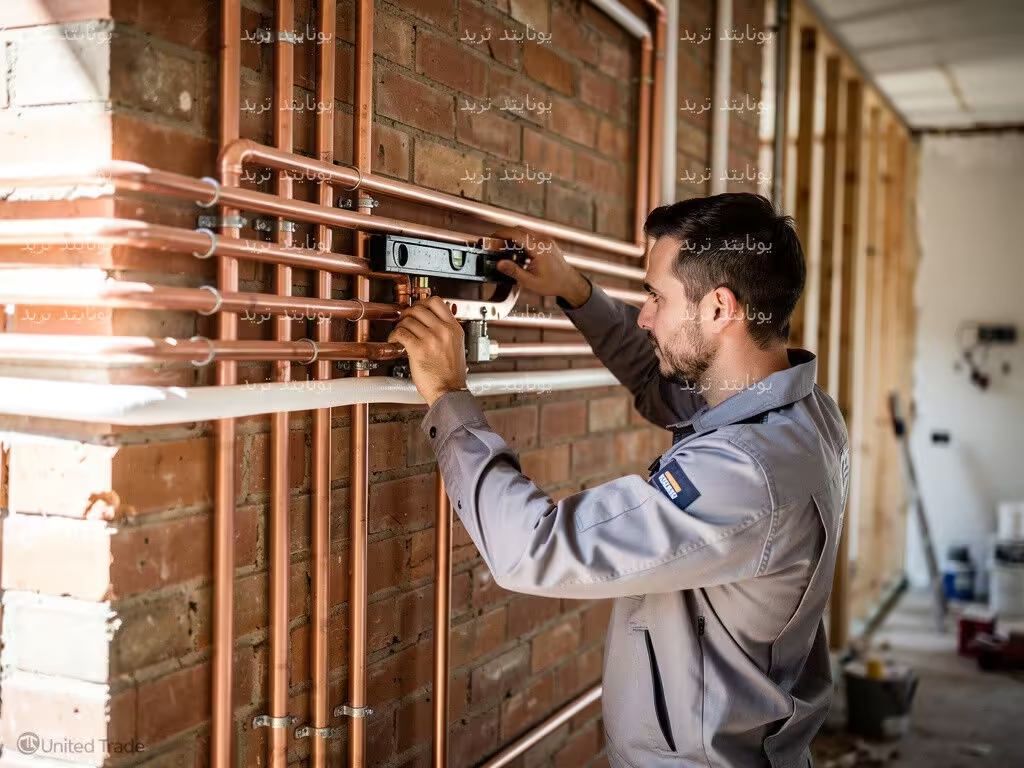
The steps begin by accurately determining the level of the indoor unit to avoid condensation water falling in the wrong place. The technician uses a water level to determine a straight line, taking into account a slight dip in the path of the drain line at a rate of one centimeter per linear meter. As a result, water flows smoothly and without any stagnation that may attract dirt or cause unwanted odors.
Defining paths and emptying walls
The technician makes a deep incision in the wall using the electric missile that allows the pipes to settle below the plaster level without pressure. It is recommended to avoid long horizontal cracks in load-bearing walls to avoid weakening the structural structure. After excavation is completed, the wall duct is cleaned of dust to ensure the stability of the extension package.
Insulating and pulling copper lines
Each copper tube must be insulated within a separate Ermalik hose to prevent heat transfer between the intake and exhaust lines. The technician then combines the two insulated tubes with the control cables and wraps them tightly with protective tape. For example, good packaging ensures that the insulation does not corrode when in contact with the cement mortar at the installation stage.
The actual tuning stages of the system begin when you start... Air conditioning installation According to the correct engineering standards, the tight installation of the two units and the careful connection of the cooling lines ensure the efficiency of the Freon cycle and the stability of pressures. This compatibility between the selected diameters and the installation method protects the compressor from oil build-up and ensures the highest possible cooling performance for the target space.
The package is fixed inside the duct using galvanized metal fasteners separated by distances not exceeding fifty centimeters. In contrast, the ends of copper pipes should be kept tightly sealed with special plugs or by welding to prevent dust and moisture from entering throughout the duration of the architectural finishes.
To ensure continued cooling efficiency and protect the system from damage after installation is completed, there is an urgent need for action Regular air conditioning maintenance For early detection of any refrigerant leakage and treatment of filter and evaporator blockages. This regular check contributes to maintaining stable gas pressures and avoiding long-term compressor fatigue.
Strict adherence to standards Air conditioning installation Air and cooling cycle checks before actual operation are the cornerstone to ensure optimal performance and avoid premature system failures. These technical guidelines ensure that electrical connections match unit loads, maximizing cooling efficiency and protecting sensitive components from excessive operational stress.
Supply and cooling networks require strict adherence to engineering standards, as following the technical manual representsCopper extension pipe The basic substrate to reduce the possibility of leakage and resist high operational pressures. Correct application of these guidelines helps prevent sudden drops in pressure and ensure the efficiency and flow of water within the system in the long term.
Prepare procedures Air conditioning maintenance The periodicity is a pivotal step that is no less important than the accuracy of the initial establishment of the system, as it ensures the detection of any early refrigerant gas leakage and the treatment of blockages in filters and condensates before they cause compressor stress. Regular inspection of mechanical circuit components also contributes to maintaining maximum cooling efficiency and reducing electricity consumption to normal levels.
The actual implementation phase begins immediately after determining the sizes, as it requires a phase Air conditioning installation Accurately, highly skilled in adjusting drainage tendencies and tightly insulating the cooling lines to prevent thermal condensation. The tight fit of the indoor and outdoor units also ensures that mechanical vibrations are reduced and the cooling cycle is maintained efficiently for many years.
The process of selecting appropriate copper diameters is an essential step in... Air conditioning maintenance To ensure optimal cooling efficiency and protect the compressor from overstress. Precise selection of these diameters contributes to dynamic balancing of the refrigeration cycle, preventing sharp drops in pressure or fluid build-up within the system.
Actual cooling efficiency begins with the proper application of steps Air conditioning installation Integrated, taking into account complete thermal insulation and precise air discharge from the circuit. This tight installation ensures that stable Freon pressures are maintained and any future leaks that affect compressor performance are avoided.
Comparison of common copper pipe types
Choosing the appropriate copper alloy is the most important substrate for ensuring stability at high pressures of modern refrigerants such as R410A. The following table shows the most important differences between the types used in the market:
| Type | Thickness | Recommended use | Pressure tolerance level |
|---|---|---|---|
| American Mueller brass | Very thick | Major projects and central air conditioning | Very high |
| South African copper | Medium to thick | Residential homes and split air conditioners | High and stable |
| Korean copper | Certified standard | Split air conditioners with capacities up to 3 HP | excellent |
| Commercial Chinese copper | Thin and uneven | Not recommended for buried work | Low and prone to leaking |
Criteria for checking and testing the cooling network before plastering
The pressure test represents the crucial step that proves the integrity of the extensions before closing the walls permanently with cement. The pipework is compressed using dry nitrogen gas under pressure of 250 or 300 psi. This test continues for 24 hours to monitor the pressure gauge indicator and ensure its absolute stability.
A drop in pressure during the test period reveals pinholes or weak connection points. Furthermore, nitrogen repels any moisture or impurities that may have entered the pipes during construction. Therefore, it is not permissible to cover paths before obtaining a completely stable reading that gives full confidence in the quality of implementation.
Mistakes to avoid in establishing air conditioner lines
Some craftsmen make mistakes that cost homeowners huge amounts of money in later stages of finishing. Avoiding these lapses requires engineering awareness of the requirements of cooling cycles and the nature of the materials used in construction.
- Manually bending pipes at sharp angles: This leads to congestion of the Freon path, poor cooling, and compressor burnout.
- Insulating the two pipes in one insulating hose: It causes negative heat exchange that reduces the efficiency of the device significantly.
- Neglecting the inclinations of the drain pipe: This leads to water accumulating and returning to the internal unit, causing paint damage.
- Leaving the copper ends exposed: allows grains of sand, water, and building materials to seep into the network.
Frequently asked questions
What is the best time to start air conditioning duct installation work?
The ideal time to start is after the completion of the construction of walls and initial plumbing work, and before starting the final electrical extensions or plastering and plastering works, to ensure ease of excavation and the freedom to choose engineering paths.
What is the approximate cost per meter to extend air conditioning ducts?
The cost depends on the diameters and thickness of the copper required, the quality of the insulation and the type of cables, and ranges on average from moderate prices for Korean copper to higher prices for certified American copper, including mounting materials and stress testing.
Can air conditioning ducts be installed in suspended ceilings instead of walls?
Yes, the mesh can be extended in dropped and false ceilings using custom metal brackets. This solution is ideal for modern buildings to facilitate subsequent maintenance work and avoid breaking concrete walls.
How can I be sure of the quality of copper used in the foundation?
The quality of copper can be verified by examining the brand and data engraved directly on the tube, which shows the thickness and compliance with international engineering standards, completely avoiding tubes of unknown origin.
What is the difference between welded and seamless copper pipes?
Extruded pipes without welding are superior in their ability to withstand high gas pressures and resist cracking with temperature changes, while pipes with a longitudinal weld seam are more susceptible to damage and leakage under pressure.
Guidance summary for implementing a successful cooling network
Investing in installing air conditioning ducts in accordance with approved technical controls ensures that your home is protected from moisture damage and provides a comfortable and refreshing indoor environment. Always make sure to hire certified technicians and use original materials that conform to standard specifications to avoid any sudden maintenance costs. Start planning your air conditioning routes carefully now, and enjoy powerful, quiet cooling that lasts for many years.
















TQTAG76 Community dialogue
0 comments