
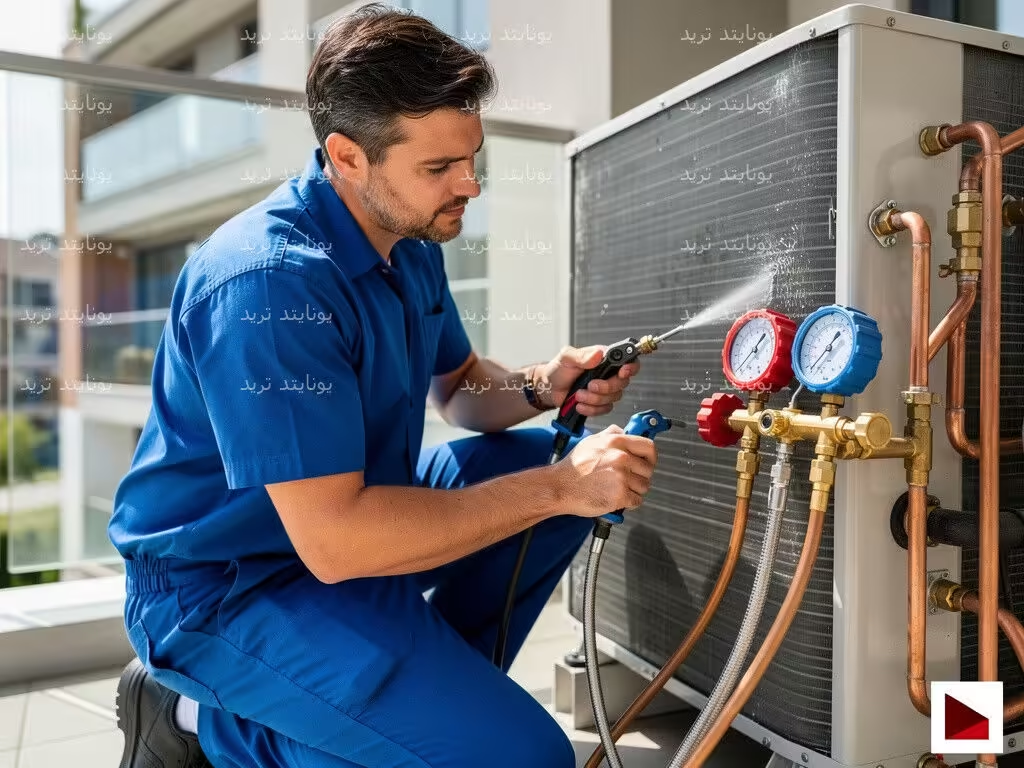
Comparison table between common mechanical and electrical faults
It requires an operation Air conditioning maintenance Homes and businesses accurately diagnose the nature of the defect to avoid replacing intact parts unnecessarily, and save unnecessary repair costs. The following table shows the most important differences between common problems and how to deal with each of them in the field:
| Type of malfunction | Visible signs | Possible cause | Proposed remedial action |
|---|---|---|---|
| mechanical | Violent vibrations or grinding sounds from the outdoor unit | Damage to the fan bearing or wear of the compressor rubber feet | Replace the mounting chairs or install a new fan motor |
| electrical | Suddenly stops working with a faint buzzing sound | The operating capacitor (capacitor) is damaged or the internal fuse is burned | Measure the capacitance with a multimeter and replace the damaged capacitor |
| mechanical | Poor air flow even though the filters are completely clean | Accumulation of grease on the fins of the inner crystal | Remove the rotating drum and wash it with high water pressure |
| electrical | Disconnect the automatic cutter immediately after turning on the device | Electrical short circuit in the compressor coils or faulty grounding | Check wire insulation with a megameter and repair the circuit |
Seasonal preparation guidelines before long layoffs
Many users neglect to apply preventive protection steps when the summer season ends, which exposes the units to rapid damage due to moisture and dust accumulation during the winter months. Steps to protect devices include:
- Run the device on fan mode only for two full hours to evaporate any remaining moisture inside the evaporator and prevent mold from forming.
- Completely disconnecting the electrical current from the insulated main switch (two-sided switch) to avoid damage from electrical oscillations resulting from lightning strikes.
- Remove dry batteries from remote control units to avoid leakage of chemicals and damage to the internal electronic board.
- Cover the outdoor unit with a porous cloth cover that allows air to pass through and prevents the entry of rodents and dust. Avoid using tight plastic covers that trap moisture and accelerate the rusting of the external structure.
Proper handling of insulated copper pipe leaks
Corrosion of the sponge insulation surrounding the cooling pipes is one of the hidden factors that destroy the efficiency of the entire system. Direct sunlight causes this coating to dry out and crack, causing water droplets to condense on the exposed copper and lose a significant percentage of the coolness of the gas before it reaches the internal evaporator. The solution includes repackaging the pipes with high-density foam insulation and wrapping them with custom UV-resistant protective tape to ensure the refrigeration cycle remains at peak thermal performance.
require Air conditioning maintenance Homes and businesses provide meticulous technical care to ensure continuity of cooling and avoid sudden shutdowns during severe heat waves. This article gives you a comprehensive field guide to understanding periodic inspection requirements, reviewing the steps for ideal operation and immediately dealing with any decrease in cooling efficiency to save expensive repair costs.
Quick answer: How is the service done professionally?
Air conditioning maintenance Air is a series of regular preventive procedures that include cleaning filters, checking refrigerant pressure, and washing the evaporator and condenser to ensure cooling efficiency and prevent sudden malfunctions. These steps contribute to reducing electricity consumption by up to twenty percent and extending the life of the device for additional years.
The importance of seasonal inspection of home cooling devices
Pre-technical inspection helps detect early damage to mechanical and electrical parts before the problem worsens. Dust buildup on cooling coils stresses the compressor, raising amp draw and dangerously increasing heat load.
Moreover, regular checking ensures the purity of indoor air flowing inside enclosed rooms. Lack of regular cleaning leads to the accumulation of mold and fungi inside the drain pan, causing unpleasant odors and respiratory problems for users.
Therefore, cooling experts recommend scheduling the inspection twice a year, specifically before the start of the summer and before the onset of winter, to ensure the stability of the system’s performance throughout the months of intensive operation.
Field steps for cleaning internal and external parts
A proper inspection always begins with completely disconnecting the electrical power from the main circuit breaker to ensure occupational safety. The plastic fascia should then be gently removed to access and carefully empty the surface filters and condensate pan.
- Remove the air filters, wash them with lukewarm pressurized water, and dry them completely in the shade to avoid deformation of the plastic fabric due to the heat of the sun.
- Spray the evaporator coils with a cleaning spray designed to dissolve stuck-on grease, then rinse them gently without bending the delicate aluminum fins.
- Clear the drain hose using air pressure or water diluted with vinegar to get rid of caked-on mud deposits.
- Clean the outdoor unit fan and remove leaves and dust accumulated between the condenser blades to ensure smooth airflow and efficient heat exchange.
Signs that require urgent technical intervention
The cooling device shows clear warning signs indicating the presence of an internal defect that requires field intervention before the compressor is completely damaged. For example, ice accumulation on copper pipes is conclusive evidence of airway obstruction or a severe Freon deficiency.
In addition, unusual noises such as whistling or metallic clicking often reflect friction of the fan blades or damage to the spindle bearings (wear). On the other hand, warm air coming out of the ventilation openings indicates that the electrical condenser has malfunctioned or that the compressor has stopped working as a result of its excessive temperature.
The efficiency of the device and avoiding these malfunctions begins from the first step through implementation Installing air conditioning in an engineering manner Sound, taking into account the insulation of the pipes and adjusting the air flow angles. Mistakes made during the initial installation are often reflected later in the form of frequent Freon leaks or excessive pressure on the compressor that reduces its lifespan.
Comparison between self-examination and professional services
The following table outlines the basic differences between what the device owner can accomplish himself and tasks that require certified technicians with advanced measuring tools:
It is a stage Installing air conditioning ducts Precision copper is the cornerstone for avoiding many future mechanical failures such as leaks and poor cooling. The use of correct diameters and appropriate thermal insulation ensures efficient flow of Freon gas and stable compressor performance for many years without problems.
Maintaining an efficient refrigeration cycle requires mastery of skills Welding and fixing copper pipes To ensure that the cooling media does not leak under high pressures. This process involves meticulously cleaning the ends and applying the appropriate heat to tightly flow the solder into the joints. Carrying out these connections correctly will protect the compressor from damage and extend the operating life of the entire system.
When thinking about upgrading the cooling system, a fundamental question arises about the possibility of reusing the old wiring network with modern devices that use environmentally friendly refrigerant gases. This procedure requires a careful assessment of the ability of existing pipes to withstand different pressures and their technical compatibility, as it ensures Architectural preparation of air conditioning ducts Avoid leaks and increase the efficiency of the cooling cycle to the maximum possible level without wasting energy.
It is a stage Installing air conditioning ducts Copper is the basic foundation for ensuring efficient cooling and preventing Freon gas leaks in the future, as its installation requires high precision in thermal insulation and welding. Taking care of the extension paths and securing them inside the walls protects the systems from mechanical stresses, and ensures the sustainability of the device’s operational performance for long periods.
The efficiency of the devices depends on avoiding initial technical errors that may later lead to complex malfunctions, as the use of certified technicians contributes to implementing procedures. Air conditioning installation With high accuracy according to manufacturers' standards. This proper installation ensures that the compressor and electrical circuit are protected from premature wear and provides optimal cooling performance from day one of operation.
It is a stage Installing air conditioning ducts Copper is the basic foundation for ensuring efficient cooling and preventing Freon gas leaks in the future, as its installation requires high precision and well-studied paths away from sharp bends. Proper establishment of these extensions protects the system from structural failures that may appear later as a result of poor distribution or poor thermal insulation.
Preventing these mechanical and electrical problems requires careful attention from the beginning, as the efficiency of the device begins with the implementation of steps Professional air conditioning installation Take care of proper connections and insulation of pipes. Initial errors in installation and Freon routes reflect directly on the life of the compressor and raise failure rates later.
| Comparison element | Simple home examination | Specialized technical service |
|---|---|---|
| Required supplies | Water, soft brush, mild household detergent | High pressure washer pump, pressure gauge, leak detector |
| Tasks performed | Cleaning the external filters and surface cover | Measuring the Freon charge, checking the capacitor, measuring the compressor amp |
| Potential risks | Possible damage to delicate aluminum fins | Non-existent thanks to experience and professional safety equipment |
| Recommended frequency | Once every two weeks to a month | Once or twice a year before the seasons |
| Material cost | Almost free cost | Moderate cost in exchange for protecting the device from comprehensive damage |
How to choose safe cleaning equipment and chemicals?
Cleaning air conditioning coils requires pH-neutral chemicals to prevent aluminum foil from corroding or copper reacting with caustic compounds. Technicians strongly caution against using chlorine or strong acidic cleaners, as these substances corrode and puncture the delicate refrigerant tubes over time.
As a result, it is always preferable to use a cleaning foam designed for self-degrading conditioners, which automatically lifts dirt and drops it with the condensation water. It should be noted that the use of a plastic cooling fin comb effectively helps correct any kinking of the surface air passages to enhance heat exchange efficiency.
Procedures for controlling the refrigerant charge
Freon monitoring is done by measuring the intake pressure and the temperature of the ejection line using a double manifold pressure gauge. Refrigerant gas: It is a thermal medium that circulates in a closed path to absorb heat from the inside and transfer it to the external environment.
- Inspect the connection lines and ensure that there are no oil spots on the copper welds because they directly indicate the presence of a microleak.
- Empty the circuit using a vacuum pump (vacuum) to extract moisture and air before charging the gas in cases of complete leakage.
- Weigh the Freon shipment with extreme precision using the electronic scale according to the quantity specified in grams on the device’s technical data plate.
Frequently asked questions
How often does the air conditioner need regular air conditioning maintenance?
The air conditioner needs to clean the household filters every two to four weeks during periods of continuous summer operation. While it is recommended to request a specialized service at least once a year in the beginning of the spring to carefully inspect the refrigerant gas and internal electrical components.
Why does the air conditioner blow cold, weak air even though the filter is cleaned?
Poor cold air flow is often due to a deeply dirty internal squirrel fan or the internal evaporator coils being clogged with debris. This malfunction can also result from a partial lack of cooling medium due to a leak in the external copper connections.
Is the lack of Freon gas in the air conditioning normal over time?
Refrigerant should not be lacking at all in healthy circuits, because the copper network is a completely sealed and sealed system. Any drop in gas pressure always indicates a break or pinhole in the cooling paths that must be welded and tested before refilling.
What are the causes of water drops falling from the indoor unit?
Dripping water is caused by the drain hose duct becoming clogged with dust and mold, causing the internal condensate pan to overflow. Low Freon charge can also cause congealing on the coils that suddenly melts in quantities that exceed the capacity of the drain pan to hold.
How does periodic inspection reduce the value of the electricity bill?
Continuous inspection ensures that the air paths are clean and that the cooling coils are free of dirt that hinders heat transfer. This helps the compressor reach the required temperature quickly and disconnect in record time, which significantly reduces energy consumption.
Conclusion
Investing in regular maintenance procedures for your home air conditioners is the basic guarantee of enjoying clean air and strong and stable cooling without annoying breakdowns. Start today by cleaning your device's filters regularly, and do not hesitate to request a comprehensive technical inspection of the cooling connections and operating components to ensure a comfortable and energy-efficient summer.
















TQTAG76 Community dialogue
0 comments