
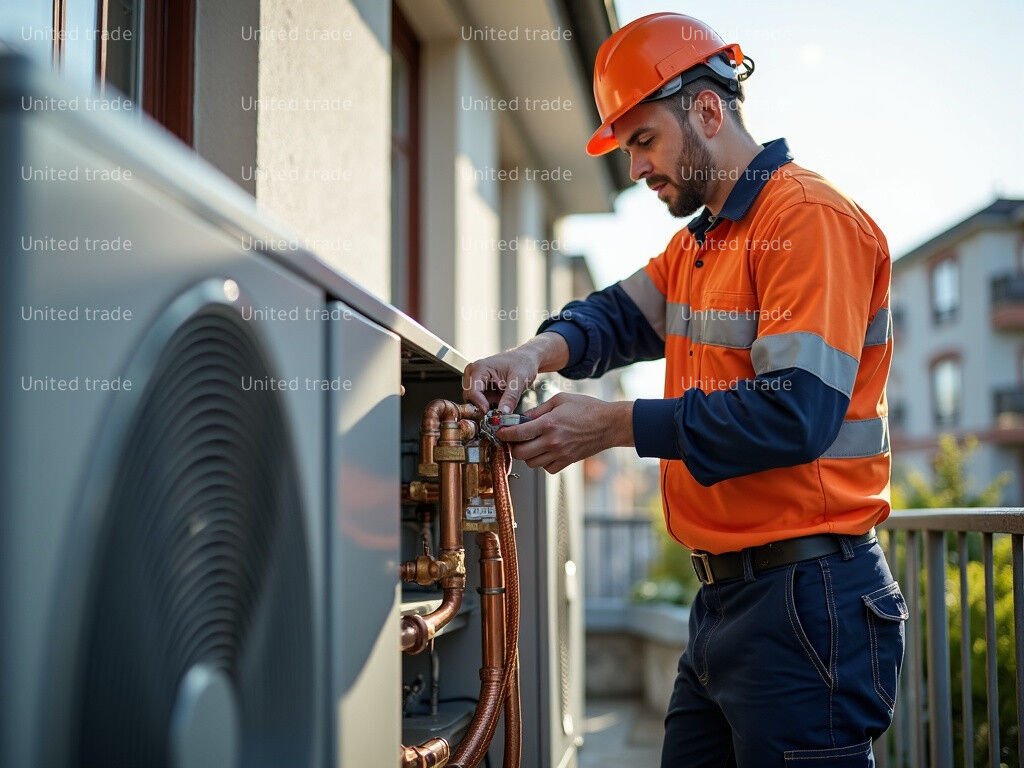
Common mistakes during dismantling and installation operations and how to avoid them
The process of moving air conditioners is a task that may seem simple in the eyes of some, but in reality it contains technical complexities that may lead to serious malfunctions if handled in an unprofessional manner. One of the most common mistakes is not discharging the Freon gas properly inside the outdoor unit before starting to dismantle the copper pipes. This procedure, known as assembly, ensures that the gas remains inside the “piston” and does not escape into the atmosphere, maintaining the ideal operating pressure of the device when it is reassembled.
Another mistake that many people make is violent handling of copper pipes during the dismantling process. These pipes are very sensitive, and any sharp bend or careless twist may lead to a dent in the pipe, which hinders the movement of the refrigerant gas and causes additional pressure on the engine, which consequently leads to poor cooling efficiency or oil leakage within the refrigeration cycle.
Also, some people forget to clean the units before reassembling them. When transporting the device, it is an ideal opportunity to perform regular, comprehensive maintenance, such as cleaning the evaporator and condenser from stuck-on dust. Neglecting this step makes the device work twice as hard in the new location, which significantly reduces its lifespan.
The importance of choosing the alternative location carefully
When planning to move air conditioners to a new place, it's not just about choosing an empty wall. There are engineering standards that must be taken into account to ensure balanced air distribution:
- Avoid installing the indoor unit directly in front of open doors or windows, as this will waste energy.
- It is necessary to provide sufficient space around the external unit to ensure normal air flow, which prevents the motor from overheating.
- Ensure that there is a slight slope in the water drainage hose to ensure that fluids flow out and do not leak into the room.
- Stay away from direct heat sources such as cooking appliances in kitchens or appliances that generate high heat.
The effect of moisture and impurities on the refrigeration cycle
During the process of removing copper connections, the pipes are exposed to atmospheric air, which means moisture and impurities enter the cooling system. If the Vacuum Pump is not used very efficiently, this moisture will remain trapped within the cycle. When the device is running, moisture reacts with oil and Freon gas to form harmful acids that corrode the engine coils from the inside, something that can only be fixed by replacing the entire compressor.
Therefore, the committed technician must be careful to close the pipe openings immediately after dismantling them using tight plastic covers, and prevent dust from reaching them. The use of air vacuum technology is not just an additional step, but rather the real guarantee of the longevity of the device and avoiding sudden malfunctions that may appear weeks after the transportation process.
A comparison between the costs of self-moving and relying on professionals
Some may wonder about the feasibility of hiring specialized companies versus doing the work individually. Here is the following table that shows the basic differences and risks associated with each option:
| Comparison | Rely on a professional technician | Individual attempt (no experience) |
|---|---|---|
| Preserve Freon gas | 100% guaranteed through assembly process | The possibility of gas leakage is very high |
| Safety of copper pipes | Use specialized bending tools | Risk of dent or breakage |
| Vacuum | Mandatory to ensure quality performance | It is often overlooked or neglected |
| Warranty coverage | There is a warranty on installation | There is no warranty for the device |
| Total cost in the long run | Low (device protection) | High (frequent repair costs) |
Factors affecting the length of copper pipes when moving
When you move to a new place, the distance between the indoor and outdoor unit may be different from the previous place. This change requires precise technical procedures:
- Accurately measure the new distance: If the distance is longer, the device will need an additional amount of Freon charge to cover the new length of pipes and maintain constant pressure.
- Changing the route: You should avoid making the pipes pass through areas that may be exposed to constant pressure or bending, while ensuring that they are well thermally insulated to reduce energy loss.
- Pipe quality: If the old pipes have been hardened or oxidized, it is preferable to replace them with new ones to ensure that leaks do not occur in the future, especially if the transportation process includes longer distances than usual.
Test procedures and trial runs after installation
After completing the mechanical and electrical installation process, the technician's role does not end once the device is turned on. A series of tests must be done to ensure that everything is working efficiently:
First, make sure there are no leaks in the Freon connections using soap or electronic leak detectors. Any leak, even if it is minor, will cause the cooling to gradually decrease over time.
Secondly, measure the ampere current drawn by the motor. If the amperage is higher than the normal rating listed on the device's data plate, this means there is a defect in the electrical connections or abnormal pressure in the gas circuit.
Third, check the condensation water drainage. You must pour a small amount of water into the collection basin inside the indoor unit and ensure that it flows smoothly through the drain hose to the outside, in order to prevent any water leakage inside the room or damage to the walls and floors.
Fourth, temperature testing. A digital thermometer is used at the air outlet of the indoor unit; The difference between the room temperature and the air temperature leaving the device should be in the range of 8 to 12 degrees Celsius, which reflects the correct cooling efficiency.
Following these steps greatly reduces the need to request maintenance services again, and ensures that you and your family have an ideal cooling experience in your new environment, which makes moving air conditioners from one place to another a smooth and comfortable process without any concern about the device’s performance or its consumption of electrical energy.
The process of transporting air conditioners from one place to another requires high precision and technical expertise to ensure maintaining cooling efficiency and protecting internal components from damage. Many customers face technical challenges when trying to disassemble or reassemble without consulting specialists, which leads to Freon gas leakage or malfunctions in the electrical circuit. Through this article, you will learn about the systematic steps followed by technicians to ensure a successful and safe transfer of your device as quickly as possible.
Quick answer
Moving air conditioners is a technical procedure that includes dismantling the device in a way that ensures that Freon gas is trapped inside the external unit, then reinstalling it in the new location while ensuring the integrity of the copper and electrical connections. It is always recommended to rely on a specialized team to avoid loss of refrigerant or damage to copper pipes during the transportation process.
Maintaining cooling efficiency requires action Air conditioning maintenance Periodically to detect refrigerant gas leaks and clean filters from accumulated dust. Neglecting these preventive steps gradually leads to a decline in the overall performance of the device and an unjustified increase in power consumption.
The importance of hiring specialists to transport air conditioners
Hiring experts in the field of air conditioning will save you time and effort and guarantee a longer lifespan for the device in the new place. A professional technician is well aware of how to deal with gas pressures and sensitive electrical connections that may be affected by movement.
Negligence in cleaning filters and checking cooling pipes regularly leads to a decline in performance efficiency and a noticeable increase in energy consumption. So, action Air conditioning maintenance Regularity ensures that the internal components are protected from damage and extends the life of the device so that it can operate at its best.
Next comes a stage Installing air conditioning ducts Which requires high precision in selecting paths and providing the necessary thermal insulation to prevent moisture leakage or loss of cooling efficiency. Negligence in the quality of the copper materials used or poor welding of the connections inevitably leads to refrigerant gas leaks and accelerated damage to the compressor.
Ill-conceived handling of the refrigeration cycle leads to the leakage of Freon gas, which impairs the efficiency of the device and subsequently leads to the compressor burning. So, action Air conditioning maintenance Regulated by specialists ensures that ideal gas pressure is maintained and significantly extends the life of your unit.
He promises Installing air conditioning ducts Accurately, this is the essential step that guarantees the efficiency of cooling and the longevity of the device, as any negligence in the quality of materials or poor wiring may cause future leaks that are difficult to treat. Therefore, it is necessary to ensure that the pipes are professionally thermally insulated and their smooth paths must be ensured to avoid unnecessary pressure on the air conditioning compressor.
The unplanned loss of refrigerant gas leads to poor cooling efficiency and compressor burnout in the long run, so the gas reserve technology inside the external unit must be relied upon before starting any dismantling step. Following a professional approach Dismantling and installing air conditioners It ensures that the hydraulic system pressure is maintained and significantly extends the life of the device.
Equally important is careful attention to the stage Installing air conditioning ductsAs any sharp bends or leaks in these copper extensions may lead to loss of cooling efficiency and subsequent refrigerant gas leakage. Therefore, you must ensure that these pipes are professionally thermally insulated to ensure that the device continues to operate at the highest possible performance and to protect it from damage resulting from external factors.
Count Carrier air conditioners It is one of the devices that requires extreme precision when dealing with its cooling cycle to ensure efficient performance, as any error in adjusting the Freon gas pressure may lead to complete damage to the compressor. Therefore, specialized technicians must be hired to ensure the safety of the copper pipes and to discharge the gas in a professional manner that protects the life of the device.
require Sharp air conditioners High precision when dealing with the refrigeration cycle, as the loss of Freon gas leads to decreased performance efficiency and damage to the compressor in the long term. Therefore, specialized technicians must be hired to ensure that the gas is emptied and stored inside the external unit before starting to dismantle the copper connections.
It is considered practical Choose a new installation location An essential pillar for ensuring efficient cooling, unit orientation and airflow directly affect power consumption and device life. Adherence to precise technical standards when choosing a new installation location will avoid frequent malfunctions and ensure ideal air distribution within the room.
Requires handling process Carrier air conditioners Extreme precision in following the steps for dismantling gas compressors and securing copper pipes to prevent refrigerant leakage. Ignoring these technical standards during transportation inevitably leads to a decline in cooling efficiency and damage to the internal components of the device, which imposes the necessity of relying on specialized technicians to ensure the safety of the installation.
require Sharp air conditioners High precision when dealing with the refrigeration cycle, as Freon gas leakage as a result of incorrect disassembly leads to a significant decrease in cooling efficiency. Therefore, specialized technicians should always be relied upon to ensure that the gas inside the compressor is emptied and the entire system is maintained.
Count Sharp air conditioners It is one of the devices that requires extreme precision when dealing with its cooling system, as any leakage resulting from poor disassembly directly affects the cooling efficiency and the compressor’s lifespan. Therefore, maintaining Sharp air conditioners requires relying on specialized technicians who know how to secure and empty the Freon cycle in a way that ensures the safety of the device’s internal components.
Rushing to remove the connections before ensuring that the gas is trapped will cause it to leak completely, forcing you to recharge it at a high additional cost. So, the implementation of the process Freon gas discharge Precisely ensuring you maintain cooling efficiency and extends the life of the device when it is restarted in the new location.
require Carrier air conditioners High accuracy in handling the refrigeration cycle to ensure maintaining compressor efficiency and preventing Freon gas leakage. Therefore, carrying out the dismantling and installation operations by specialized technicians ensures that the system is maintained and its performance continues Carrier air conditioners With the highest possible efficiency for many years.
Negligence in this step leads to the leakage of refrigerant gas, which impairs the efficiency of the device and imposes additional operational burdens that accelerate compressor wear. So, the Dismantling and installing air conditioners It requires high technical precision to ensure that Freon is trapped inside the outdoor unit before beginning to disconnect the copper connections.
The accuracy of the installation does not stop only at the indoor unit, but also extends to... Installing air conditioning ducts Very carefully to ensure unhindered flow of the cooling medium. Choosing the correct paths and ensuring good thermal insulation for the pipes plays a pivotal role in maintaining the efficiency of the device and avoiding Freon leaks that may exhaust the compressor in the long run.
The accuracy of the installation does not stop only when dealing with the cooling units, but also extends to the stage Installing air conditioning ducts Which forms the main artery of the ventilation system. Careful planning of the paths of these pipes and ensuring proper thermal insulation ensures efficient refrigerant gas flow and protects the device from future leaks that may impair performance efficiency.
The accuracy of the installation does not stop only at the indoor unit, but also extends to... Installing air conditioning ducts Very carefully to ensure optimal refrigerant flow and prevent any future leaks. Choosing the correct paths and ensuring good thermal insulation for these pipes plays a pivotal role in increasing the cooling efficiency and extending the life of the device.
Poor handling of the refrigeration cycle during transportation can cause Freon gas to leak, impairing the efficiency of the device and draining the compressor quickly. Therefore, it is important Air conditioning maintenance Periodically after each installation to ensure that gas pressures are adjusted and the copper connections are intact.
Many people also forget the importance of carefully checking the electrical and copper connections after reassembly, which exposes the device to the risk of contact or gas leakage. Commitment to steps Air conditioning maintenance Minutes ensure efficient cooling and significantly extend the lifespan of your units.
Maintaining cooling efficiency requires action Air conditioning maintenance Periodically to detect Freon leaks and ensure the cleanliness of the filters, as dust accumulation contributes to compressor fatigue and reduces the lifespan of the device. Adhering to a regular cleaning schedule ensures smooth air flow and protects internal components from accelerated damage.
Avoid damage to Freon gas
Freon damage or leakage is the most common mistake when transporting air conditioners without accurate measuring tools. The specialist performs a process called collecting Freon (Pump Down) inside the compressor before separating the pipes, which prevents loss of gas and reduces recharging costs later.
Protection of electrical circuits
The electrical circuits in modern air conditioners are very sensitive to any violent vibrations or connection errors during transportation. The certified technician makes sure to carefully wrap the connections and separate the wires, ensuring that they comply with operating specifications when reinstalling in the new location.
Steps in the process of disassembling and transporting air conditioners
The transportation process takes place through a series of organized steps that ensure the integrity of every part of the device is maintained. The process begins with examining the technical condition of the air conditioner before dismantling to ensure that there are no prior malfunctions, then moving to the assembly stage.
- Run the device for a short time before disassembling to check the condition of the piston.
- Close the service valves in the outdoor unit to reserve refrigerant.
- Completely disconnect the power supply from the indoor and outdoor unit.
- Carefully dismantle the copper pipes and cover their ends to prevent dust from entering.
- Pack the units using protective materials to prevent scratches during transportation.
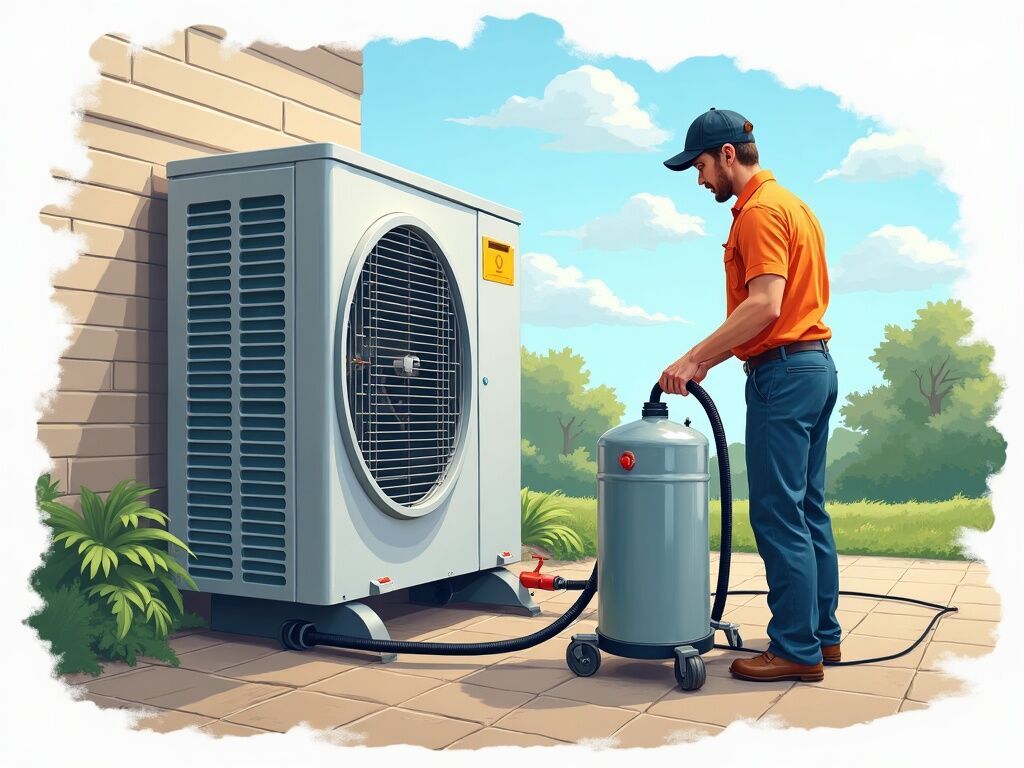
Comparison between manual jaw and professional jaw
This comparison shows the fundamental difference between trying to dismantle yourself and relying on a technician specialized in moving air conditioners, as it shows the costs and risks resulting from each option.
| Comparison | Manual jaw (no experience) | Professional jaw |
|---|---|---|
| Freon safety | It often leaks completely | Freon is completely reserved |
| Piping safety | Prone to bending and damage | Maintaining the integrity of pipes |
| Total cost | It may be expensive due to repairs | Economical and ensures business continuity |
| Time taken | Too long with possible error | Fast and efficient |
Common mistakes to avoid when transporting the air conditioner
Avoiding common mistakes contributes to prolonging the life of the air conditioner after transportation. It is very important not to bend the copper pipes sharply, because this reduces the flow of the refrigerant and puts excessive pressure on the air compressor.
Skip to clean the unit before transporting
It is always recommended to clean the unit before moving to ensure that suspended dust is not transferred to the new location. Dust buildup inside the fan or filters may cause an imbalance upon restart, resulting in annoying sounds or abnormal vibrations.
Not checking the new installation location
Before embarking on the move, make sure the new location is prepared to accommodate the unit. You must ensure that there is a suitable electrical power source, that the wall can bear the weight of the outdoor unit, and that there is sufficient space for good ventilation.
Frequently asked questions
How is Freon reserved before transporting air conditioners?
Freon is reserved by running the air conditioner on cooling mode, then closing the intake valve, waiting until the pressure decreases, then closing the exhaust valve and disconnecting the electricity immediately.
Is it possible to move the air conditioner without charging Freon?
Yes, if the gas collection process (Pump Down) is done correctly inside the outdoor unit, you will not need to add Freon after transportation and reinstallation.
How long does it take to dismantle and install the air conditioner?
The process usually takes between 3 to 5 hours, depending on the difficulty of the site, the length of the copper piping, and the accessibility of the units.
Does transportation affect cooling efficiency?
If the transportation and installation steps are carried out by qualified technicians according to technical standards, the cooling efficiency will not be affected at all, and the device will continue to operate as it was before.
What tools are required to move the air conditioner?
The process requires appropriate wrenches, gas pressure gauges, a vacuum pump, and packing materials to protect the units from shock.
Final evaluation of the service
| Evaluation standard | Rating (out of 5) |
|---|---|
| Quality of artwork | 5/5 |
| Speed in completion | 4.5/5 |
| Preserve Freon gas | 5/5 |
| Value for price | 4.5/5 |
Overall: 4.75/5
Air conditioning transportation is an investment in protecting your equipment from sudden damage. Do not hesitate to seek help from professional technicians to ensure your comfort in your new home.
















Community dialogue
0 comments