
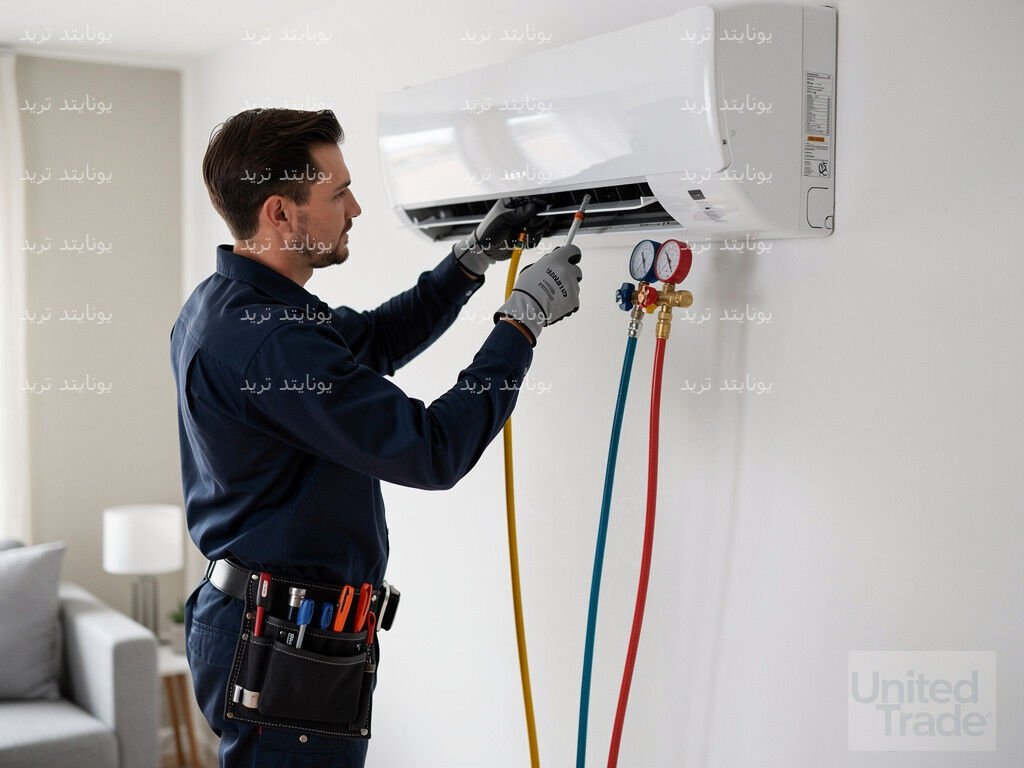
Schedule of technical inspections to ensure cooling efficiency
Maintaining cooling efficiency requires a regular schedule that specifies the necessary technical interventions for each part of the device, ensuring that unplanned breakdowns are minimized and high costs are avoided:
| Technical procedure | Recommended repetition rate | Direct impact on the device |
|---|---|---|
| Wash and dry the internal filters | Every two weeks in the summer | Improve air flow and prevent unpleasant odors |
| Clean the evaporator and condenser fins | Once every 6 months | Raising the heat exchange rate and reducing the compressor temperature |
| Review of copper pipe insulators | Annually before the start of the season | Prevent loss of refrigerant and protect pipes from corrosion |
| Check current intensity and electrical loads | Annually by a technician | Protect the electronic board and compressor from burning |
Specialized tools and materials for cleaning precision parts
You need operations Air conditioning maintenance Including the use of precise tools that ensure the buildup is removed without damaging the sensitive components inside the device:
- Aluminum fin adjustment comb to straighten bent slats and facilitate air movement.
- Antibacterial chemical cleaning foam to dissolve grease stuck inside the drain pan.
- Low pressure water pump for safe washing so connections are not damaged.
- Versatile digital meters for checking the efficiency of sensors and thermostat connections.
Instructions for dealing with water drains
The condensation drain hose is constantly clogged due to the collection of algae and fine sediments coming in with the air. To avoid water leaking into the room:
- Pump a solution of lukewarm water with white vinegar in equal proportion into the drain to break up the sediment.
- Use a flexible plastic cleaning wire to carefully clear the outer hole without puncturing the tube.
- Check the inclination angle of the drain hose to ensure that water flows by gravity without stagnation.
Maintaining the efficiency of cooling equipment requires action Air conditioning maintenance Periodic to avoid sudden breakdowns during severe heat waves. This article gives you a comprehensive technical overview of how to inspect the internal and external parts of the cooling system, which helps you reduce energy consumption and extend the lifespan of your unit with reliable efficiency.
Quick answer
Air conditioning maintenance It is a series of technical and preventive measures that include cleaning the filters, washing the evaporator and condenser, measuring Freon gas pressure, and ensuring the integrity of the electrical connections. Performing these operations regularly reduces electricity consumption by up to 20% and restores the full cooling power of the system without unexpected malfunctions.
What is the importance of periodically checking the cooling system?
Regular inspection protects air conditioning devices from internal corrosion and dust accumulation that hinders normal heat exchange. Moreover, constant inspection of mechanical parts reduces the possibility of burning out the electric compressor, which is the most expensive part of the air conditioner components.
Regular preventive measures contribute to purifying indoor air from bacteria and microbes stuck in the air ducts. Therefore, investing in care for cooling devices represents health protection for the family before it is a preventive material measure.
Step by step cleaning of the indoor unit
Cleaning the indoor unit begins with completely disconnecting the power supply from the main breaker to ensure complete field safety during the inspection. It should be noted that water and humidity pose an electrical hazard if components are handled without complete isolation of the source.
The basic stages of dealing with the internal unit can be summarized in the following order:
- Carefully remove the outer plastic cover to avoid breaking the side clips.
- Remove the mesh air filters and wash them with lukewarm water and a gentle stream to remove accumulated dust.
- Spray the evaporator coils with a specialized cleaning fluid that dissolves hardened grease and dirt.
- Clear the condensate drain basin using a flexible wire and pump a sufficient amount of warm water.
- Dry wet parts well with a soft cloth before reassembling the exterior.
How to maintain air conditioners by checking the outdoor unit
The outdoor unit is exposed to harsh weather conditions such as direct sunlight, dust, and constant wind. Accordingly, the external condenser coil requires periodic washing with controlled water pressure to remove debris that stifles the process of removing absorbed heat from the rooms.
The work includes inspecting the cooling fan motor and ensuring that the blades are free of any bending or movement obstructions that hinder its rotation. In addition, you must check that there is no rust on the metal frame or cracks in the thermal insulators surrounding the copper pipes connecting the two units.
Comparison table between self-service and professional technician intervention
Levels of air conditioning care vary from what a homeowner can do safely to what requires complex equipment and advanced expertise. The following table explains the basic differences between these two styles to help you make the right decision:
The effectiveness of the regular maintenance schedule begins from the foundational stage of the device. Where implementation is guaranteed Air conditioning installation According to sound engineering standards, balancing air flow and avoiding premature leakage of Freon. The precise installation of the internal and external units also helps reduce mechanical vibrations, which increases the efficiency of cooling and reduces the need for emergency interventions in the future.
The efficiency of the entire refrigeration cycle depends on the quality of the conveyor path of the refrigerant compound, as it ensures a step Establishing copper pipes With precise diameters and tight thermal insulation, Freon flows smoothly between the indoor and outdoor units. This measure also protects the system from the risks of gas leakage and moisture formation inside the walls, which in turn extends the life of the air compressor.
The efficiency of the refrigeration cycle depends entirely on adherence to a stage Installing air conditioning ducts According to well-studied paths that prevent bottlenecks in the flow of Freon and limit water accumulation. This preventive measure at the beginning of construction protects the walls from moisture and structural damage, and prevents the system from recurring malfunctions or poor gas pressure in the future.
Maintaining an efficient refrigeration cycle requires mastery of skills Welding and bending of copper pipes To prevent any leakage of Freon gas and ensure its smooth flow under high pressures. This is done using precision bending tools to avoid choking the pipes, and applying controlled temperatures during welding to create tight, long-lasting connections.
Optimal cooling efficiency starts with precise standards New air conditioning installation In the designated space, proper installation of the indoor and outdoor units reduces mechanical loads. Professionally establishing water drainage paths and Freon connections also ensures the avoidance of leaks that may exhaust the compressor in the future.
The accuracy of the performance of the refrigeration cycle in its early stages depends on the implementation of work Establishing copper pipes With geometric precision, it takes into account proper paths and avoids bottlenecks. Paying attention to the quality of insulation and choosing appropriate pipe diameters protects the compressor from premature fatigue and prevents any possible leakage of the refrigerant compound.
The efficiency of the refrigeration cycle actually begins with the quality of the infrastructure of the air conditioning system, as the stability of the Freon gas pressure depends on the complete mastery of the process. Establishing copper pipes And choose their diameters accurately, appropriate to the unit capacity. The tight thermal insulation of these extensions also contributes to reducing heat loss and avoiding water leakage problems resulting from condensation, which protects the compressor from premature fatigue.
| Comparison element | Simple home examination | Specialized technical intervention |
|---|---|---|
| Basic scope of work | Clean the filters and disinfect the drain | Freon charging and electrical circuit repair |
| Tools used | Water, a soft brush, and regular cleaning materials | Pressure pumps, meters, and leak detectors |
| Risk level | Very low and does not require wire insulation | High due to gas pressure and high electrical voltage |
| Recommended frequency | Every two weeks to a month during the operating season | Once or twice a year before the beginning of summer |
| Impact on warranty | It does not affect the warranty document at all | The warranty is valid if it is made through an approved party |
Causes of poor cooling and the appearance of strange sounds
Poor cooling is often caused by blocked airflow paths due to dirt accumulating on the fine aluminum fins. In contrast, hot or warm air flow may indicate a low charge of the refrigerant due to a micro-hole in the closed copper circuit.
True cooling efficiency begins before turning on the device with adjustment steps Air conditioning installation According to sound engineering standards, the tight installation of the internal and external units ensures ideal air flow. Carefully adjusting the inclinations of the drain pipes and insulating the refrigerant lines also contribute to preventing refrigerant leakage and protecting the compressor from premature fatigue.
Identify sources of mechanical noise
Strange noises usually result from the air distribution fan rubbing against the unit body due to wear on its rubber feet. For example, a loud humming sound indicates that the electric compressor is difficult to start and a damaged run capacitor, while a whistling sound indicates a refrigerant leak under high pressure.
Ways to rationalize electricity consumption through air conditioning management
Setting the thermostat to balanced temperatures between 24 to 25 degrees Celsius helps significantly reduce the burden on the cooling system. As a result, the compressor cycles are reduced, reducing power draw by more than 15% throughout the day.
The following behavioral actions contribute to enhancing cooling efficiency inside the building:
- Close curtains that block direct sunlight during the afternoon to reduce heat load.
- Use ceiling fans in conjunction with the air conditioning to improve the effective distribution of cool air.
- Tightly seal windows and doors and replace damaged vent insulation to prevent cold leakage.
- Avoid operating heat-generating appliances near the indoor cooling unit.
Frequently asked questions
What is the ideal time to clean air conditioning filters?
Air filters should be cleaned once every two weeks during summer months and heavy operation. This procedure ensures easy air intake and prevents dust from accumulating on the internal evaporator fins.
How do I know that the air conditioner needs to charge Freon?
Freon deficiency is indicated by poor gradual cooling and the formation of a layer of white ice on the external copper pipes or evaporator coils. Moreover, the compressor continues to operate without stopping and is unable to reach the required temperature.
Does water falling from the indoor unit cause an electrical hazard?
Yes, water leakage may cause moisture to reach the electronic operating card and sensitive connections. The air conditioner should be turned off immediately and the drain hose should be unplugged to avoid a short circuit.
When should the electrical condenser in the air conditioner be replaced?
Replace the electrolytic capacitor when a frequent humming sound is heard from the outdoor unit without the compressor starting to rotate. The technician confirms this malfunction by measuring the capacitor capacity using a designated measuring device and comparing it to the value written on it.
What is the difference between the efficiency of regular air conditioning and inverter air conditioning?
Regular air conditioning works with the compressor on and off, which consumes high electrical energy at every start. In contrast, the inverter system gradually changes the engine's rotation speed, saving up to 40% of the total electricity consumption while maintaining a stable temperature.
Your next step to protect the cooling system
Commitment to scheduled air conditioning maintenance is the ideal solution for clean air and quiet operating performance at the lowest possible cost. Take the initiative now to inspect your home units and apply regular hygiene guidelines, and do not hesitate to seek specialized technical assistance to address any early defect before it worsens.
















Community dialogue
0 comments