
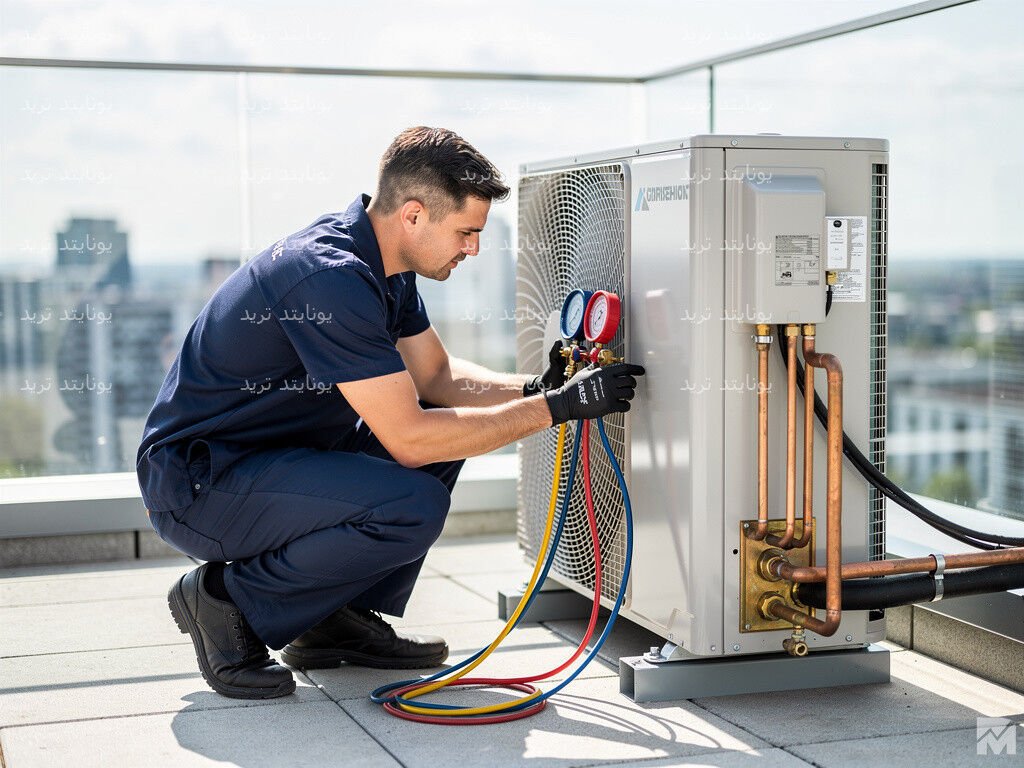
Factors affecting the cost of inspection and repair services
The financial value required when requesting inspection and repair services for cooling devices varies based on a group of technical and field variables. The type of fault plays a crucial role in determining the final bill, as simple connection adjustments differ from complex mechanical part replacements.
- The device's capacity and size are in refrigeration tons, as large units require double time and effort in inspection.
- The type of Freon gas used in the system, such as R22 Freon or modern environmentally friendly Freons such as R410A and R32.
- Easy access to outdoor units. High locations that require cranes or scaffolding require additional costs.
- The need to provide original spare parts from the country of origin compared to commercial alternatives available in local markets.
A comparison of common types of cooling malfunctions and ways to deal with them
Knowing the nature of the problem helps home and facility owners estimate the extent of intervention required and speed up coordination with specialized workshops. The following table shows the most prominent technical problems, their technical causes, and the proper professional procedure to address them.
| Technical malfunction | Direct cause | Proposed remedial action |
|---|---|---|
| Ice formation on copper pipes | Lack of refrigerant charge or severe blockage of air filters | Treat the leak first then recharge and clean the air flow ducts |
| The compressor stops but the fan continues to operate | Damage to the starting capacitor (capacitor) or high engine temperature | Replace the damaged condenser with another of the same capacity and check the ambient ventilation |
| Water falling into the room | Clogged drain pan or incorrect inclination of the indoor unit | Clean and disinfect the drain hose and adjust the wall mounting scale |
| A loud buzzing sound occurs when operating | Corrosion of the fan motor bearing or looseness of the screws | Lubrication and lubrication of bearings or replacement of motor and tightening of chassis |
Occupational safety procedures while handling electrical units
Dealing with thermal systems requires strict safety standards to avoid electrical shock accidents or explosions in high-voltage lines. Power must be disconnected from the main breaker of the distribution panel before touching any internal cables, and the remaining charges in the capacitors must be discharged via a designated resistor before field tests begin.
Insulated gloves should also be worn and goggles should be used to protect the eyes from sprays of compressive oils or liquid refrigerant gas, which may cause immediate cold burns when they come into contact with human skin unobstructed.
Considered Air conditioning maintenance Air is an absolute necessity to ensure that cooling devices operate with full flow efficiency and to avoid sudden malfunctions during severe heat waves. This technical guide gives you clear steps to inspect mechanical and electrical circuits yourself and determine when a professional technician is needed. With us, you will learn how to clean heat exchangers, drain water, and check refrigerant pressures to reduce electricity consumption by more than thirty percent.
Quick answer
Air conditioning maintenance Air is a series of regular preventive measures that include cleaning the filters and condenser, measuring refrigerant pressure, and clearing the drain to ensure stable temperatures. Applying these standards every six months helps reduce your electricity bill by up to thirty percent and avoid sudden compressor burnouts. You can perform surface washing yourself, while closed circuits and Freon charging require specialized technical measuring equipment.
The importance of carrying out regular air conditioning maintenance
Regular preventive operations contribute to preventing dust accumulation on the metal fins of the internal evaporator, allowing for smooth and rapid heat exchange. The compressor experiences increased electrical voltage when the air paths are blocked and impurities accumulate inside the air pushing unit. As a result, electrical power consumption increases and the mechanical motor heats up, causing automatic shutdown via the overload circuit breaker.
Continuous treatment of drain lines prevents moisture stagnation that creates unpleasant odors and provides an environment for bacteria and mold to grow within the living space. In addition, regular inspection of the electrical connection ensures that the terminals are not corroded by constant vibrations of the device during long summer periods.
Stages of mechanical and electrical inspection of the air conditioner
A systematic engineering check begins by matching the electrical current draw measured in amperes with the nominal value written on the technical data plate. Any deviation exceeding ten percent indicates mechanical resistance in the fan shaft or a faulty rectifying capacitor. Therefore, it must be verified that the movement of the external blades is free of any physical obstacles that prevent air flow.
This is followed by checking the operating pressures using a manifold gauge to confirm the charge of the refrigerant compound, whether it is R410A or R22 refrigerant. The following table shows an accurate comparison of the most prominent technical indicators between an air conditioner that undergoes regular technical service and a neglected device:
| Technical indicator | Air conditioning subject to regular maintenance | Neglected air conditioning without follow-up |
|---|---|---|
| Efficiency of forced air flow | Uniform flow at full design rotation rate | Severe weakness, up to forty percent decline |
| Electrical amp consumption | Matches factory panel value (Full Load Amps) | Continuous rise leads to the compressor overheating and disconnecting |
| The sound of the compressor and fan rotating | Low operating whisper and isolated vibrations | Clicking, rubbing and mechanical squeaking sounds |
| Indoor air purity level | Free from mold, dust and allergens | Emitting musty odors and flying dust particles |
| Average lifespan of the device | It lasts between ten to fifteen years | The compressor is damaged before reaching five years |
Practical steps for cleaning internal filters and coils
Cleaning the indoor unit requires following a simple technical sequence that always begins with disconnecting the main electrical breaker switch to avoid any sudden shock. In addition, a low-pressure water pump, a soft-bristled brush and a chemical solution intended for dissolving grease should be prepared.
- Gently open the plastic interface and remove the mesh dust filters without bending their plastic frames.
- Wash the filters with lukewarm water against the direction of the air flow to remove dirt and leave them to dry completely in the shade.
- Spray the air conditioning evaporator cleaning solution between the aluminum fins and leave it for ten minutes to penetrate between the folds.
- Gently rinse the fins with water using a spray bottle, avoiding any spray droplets on the electronic board.
- Clean the water catchment basin and pour a cup of diluted vinegar into the drain hose opening to remove algae.
These steps ensure that the squirrel fan's ability to blow cool air is restored at full capacity without making noises that distract users.
The technical aspects are not limited only to maintenance and inspection work, but also extend to the foundational procedures represented in: New air conditioning installation Efficiently matching standard standards. This procedure requires careful skill in choosing the appropriate path for connections and tightly installing the indoor and outdoor units to ensure the highest levels of cooling and avoid future malfunctions.
The costs become more apparent when it is necessary to process internal installations, where precision comes into play Installing air conditioning ducts It plays an essential role in avoiding future leaks that raise the maintenance bill. Implementing this copper path requires choosing appropriate diameters and perfect thermal insulation to ensure the flow of the cooling medium with high operational efficiency.
Maintaining the efficiency of the cooling system requires attention to the quality of the infrastructure from the beginning, as it contributes Air conditioner copper extension According to engineering standards to avoid leakage of Freon gas and blockage of drain lines. Following proper installation principles helps reduce pressure on the compressor and prevent recurrent cooling malfunctions in the long run.
Maintaining the efficiency of the refrigeration cycle and preventing the leakage of Freon gas requires extreme precision when configuring the connection lines, as it is... Installation of copper pipes Sound engineering is the decisive factor in stabilizing system pressures and isolating the cooling media from external weather factors. This process begins with choosing the appropriate diameters and extending the paths with the least possible bends to avoid compressor fatigue and ensure the longest operational life of the unit.
The success of the cooling system is closely linked to the quality of the first establishment stage, as it ensures... Efficient air conditioning installation High avoidance of future malfunctions and cumbersome maintenance costs. This requires choosing the appropriate location and installing the indoor and outdoor units according to precise engineering standards that ensure smooth air flow and water drainage.
The cost becomes more apparent when it is necessary to address the cooling network infrastructure, as it requires a phase Installing air conditioner piping Extreme precision in choosing sizes and copper insulation to ensure efficient refrigerant flow. This technical measure protects the system from the risks of leakage and blockage of drain lines, which significantly reduces future maintenance expenses.
The quality of the air conditioning system infrastructure is directly reflected in the extent of future malfunctions, as it represents a stage Installing and insulating copper pipes Pivotal step ensures efficient refrigerant flow and prevents chronic leakage problems. Also, taking into account the correct paths and diameters during the initial expansion reduces periodic maintenance costs and preserves the life of the compressor for the longest possible period.
Procedures for checking the efficiency of the external unit and heat dissipation
The outdoor unit is the heart of the compression refrigeration cycle, where the compressor, condenser and exhaust fan directed to the outside atmosphere are located. On the other hand, exposure of this unit to direct sunlight and the accumulation of tree leaves and sand dust hinders the conversion of the cooling medium into liquid. It should be noted that washing the condenser with very high water pressure may bend the delicate fins and completely block the air intake paths.
Quality is not limited to periodic maintenance and treatment, but actually begins from the first moments through the implementation of steps Air conditioning installation With precision engineering that takes into account safety standards and efficient airflow distribution. This proper establishment ensures that sudden malfunctions are avoided in the future, and that energy consumption rates are significantly reduced.
The water stream should be directed from the inside to the outside at an oblique angle to ensure that all mud masses stuck between the copper pipes are flushed out. Always make sure to check the stability of the anti-vibration rubber bases under the air conditioner's external legs to prevent noise from being transmitted to the walls.
Common malfunctions and how to diagnose their technical causes
Air conditioner owners face phenomena that indicate a breakdown in the cooling function and require knowledge of the actual causes of the malfunction rather than inaccurate guesswork. Direct observation allows you to determine whether the problem is due to a leak or a mechanical blockage in the capillary tubes.
- The appearance of a layer of ice on the copper intake pipe indicates clogged filters or a lack of refrigerant as a result of a local leak.
- Drops of water falling from the front fascia are due to the water drain hose being blocked or tilted at an incorrect angle.
- Emitting a loud whistling sound upon startup indicates damage to the mechanical compressor's starter capacitor.
- Cooling stops suddenly while the fan continues to rotate. This results from the disconnection of the thermostat due to the engine temperature reaching a critical level.
- The appearance of a burning plastic smell requires immediate disconnection due to the presence of charring on the terminals of the electrical connection rosette.
This inspection helps you discuss with the technician professionally and accurately determine the required spare parts without unjustified additional costs.
Frequently asked questions
How often should air conditioning filters be cleaned?
Air conditioning filters should be cleaned once every two weeks to a month during the summer intensive operating season. Adhering to this timing will help improve air flow quality and avoid internal air intake motor fatigue and ice buildup.
Why does the air conditioner blow warm air instead of cold?
Warm air escaping is usually due to dirty external condenser coils, burnt out of the compressor run capacitor, or running out of Freon. First make sure the operating mode is set to Cooling and not Ventilation before checking the internal components.
What are the signs of a refrigerant gas leak from the air conditioner circuit?
Signs of a refrigerant leak include the formation of ice blocks on the external copper pipes, the room gradually decreasing in temperature, and hearing a faint hissing sound. It is necessary to check the connection points with specialized soap suds and use an electronic leakage detector to plug the gaps before recharging.
Do non-cleaning air conditioners consume more electricity?
Yes, dirty air conditioners consume between twenty and fifty percent more electricity than clean ones. This increase is due to the compressor having to work longer hours in a failed attempt to reach the temperature required by the thermostat.
How can I get rid of unpleasant air conditioner odors?
Unpleasant air conditioning odors can be eliminated by clearing and cleaning the water drain and washing the internal evaporator with an antibacterial disinfectant spray. Also make sure to run the air conditioner on fan mode for half an hour before turning it off to completely dry the remaining moisture inside the case.
Guidelines for sustainable maintenance of air conditioning systems
Ensures continuity Air conditioning maintenance The buildings provide a comfortable environment with the lowest possible consumption bill throughout the hot summer periods without sudden stops. We always advise you to schedule an annual spring inspection of the air conditioners by a certified technician to inspect the thermal insulators and ensure the safety of the electrical circuits and the safety of the refrigerant gas. Start today by inspecting and cleaning your device's filters to begin reaping the benefits of quiet, optimal cooling immediately.
















Community dialogue
0 comments