
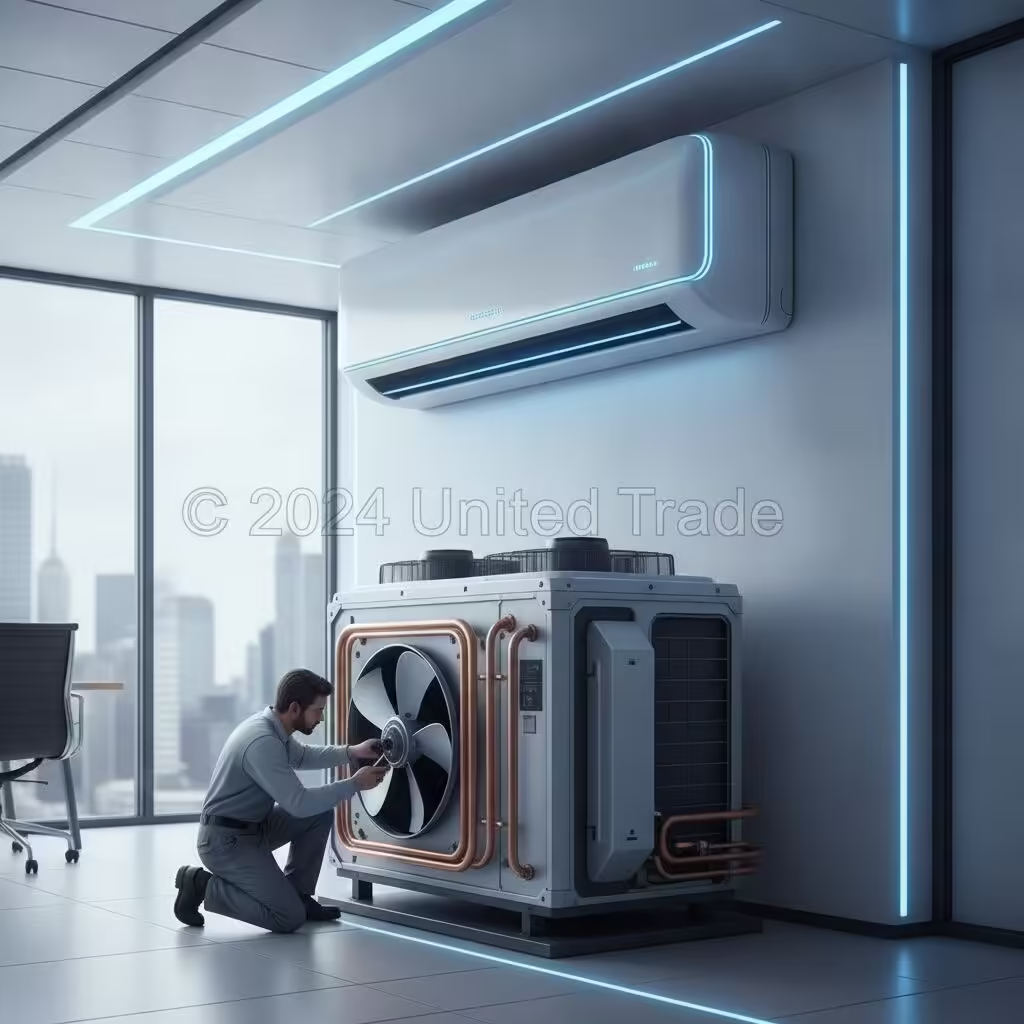
In our world today, where temperatures rise significantly in many places, the air conditioner has become an indispensable companion in every home. It is not just a tool for cooling the air, but rather a basis for peace of mind, tranquility, and ensuring a healthy indoor environment. Imagine that you are on the hottest days of summer, and suddenly your air conditioner stops working, or its performance begins to deteriorate! A moment like this can turn your peaceful day into a series of discomfort and anxiety. This is exactly where the importance of... Air conditioning maintenance household on a regular basis.
Many of us tend to ignore our air conditioners until signs of malfunction begin to appear, thinking that air conditioning maintenance is just an additional cost or a luxury that can be postponed. But the truth is that neglecting the maintenance of this vital device does not only affect the quality of the air we breathe or our comfort, but it directly increases energy consumption, which means an annoying rise in electricity bills, and may ultimately lead to very costly breakdowns that could have been easily avoided. In this comprehensive article, we will take you on a detailed journey to discover every angle related to the maintenance of your air conditioner: Why is it so necessary? What signals does your device send you to tell you that it needs care? What can you do yourself, and when is it necessary to hire professionals? How to ensure maximum efficiency and longer life for your device to keep your home an oasis of coolness and freshness.
In our constant pursuit of providing a comfortable and refreshing home environment, there is importance Home air conditioner maintenance As a basic pillar to ensure the continuity of its optimal performance and avoid sudden malfunctions. In addition to maintaining cooling efficiency and reducing energy consumption, regular maintenance contributes to significantly improving indoor air quality. When thinking about purchasing devices that combine efficiency and quietness,... Carrier inverter air conditioners It offers advanced solutions that meet these requirements. So, whether you're maintaining your current appliance or thinking about updating it, a thorough understanding of the care of these appliances is key to long-lasting comfort and a continued healthy environment.
Why is air conditioning maintenance indispensable? A smart investment for comfort that lasts
Understanding the true value of Air conditioning maintenance Regularly is key to getting the most out of your device. It's more than just keeping the room cool, it's an investment in your health, comfort, and financial savings in the long term. Let's dive into the reasons why regular maintenance is an indispensable necessity:
- Save energy and reduce bills: A well-maintained air conditioner, whose filters and coils are free of dust and dirt, operates much more efficiently. When dust builds up on the coils, the device has to work harder to cool the air, which means higher energy consumption. This extra effort translates directly into a higher monthly electricity bill. Studies indicate that regular maintenance can reduce energy consumption by between 5% and 15%, and this saving is not insignificant at all. It's a real difference you'll notice in your budget.
- Extending the life of the device: Just like any other car or mechanical device, your air conditioner needs constant care to prevent wear and tear and damage. Moving parts, such as motors and propellers, wear out over time if not well maintained. Regular maintenance detects small problems before they become serious, which reduces stress on the device's main components and ensures it runs smoothly for many years. This means you won't have to replace your device prematurely, saving you a significant investment.
- Improving indoor air quality: Have you ever thought about what you're really breathing in? The air filters in your air conditioner capture dust, pollen, pet dander, and other pollutants. If these filters are not cleaned regularly, they become a fertile environment for bacteria and mold to breed. Not only does this result in unpleasant odors, but it also contributes to deteriorating indoor air quality, which can exacerbate allergy and asthma problems, and negatively impact your overall respiratory health. A clean air conditioner guarantees you clean and refreshing air, free of pollutants.
- Maintain cooling and heating efficiency: The main goal of an air conditioner is to provide a comfortable environment. If your appliance has maintenance issues, it will not be able to reach the desired temperature as efficiently, and may not be able to control humidity as effectively. This means that you may find yourself raising the temperature in the winter or lowering it excessively in the summer to no avail, which wastes energy and does not achieve the desired comfort. Maintenance ensures that the device delivers optimal performance in all conditions.
- Avoid sudden and costly breakdowns: No one wants their air conditioner to break down in the height of summer. Regular maintenance acts as a preventative check, as technicians are able to identify parts that are starting to wear out or showing signs of weakness. Detecting these problems at their beginning prevents them from turning into major malfunctions that require expensive repairs or even replacement of major parts such as the motor or compressor. It is a proactive step that protects you from unpleasant surprises and unexpected expenses.
Clear Signs: When Does Your Air Conditioner Tell You It Needs Care?
The air conditioner speaks its own language, but it is a clear language if you know how to listen to it. Paying attention to some warning signs can save you a lot of time, effort and money. Do not ignore these signs, they are proof that Maintaining your air conditioning It has become an urgent necessity:
- Poor air flow: Do you feel that the air coming out of the air conditioning vents is no longer as strong as it used to be? Does it seem like it's running very slowly, unable to cool the room effectively? This is one of the most common signs. The cause may be as simple as the filters becoming clogged with dust and dirt, significantly impeding airflow, or it may indicate a larger problem with the internal fan or even the air ducts themselves.
- Strange and unusual sounds: The air conditioner should work relatively quietly. If you start hearing unusual noises like clicking, buzzing, rattling, squeaking, or even a metal-clacking sound, this is an alarm bell. These noises may indicate mechanical problems with the fans, vibrating parts, a problem with the compressor, or even a foreign object stuck inside the device. Every sound has its meaning and may require immediate intervention.
- Unpleasant and annoying odors: The air conditioner emitting abnormal odors is a clear indication of a problem. The smell of mold or wet dirt may indicate the buildup of mold and bacteria in the evaporator coils or in the drain line due to moisture. A burning smell indicates a serious electrical problem, perhaps burned wires or a damaged motor, and requires immediate unplugging. While a gas-like smell may indicate a refrigerant gas leak, which must be handled with extreme caution.
- Water leakage from the unit: Noticing water spots around the indoor or even outdoor unit is not normal. In the indoor unit, a leak often indicates a blockage in the water drain line, preventing condensate from draining properly and causing water to overflow. In the outdoor unit, a leak may be a sign of a problem with the cooling or drying system. Any water leaks should be checked immediately to prevent structural or electrical damage.
- Unjustified rise in electricity bills: If you find that your electricity bill has increased significantly without a change in your usage patterns, your air conditioner may be to blame. When the appliance operates at low efficiency due to dirt or malfunctions, it consumes much more energy to achieve the same level of cooling, which is directly reflected in the cost of your monthly energy consumption.
- Cooling or heating stops suddenly: The inability of the appliance to cool or warm the room at all is the most obvious symptom that there is a major problem. This could be due to a lack of refrigerant, a malfunctioning compressor, a problem with the control board, or even complex electrical problems.
- Short Cycling: If your air conditioner runs for short periods, then stops, and then starts again repeatedly, this is a phenomenon known as “short cycling.” It may be due to the wrong size of the device for the room, a problem with the thermostat, or even a severe lack of refrigerant. This problem increases energy consumption and negatively affects the life of the compressor.
- Increased humidity inside the house: One of the important functions of an air conditioner is to remove moisture from the air. If you notice that the humidity level inside your home has become high even though the air conditioner is running, the drying function of the device may be faulty and needs to be checked.
Air conditioning maintenance: What you can do yourself and what requires the hand of an expert
Air conditioner care can be divided into two main levels: simple maintenance that you can do regularly yourself, and deeper maintenance that requires the experience and tools of specialized technicians. Knowing the difference between them saves you time and effort and guarantees you the best results Air conditioning maintenance.
Simple maintenance steps you can take for amazing results (DIY)
There are basic, easy-to-perform tasks the average homeowner can do to keep their appliance efficient and postpone the need for a technician. These tasks don't require special tools or much experience, but they make a big difference:
- Clean or replace air filters regularly: This is the most important step you can take. Filters are the first line of defense against dust and dirt. They should be checked and cleaned or replaced every one to two months, or more frequently if you have pets or live in a dusty area. Dirty filters significantly impede airflow, which reduces cooling efficiency and makes the device work harder. Most internal filters can be removed and cleaned with soap and water, but disposable filters must be replaced with new ones.
- Cleaning the outdoor unit: The outdoor unit is the heart of the cooling system. Make sure it is free of any obstructions such as fallen leaves, twigs, dirt, or debris accumulated around it. There must be enough space around the unit to ensure free air flow. You can use a water hose to gently wash away surface dirt from the external condenser coils, being careful not to damage the sensitive fins.
- Drain Line Inspection: The drain line is responsible for draining condensate water from the indoor unit. Make sure this line is not blocked. Moisture can lead to algae and mold growth, causing blockages. You can pour a cup of white vinegar (not bleach) into your drain line regularly to clean it and prevent mold growth, which can prevent water leaks inside your home.
- Check thermostat settings: Make sure the thermostat is set to the correct “cooling” or “heating” settings and at the appropriate temperature for your comfort. It may seem obvious, but sometimes the problem is as simple as setting the thermostat to the wrong position or setting the wrong temperature.
- Ensure unobstructed airflow: Make sure that interior air openings (exits) are not covered by furniture, curtains, or other objects that restrict airflow into the room. Good airflow is essential for effective cooling distribution.
When should you hire a professional air conditioning technician? (specialized maintenance)
While simple DIY tasks can preserve your device, there are limits to what you can do. When the problem requires technical expertise or special tools, contacting a specialized technician becomes necessary. This not only protects your device, but also ensures your safety:
- Checking and charging refrigerant gas (Freon): This task is indispensable Preventive maintenance Specialized. Handling refrigerant gas requires special tools and equipment, and experience in dealing with these gases, which can be harmful if not handled properly. Technicians have the ability to measure refrigerant levels, identify any leaks, and recharge the device with the correct amount to ensure optimal performance and efficiency.
- Deep cleaning of evaporator and condenser: Although you may clean the outdoor unit yourself, the internal evaporator and condenser coils require deep and thorough cleaning with special chemicals and specialized brushes. These coils are crucial to the heat exchange process, and any accumulation of dirt on them significantly reduces the efficiency of the device.
- Inspection of electrical parts and mechanical components: This includes checking the wiring, capacitors, relays, motors, and compressor. Technicians can identify any signs of wear, damage, or potential for future failure, preventing serious malfunctions that could cause the device to stop completely. They also make sure that all connections are safe and effective, protecting against electrical hazards.
- Diagnosis and repair of complex faults: Any persistent strange noises, leaks that won't stop, a cooling problem despite cleaning, or a complete shutdown of the device all require professional intervention. Technicians have the experience and diagnostic tools to determine the root cause of the problem and make the necessary repairs.
- Schedule seasonal maintenance: It is recommended to schedule a professional inspection and maintenance of the air conditioner at least once a year, and preferably twice (once before the summer and once before the winter if the device operates with a heating and cooling system). This ensures that your device is ready to operate at peak efficiency during high-use seasons.
A practical step-by-step guide to home preventive maintenance
To get the most out of your air conditioner and ensure it works efficiently, follow these detailed steps within the program Preventive maintenance Your household. These steps are designed to be easy and safe to implement:
- Disconnect the power first and your safety first: This is the golden rule for any maintenance work. Before touching any part of the air conditioner, make absolutely sure that the power to it is disconnected from the main control panel (circuit breaker). This avoids the risk of electric shock and ensures your complete safety. Do not rely solely on turning off the device from the remote control.
- Journey with an air filter: from pollution to purity:
- Locate the filter: The air filter is usually located in the indoor unit, behind the front grille. In some systems, it may be in a return air vent in the wall or ceiling.
- Removing the filter: Open the protective cover or carefully pull the filter out of its designated place. You will often notice a visible buildup of dust and dirt on it.
- Cleaning or replacement:
- For washable filters: Use a vacuum cleaner to remove large surface dust, then rinse thoroughly with warm water and gentle soap. Make sure it dries completely in the open air before putting it back in place. A wet filter may cause mold growth.
- For disposable filters: These filters are not washable. Once it gets very dirty, it should be replaced with a new filter of the same type and size. Always keep some spare filters.
- Installation: Place the clean or new filter back in place making sure it is oriented correctly (there is usually an arrow indicating the direction of air flow).
- Outdoor unit care: Cooling core protection:
- Removing obstacles: Remove any fallen leaves, small twigs, weeds, or other debris accumulated on or around the outdoor unit. There should be at least 60cm of space around the unit to ensure effective airflow.
- Cleaning fins (coils): Use a soft brush or brush vacuum to remove dirt and grime from the metal condenser fins (the grille surrounding the unit). Be very careful as these fins are delicate and easy to bend or damage. You can also use a water hose to gently wash it from the outside in to remove any stuck-on dust.
- Fan cleaning: If the fan is easily accessible after removing the upper grille (after completely disconnecting the power), you can wipe the blades with a damp cloth to remove dirt.
- Drain line monitoring: a shield against leaks:
- Locate the line: It is usually a plastic hose that runs from the indoor unit to the outside.
- Visual inspection: Make sure there are no visible signs of blockage or leaks in the line.
- Preventive cleaning: You can slowly pour a cup of distilled white vinegar (not a strong chemical) into the drain line every few months. The vinegar will help dissolve any algae or bacteria that have begun to form and prevent blockages.
- Don't forget: A healthy environment around the unit: Make sure any plants or shrubs near the outdoor unit are well trimmed and do not obstruct air flow. Keep the area around the unit clean and free of anything that may interfere with its operation.
Choosing the right air conditioning technician: a partnership for comfort and safety
When a problem requires professional intervention, choosing the right HVAC technician or company is a critical decision. It's a partnership to ensure your comfort and the safety of your device. Feel free to research and ask questions to ensure you receive the best service:
- Experience, licensing and good reputation: Look for licensed and certified technicians who have years of experience maintaining and repairing different types of air conditioners. Check the company's reputation through online reviews from previous customers or ask for recommendations from friends and family. A reputable company is often an indicator of quality service.
- Transparency in prices and services: Before starting any work, request a detailed quote that includes the cost of parts, labor charges, and any possible additional fees. The company must be completely transparent about all costs. Beware of companies that offer vague quotes or insist on starting work without providing clear details.
- Warranty and after-sales service: A reliable company will provide a warranty on the spare parts installed and the work performed. Ask how long the warranty is and what it covers. Having a guarantee gives you peace of mind and confirms the quality of the service provided. After-sales service is also important if any problem arises after maintenance.
- Recommendations and reviews: In the age of the Internet, it has become very easy to search for customer reviews. Use search engines and review platforms to read about other people's experiences. Repeated positive impressions are a good indicator, while multiple negative reviews should be a warning factor.
- Responsiveness and availability: Is the company quick to respond to your inquiries? Can they schedule service at a time that's convenient for you? In emergency situations, do they provide 24-hour services? These details are important to ensure you get help when you need it most.
Beyond Cooling: The Many Benefits of Regular HVAC Maintenance
You may think that the only goal of air conditioning maintenance is to get cool air, but the truth is that investing in... Air conditioning maintenance Periodically, it brings you many benefits that go far beyond just effective cooling. It's a comprehensive strategy to enhance your quality of life inside your home:
- Significant savings on electricity bills: This is a tangible and direct benefit. When your air conditioner is operating at peak efficiency, it needs much less energy to achieve the same level of cooling. It is estimated that well-maintained air conditioners can save you up to 15% on your monthly air conditioning electricity bill. Imagine the amount of savings over an entire year!
- Comfortable and stable indoor environment: A properly functioning air conditioner not only cools the air, but also controls the humidity level. This ensures a more comfortable indoor environment, free of annoying moisture or excessive dryness. Maintaining the device also ensures that it operates more quietly, which enhances the atmosphere of peace and quiet in your home.
- Protecting the environment and reducing the carbon footprint: Less energy consumption means not only saving money, but also reducing reliance on energy sources that may harm the environment. When your air conditioner is effective, it contributes to reducing harmful carbon emissions, making you part of the solution in the fight against climate change and helping to protect our planet for future generations.
- Cleaner, purer air and better health: Clean filters and healthy air systems significantly reduce the presence of allergens, dust, mold, and bacteria in the air you breathe. This is especially critical for people with allergies, asthma, or respiratory problems. Fresh air contributes to improving sleep quality, reducing colds, and a general feeling of vitality and activity.
- Prevention is better than cure: avoid sudden malfunctions: Regular maintenance greatly reduces the possibility of your device stopping working at the most inopportune times, such as on the hottest summer days. It gives you peace of mind and avoids the stress and inconvenience caused by a sudden breakdown, as well as the unexpected costs of emergency repairs.
- Increase the value of your home: An efficient, working air conditioner in excellent condition is a valuable addition to any home. If you think about selling your home in the future, having a modern air conditioning system and...Regular maintenance It makes it more attractive to potential buyers and may increase its competitive price in the market.
Additional tips to boost your cooling efficiency
To achieve maximum comfort and energy savings, there are some additional tips you can incorporate into your air conditioner maintenance program:
- Using Smart Thermostats: These advanced devices let you control your home's temperature remotely, learn your usage patterns, and automatically adjust the heat to save energy when you're not home or while you're sleeping. Investing in it can save you a lot in the long run.
- The importance of good insulation for the house: Even the best air conditioner won't be effective if your home lacks good insulation. Make sure that your home's walls, roof, and windows are adequately insulated to prevent cold air from leaking in and heat coming in from outside.
- Windows and curtains: natural protection from heat: Use blackout curtains or blinds on windows, especially those facing direct sunlight during the hottest parts of the day. This significantly reduces the amount of heat entering your home and reduces the load on your air conditioner.
- Close doors and windows: Make sure all doors and windows are tightly closed when the air conditioner is running. It seems obvious, but it is a common mistake that leads to a huge waste of energy.
- Avoid internal heat sources: Limit the use of appliances that generate heat inside the home during peak hot hours, such as ovens, clothes dryers, and even old heat-emitting lights.
Conclusion: Your investment in maintenance is an investment in your quality of life
In conclusion, it is clear to us that taking care of... Air conditioning maintenance Your home is not just a technical undertaking, it is a real investment in your comfort, health, and long-term financial savings. By committing to a regular maintenance program, whether with simple tasks that you can do yourself regularly, or by hiring professionals to provide extreme care, you ensure that your air conditioner will perform at its best possible condition. It will provide you with fresh and clean air, and will significantly reduce energy consumption, ensuring you an ideal home environment in which you can enjoy peace and comfort throughout the seasons. Don't let neglect deprive you of the many benefits that a well-functioning air conditioner has to offer. Make the right decision today, and invest in maintenance to ensure the quality of your life and the comfort of your home for many years to come.
















TQTAG75 Community dialogue
0 comments