
Is it possible to reuse the old wiring network for modern devices?
The shift towards installing modern cooling devices that operate on environmentally friendly gases requires a careful assessment of the previous network condition. In most cases, old Freon pipes are not prepared to withstand advanced gas pressures such as R410A or R32, in addition to the possibility of contamination of the pipes with deposits of previously used mineral oil. Accordingly, it is always recommended to replace the entire network, or perform an extensive hydraulic-chemical washing of the copper lines and check their thickness by specialized technicians before making the final decision.
Common mistakes during installation and preparation of cooling networks
Ill-conceived practices during the initial construction phase lead to complex operational problems that negatively affect the efficiency of the compressor and the lifespan of the system. These failures range from technical violations to implementation defects resulting from lack of experience on the site.
- Cracking of structural concrete such as columns and beams to pass copper lines, which threatens the structural integrity of the building.
- Making sharp bends at levels less than half the permissible diameter of the pipes, which causes suffocation of the flow of Freon within the circuit.
- Leaving pipe openings exposed to the open air without tight seals, which allows dust and rain to enter the pipe cavity.
- Forgetting to conduct nitrogen pressure tests to ensure that the tracks are free of leaks before burying the lines with construction materials.
- Mixing water drainage paths with electrical extensions in one channel without separating insulators, which increases the possibility of an electrical short circuit.
Technical comparison between the types of copper used in cooling extensions
The ability of cooling lines to withstand pressures and climatic conditions varies based on the thickness of the pipe walls and the type of alloy used. The following table helps determine the optimal type of residential or commercial project:
| Copper alloy type | Approximate wall thickness | Internal pressure tolerance level | Common field use |
|---|---|---|---|
| Type K solid brass | Very high (more than 1.2 mm) | Ultra durable to high pressures | Industrial projects and major underground central cooling networks |
| Type L flexible copper | Medium to high (0.8 to 1.0 mm) | High and ideal for R410A gas | Separate housing units and concealed air conditioning equipment |
| Type M copper | Relatively thin (less than 0.7 mm) | Low and cannot withstand extreme pressures | Light domestic water distribution applications and some minor works |
Standards for inspecting and receiving cooling lines before finishing
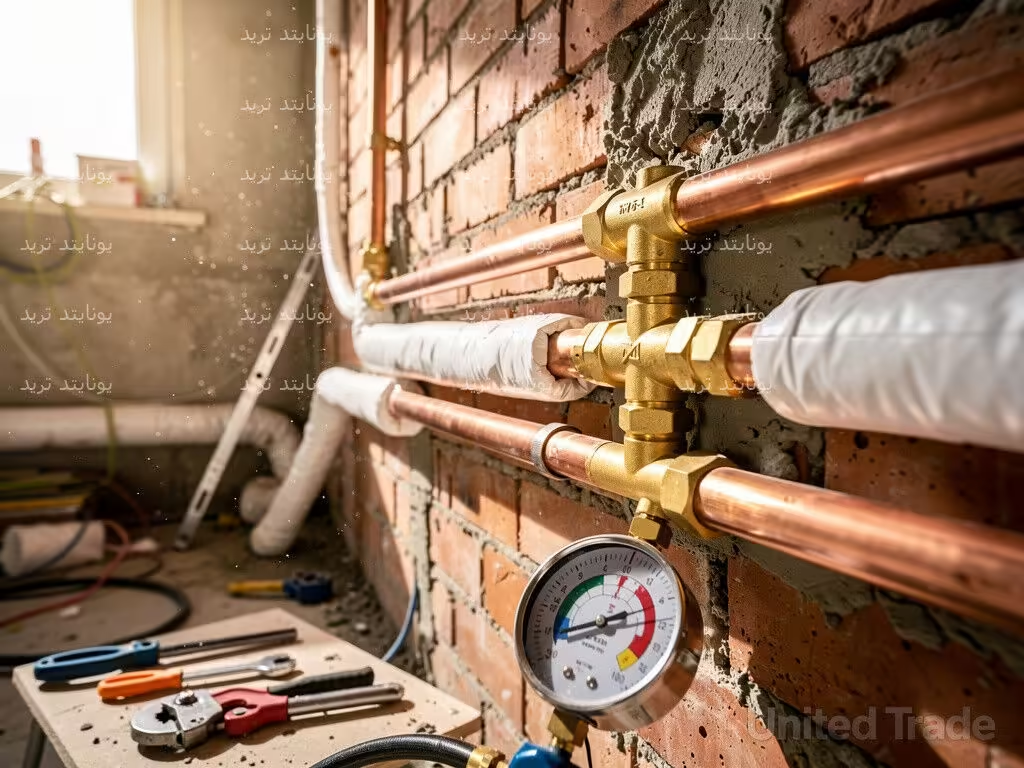
The engineering receipt stage is the decisive step to ensure quality Establishing pipes Air conditioning and avoiding material losses resulting from damage to paint and plaster later. The network must undergo a strict inspection protocol that begins with injecting the copper system with dry nitrogen gas under a pressure of up to 450 pounds per square inch, while monitoring the pressure gauge indicator for a period of no less than twenty-four continuous hours to ensure that there are no hidden leaks.
The field inspection also includes checking the continuity of the thermal insulation and the absence of any tears resulting from the pipes rubbing against the edges of the rough walls. In addition, specific amounts of water are poured into the air conditioner drain pan to test the efficiency of the tendencies and ensure that the water exits smoothly without any backflow towards the interior wall.
The stage of equipping modern buildings requires careful knowledge of how to... Establishing pipes Air conditioning to protect the facility from wall damage and ensure the highest possible cooling efficiency. This guide helps you learn about the professional rules for extension and choose geometric diameters that match the size of your refrigeration units. As a result, you will save significant costs that may result from crushing or rerouting after the final interior decoration is completed.
Quick answer
Establishing pipes Air conditioning involves pre-preparing the copper network, water drainage lines and electrical wires inside the walls before finishing. This procedure has the advantage of protecting cooling efficiency, preventing leaks and preserving the interior aesthetic appearance of the building without subsequent cracking.
The importance of planning copper routes before the conch stage
Pre-planning the route of the Freon lines is the key to preventing the cooling networks from becoming clogged or being punctured by decorative nails. Accordingly, the professional technician accurately measures the distances between the planned indoor unit and the outdoor unit on the roof or inside the facade. It should be noted that any unaccounted twist in the pipes increases the dynamic resistance of the refrigerant, which directly fatigues the air compressor.
In addition, carefully preparing the tracks prevents the copper pipes from rubbing against the solid concrete, causing corrosion of the metal walls over time. Moreover, this prior arrangement facilitates the process of pulling and replacing cooling lines in the future when needed without compromising the concrete structure of the surrounding walls.
Steps to install technically approved air conditioning piping
The first step always begins with precisely determining where the indoor unit will be installed to ensure that the air is distributed at an angle that covers the entire room evenly. For example, it is recommended to stay at least fifty centimeters away from any wall corner to avoid the cooling current returning once it exits. Next, the wall is incised with an electric missile at a specific depth that accommodates the thermal insulation and pipes in an integrated manner.
- Determine vertical and horizontal paths and accurately place notch marks on walls.
- Install the copper pipes inside a plastic protection sleeve that prevents compression of the mortar and cement.
- Install a water drainage line with a clear, smooth slope of no less than one centimeter per linear meter.
- Press the copper mesh with dry nitrogen gas and ensure that the pressure remains constant for twenty-four hours.
- Close the ends of the pipes with tight welding or special tape to prevent the entry of moisture and impurities during construction.
Technical standards for choosing copper diameters and Freon insulation
Choosing the correct copper diameter depends on the horsepower of the cooling device and the quality of the cooling medium used in the operating circuit. It should be noted that installing inappropriate diameters reduces the efficiency of heat exchange and doubles electrical energy consumption without significant benefit. In return, adherence to the manufacturer's catalog ensures a smooth flow of lubricating oil back to the compressor motor during continuous operating cycles.
As for insulation, the use of closed rubber foam materials prevents the condensation of water vapor, which leads to rotting of paints and deformation of walls. Therefore, the copper suction line must be completely isolated from the liquid line before wrapping them together with protective plastic tape.
The tracks are contaminated with previous mineral oil deposits, which requires strict engineering procedures to be followed New air conditioning installation To ensure the efficiency of the refrigeration cycle and the safety of the compressor. This includes replacing old copper lines or completely washing them chemically, while ensuring that the diameters and thickness of the pipes match the approved technical specifications of the modern system.
Accumulation of old mineral oils, which requires the assistance of experts in the procedure Comprehensive air conditioning maintenance To clean pipes with compressed nitrogen and test their durability against leaks. This technical inspection protects the new compressor from premature damage and ensures that the system operates at the highest possible operational efficiency.
To ensure full compatibility with these systems, a process must be initiated Welding and installing pipes Copper properly ensures that the tracks are free of any impurities or old oil deposits. Executing the connections with high precision and using appropriate welding techniques is the only guarantee to prevent the leakage of high-pressure gases and avoid future technical malfunctions.
Implementing any cooling project requires taking into account clear engineering principles, starting with examining the site and accurately determining water drainage paths, in order to avoid any leaks that may harm the infrastructure. It is also important to adhere to controls Installing air conditioning according to standards Occupational safety is a fundamental pillar for protecting technicians and ensuring the efficiency of equipment and the stability of its electrical performance in the long term.
The efficiency of the entire system depends on following precise technical steps New air conditioning installationThis begins with ensuring that the diameters and thickness of the pipes are appropriate to withstand high gas pressures and avoid future leaks. This process also includes completely emptying air and moisture using a vacuum pump to ensure optimal cooling performance and protect the compressor from damage.
The lines are contaminated with residues of spent mineral oil, which requires a careful and comprehensive inspection of all lines to ensure cooling efficiency and compressor safety. Here the importance of hiring experts emerges Air conditioning maintenance Certified to perform chemical pipe washing and nitrogen pressure testing before commissioning the new system. This procedure ensures that any future leaks are avoided and advanced devices are protected from premature damage.
The accumulation of old oils inside pipes constitutes a serious technical obstacle that often leads to... New compressor damaged Immediately upon operation. Therefore, it is highly recommended to perform a thorough and arduous cleaning of the tracks or replace them completely to ensure efficient cooling and avoid sudden malfunctions that may cost you additional investments later.
| The horsepower of the device | Suction line diameter (gas) | Liquid line diameter | Recommended thermal insulation thickness |
|---|---|---|---|
| 1.5 hp | 3/8 inch | 1/4 inch | 9 mm |
| 2.25 hp | 1/2 inch | 1/4 inch | 9 mm |
| 3 hp | 5/8 inch | 1/4 or 3/8 inch | 13 mm |
| 5 hp | 3/4 inch | 3/8 inch | 19 mm |
Mistakes to avoid while extending air conditioning lines
Some craftsmen make the mistake of bending copper by hand without using a mechanical bending tool designed for this delicate task. As a result, the internal copper duct is choked, creating sharp pressure differences that negatively affect the air conditioning compressor. In other words, this invisible constriction causes the compressor to burn out within a very short period of time.
Tracks are contaminated with residual mineral oils that are not compatible with modern systems. Hence the importance of following artistic principles New air conditioning installationTo ensure that the pipes are replaced with copper sections of approved thickness that prevent refrigerant leakage and maintain the efficiency of the compressor. Careful inspection of the wiring avoids frequent breakdowns and ensures that the equipment reaches its maximum operating capacity safely.
Moreover, neglecting to pressure test the cooling network with nitrogen before the spawning and oyster stage is one of the most dangerous and common negligences of all. Therefore, the quality of welds and expansion connections must be checked via a pressure gauge for several days to avoid any subsequent Freon leaks that are difficult to detect.
- Use low-thickness commercial copper that cannot withstand the pressures of modern gases such as R410A.
- Assembling the drain line with open ventilation lines, allowing unpleasant odors to return to residential rooms.
- Avoid installing the copper track with galvanized iron jumpers every meter to prevent it from sagging inside the wall.
- Leaving pipe ends exposed at the construction site, allowing dust and moisture to accumulate inside the circuit.
Rules for equipping drainage lines and the electricity network
The water drainage path requires a continuous natural slope to prevent water stagnation, the proliferation of harmful bacteria and unpleasant odors inside the room. In addition, it is preferable to insulate drainage pipes passing through false ceilings to protect the gypsum boards from condensation dew drops. In contrast, drainage systems should be connected directly to storm drains or plumbing sewers equipped with odor-blocking siphons.
From an electrical standpoint, signal and feed cables with sizes corresponding to the device load must be extended from the main breaker panel. In addition, the air conditioning line must be disconnected with its own single circuit breaker without loading any other electrical outlets on it to ensure complete safety.
Frequently asked questions
What is the best time to start installing air conditioning ducts in the building?
The best time for implementation is after the completion of the initial sanitary and electrical installations and immediately before the start of the plastering and plastering works. This timing ensures the ease of breaking down the walls without altering the final finishes of the place.
How can I be sure of the quality of copper used in the foundation?This can be checked by selecting genuine Korean or South African brass and looking at the numbers printed on the tubes to confirm their thickness. The thickness of the metal wall of the pipe should not be less than eight-tenths of a millimeter to withstand high pressures.
Should the intake pipe and exhaust pipe be insulated together?
No, each pipe must be completely insulated separately using high-quality rubber insulation to prevent heat exchange between them. After completing the individual insulation of each line, they can be wrapped together with adhesive tape to protect them and regulate their general shape.
Why are the pipes pressurized with nitrogen gas and not regular air?
Dry nitrogen is used specifically because it is an inert gas that absorbs moisture, does not react with copper, and does not cause any oxidation like regular air. Furthermore, nitrogen precisely detects the tiniest holes in cooling lines when high pressure is applied.
When should an oil trap be installed in the air conditioning piping network?
An oil trap must be installed when the outdoor unit is higher than the indoor unit by a vertical distance exceeding three metres. This trap helps facilitate the regular return of lubricating oil stuck with the refrigerant to the compressor motor.
Where is it preferable to place the air conditioning water drain outlet?
It is preferable to direct the drainage outlet towards a designated drain or rainwater drainage line and avoid discharging it onto the external facades. This prevents deformation of building paints and limits moisture accumulation on the exterior walls.
Next steps for successful implementation
Investing in installing air conditioning ducts using sound engineering methods represents a long-term guarantee for the safety of your home and the efficiency of cooling devices in summer and winter. Make sure to choose certified technicians and avoid poor-quality materials to avoid problems with leaks and odors in the future. Start now by determining your rooms' engineering needs and request a specialized technical inspection before starting the finishing phase.
















TQTAG76 Community dialogue
0 comments