
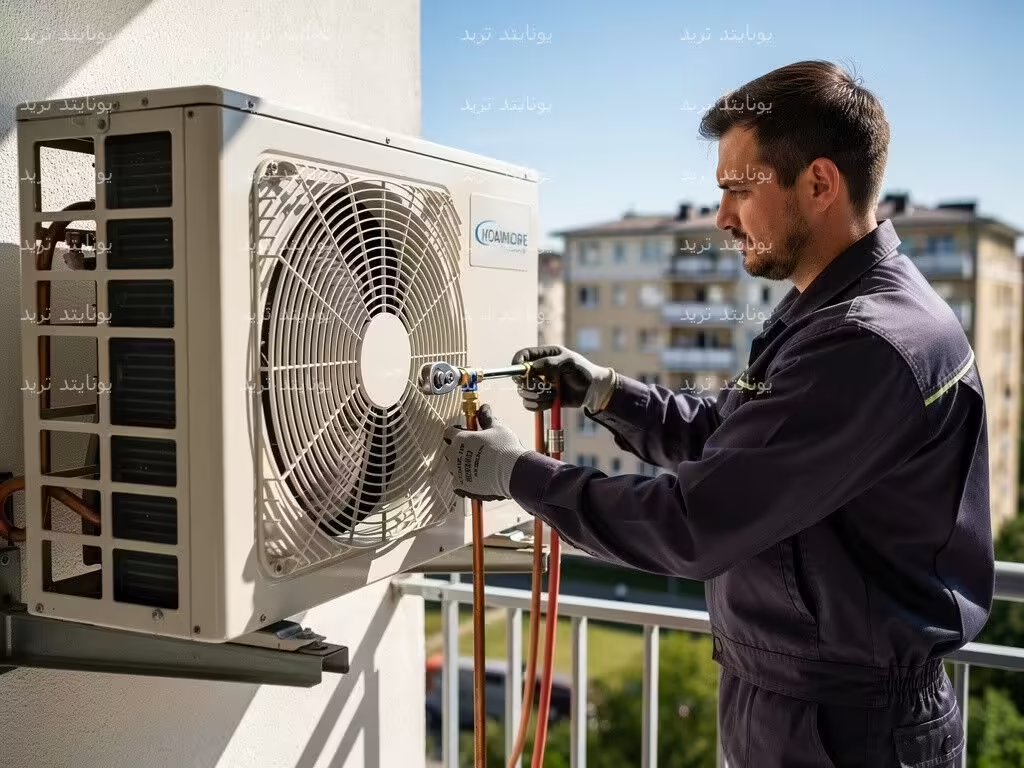
Implementation of a project Air conditioning installation At home, it is a pivotal step to ensuring a comfortable indoor environment during the summer and high temperature seasons. This process requires extreme technical precision, which is not only limited to hanging the devices, but also extends to the complex cooling network and electrical connections. In this specialized article, you will learn about the engineering standards and practical steps that ensure the highest airflow efficiency while saving energy bills and avoiding premature malfunctions.
Quick answer
practical Air conditioning installation It is an integrated engineering procedure that connects the internal and external cooling units through insulated copper pipes and an independent water drainage path. Professional installation features vacuum pump air intake, moisture extraction and Freon pressure testing to ensure maximum cooling efficiency and prevent surprise leaks.
How to choose the appropriate capacity before purchasing the device?
Determining the cooling capacity of the device represents the first pillar of the success of any sustainable home cooling process. The accurate calculation depends on measuring the area in square meters and matching it precisely to the size of the thermal loads inside the room. For example, a 12 square meter room needs a minimum of 1.5 HP to ensure effective cooling.
In addition, the thermal insulation of the walls and the presence of glass windows play a prominent role in determining the actual cooling load. Therefore, the capacity must be increased by 20% if the room is located on the last floor directly exposed to the hot sun. It should be noted that choosing an inappropriate cooling capacity leads to compressor fatigue and significantly higher electricity consumption.
Tools and technical equipment necessary to complete the work
The quality of the field installation depends on the use of specialized technical equipment to ensure that Freon paths or sensitive device components are not damaged. Standard torque fasteners and electronic pressure gauges must be provided to precisely adjust required industry standards.
- Vacuum pump to extract moisture from the closed circuit.
- Manifold pressure gauge device to accurately monitor refrigerant gas levels.
- Flare tool for tightening the ends of copper pipes very tightly.
- Digital water level to adjust the integrity of the unit and prevent stagnant water from accumulating.
- Mechanical torque wrench to tighten nuts to the force specified in the manufacturer's manual.
Step-by-step installation stages of the indoor unit
Installing the indoor unit requires choosing a strong wall that can bear the weight and provide optimal, unobstructed distribution of cool air inside the room. You should avoid placing the device near direct heat sources or on top of sensitive electrical appliances to prevent sudden damage in the event of any unexpected condensation.
Determine the location and installation of the bearing plate
The technician begins by installing the back metal plate with solid mounting screws after adjusting it to complete horizontality with the water level. As a result, condensation water flows very smoothly into the dedicated drain hose without dripping on the inner wall. Furthermore, a distance of at least 15 centimeters must be left between the ceiling and the top of the unit to ensure that air is drawn in completely freely.
Wall holes and technical extensions
A slanted hole is created with a slight outward slope, with a diameter of about 7 centimeters, to facilitate the flow of water and the passage of the bundle of pipes. This package includes two copper suction and exhaust lines, electrical signal cable and ribbed drain hose. All these lines are then insulated with moisture-tight, thermal adhesive tape to avoid any future cooling losses.
Engineering standards for installing the outdoor unit
The outdoor unit is the heart of the air conditioning system as it contains the compressor and condenser responsible for expelling the absorbed heat to the outside air. Therefore, its placement requires choosing a shaded, well-ventilated place that is easily accessible to carry out regular maintenance effortlessly.
The outdoor unit is usually mounted on sturdy metal cables embedded in a concrete wall or on a ground base raised off the floors. In contrast, vibration-absorbing rubber pads should be placed under the mounting legs to isolate noise and prevent vibrations from being transmitted to the building structure. It is very necessary to provide a distance of no less than 30 centimeters behind the condenser and 100 centimeters in front of it to avoid the phenomenon of thermal return.
Comparison table between the types of air conditioners available
Cooling systems vary in their efficiency and suitability for different spaces depending on the design of the unit and the engineering method of installation.
It is considered a stage Establishing cooling pipes The vital artery of the entire air conditioning system, as the appropriate copper diameters must be chosen and thermally insulated precisely to prevent Freon leakage or water condensation inside the walls. Proper expansion also requires thoughtful paths with the least number of bends to ensure the refrigerant flows with high efficiency and extend the life of the air compressor.
The quality of the cooling system does not end once the installation is completed, but rather its continued high efficiency depends on a procedure Regular air conditioning maintenance Protects mechanical components from sudden wear. Regularly checking refrigerant levels and cleaning filters helps reduce energy consumption and avoid costly breakdowns in the long term.
Have a stage Air conditioning duct extension It is extremely important to ensure the flow of the refrigerant without any heat losses that negatively affect the efficiency of the system. This requires careful thermal insulation steps and nitrogen pressure tests to ensure the tracks are free of any potential leaks before final commissioning.
Your responsibility does not end with a successful installation. Rather, a more vital stage begins, which is developing a comprehensive preventive plan to maintain cooling, through periodic procedures that include careful mechanical cleaning of the units and adjusting the thermostat parameters. Sticking to a schedule Air conditioning maintenance Regular operation ensures sustainable operational efficiency, and prevents high energy consumption resulting from cumulative malfunctions.
It is considered a stage Establishing cooling pipes The vital artery of the entire air conditioning system, as it requires precisely selecting the appropriate copper diameters and insulating them with the highest quality standards to ensure efficient Freon flow. Proper expansion and carefully thought-out routings also help avoid any future leaks that may negatively affect compressor performance and maintenance costs.
The efficiency of the system after installation is not complete unless a periodic schedule is followed Regular air conditioning maintenance Ensures that the cooling media level is checked and the filters are cleaned thoroughly. This preventive measure contributes to avoiding sudden compressor malfunctions and extending the life of the operating units for as long as possible.
The quality of the system does not end only with the completion of proper installation, but extends to the necessity of conducting Regular air conditioning maintenance Protects mechanical components from sudden wear. This regular check helps clean filters and adjust refrigerant levels to ensure clean airflow at peak operating efficiency.
| Type of air conditioning system | Suitable space | Installation difficulty level | Energy consumption rate |
|---|---|---|---|
| Wall split air conditioning | Single rooms and small spaces | Average and requires a professional technician | Low to medium (saver) |
| Concealed concealed air conditioning | Villas and open offices | Complex and requires ductwork | Medium to high |
| Central air conditioning package | Complete buildings and vast spaces | Very high and requires cranes | High, but with high cooling efficiency |
| Traditional window air conditioning | Narrow spaces and attached rooms | Simple and fast | Relatively high compared to modern capacities |
The importance of the vacuum air discharge process in cooling circuits
The step of emptying air using a vacuum pump represents a dividing stage between amateur work and internationally approved engineering work in cooling systems. Moisture trapped inside the tubes reacts with the compressor oil, creating acids that corrode mechanical parts and clog tiny capillary valves.
It is considered a stage Establishing copper pipes The vital artery of the entire air conditioning system, as it requires the selection of precise diameters and tight thermal insulation that prevents moisture condensation and loss of cooling efficiency. Extending this network inside the walls also requires thoughtful paths to avoid sharp bends that may impede the flow of the cooling medium between the internal and external units.
- Connect the manifold hoses to the service port to the gas valve in the outdoor unit.
- Run the vacuum pump for at least 20 minutes to reach a pressure of 500 µmHg.
- Stop the pump and monitor the pressure gauge for 10 minutes to ensure that the reading is stable and that there is no leakage.
- Open the gas valves slowly and gradually to allow the refrigerant to flow into the vacuum network.
Testing and safe initial commissioning procedures
The operating protocol begins with turning on the air conditioning electrical switch after ensuring that the electrical voltage and the size of the thermal breaker match. It should be noted that it is necessary to measure the electrical current draw in amperes using an ampere pendant device while the compressor is running at full operating capacity.
Furthermore, the temperature difference between the air entering the indoor unit and the air leaving the distribution vents is measured. This difference must range between 8 to 12 degrees Celsius in normal weather conditions to confirm that the cooling cycle is working completely successfully. In the event of any abnormal sound or water droplets leaking, the power must be disconnected immediately and the drainage path must be adjusted or the load-bearing structure must be installed.
Frequently asked questions
What is the allowed distance between the indoor and outdoor unit?
The standard recommended distance is between 3 to 5 meters to achieve optimal gas pressure balance without increasing compressor stress. Exceeding a distance of 10 meters without additional charging of the refrigerant compound results in a noticeable decrease in the overall cooling efficiency of the device.
Is it possible to install air conditioning without vacuuming the circuit?
It is absolutely not correct to dispense with the vacuum pump; Because the trapped air contains moisture that damages the compressor valves and causes ice blockage in the expansion valve. This non-technical practice leads to a decline in the device's efficiency and permanently voids the manufacturer's warranty.
How do I ensure that the air conditioning water is drained successfully?
The drain path can be tested by slowly pouring a cup of water into the condensate pan under the indoor unit evaporator before closing the plastic cover. If the water flows immediately out of the outer end of the hose without reflux, the drain path is intact and free of blockages.
Where is it preferable to place the external unit of the air conditioner?
It is preferable to place the outdoor unit in a shaded, open place that provides continuous air movement and is not exposed to direct sunlight throughout the day. Make sure it is far from car exhaust outlets or kitchens to avoid the accumulation of oils and dust on the condensation coils.
What is the difference between insulated copper pipes and exposed pipes?
Insulated copper pipes protect the refrigerant from external heat gain and prevent harmful condensation that leads to corrosion of walls and damage to paints. On the other hand, uninsulated ducts cause a significant waste of cooling energy, amounting to more than 25% of the total efficiency of the device.
Conclusion
Requires project Air conditioning installation Great attention to engineering details, from thermal calculations to approved field pressure tests. Relying on the right standards will help you enjoy a cool, comfortable and energy-efficient atmosphere for many years. Do not hesitate to inspect your air conditioning network periodically and seek the help of certified specialists to protect your home investment.
















TQTAG76 Community dialogue
0 comments