
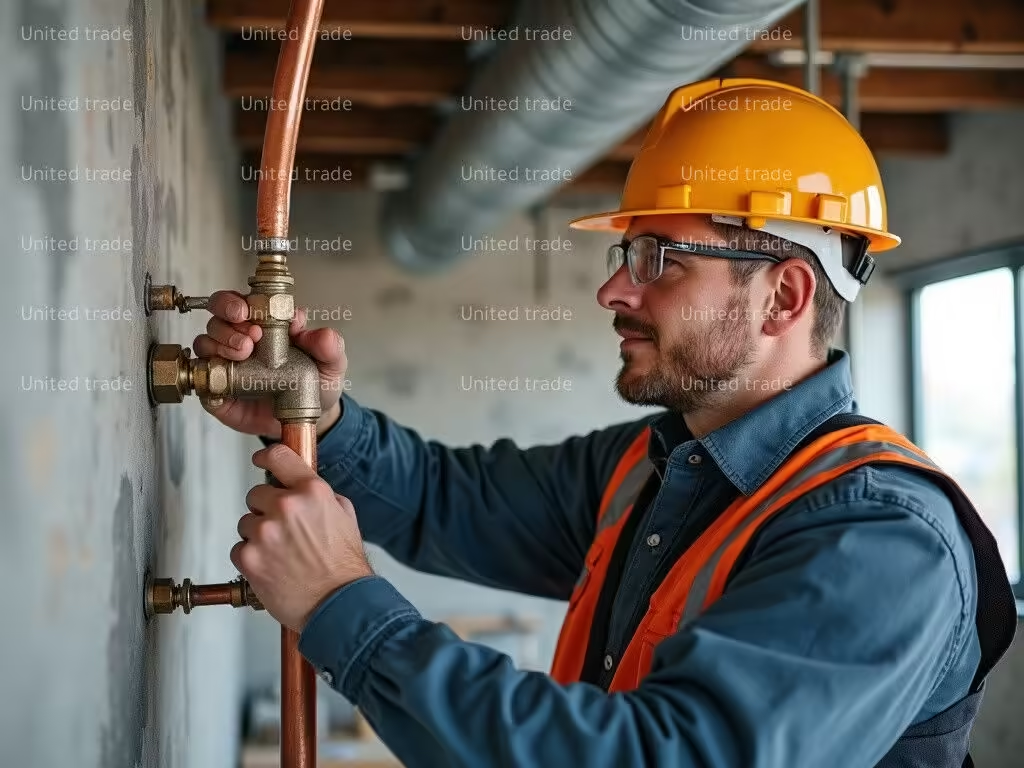
The importance of professional thermal insulation for copper pipes
The process does not stop Installing air conditioning ducts When extending and connecting pipes, the importance of thermal insulation is highlighted as a crucial element to ensure cooling efficiency and prevent energy loss. Each copper pipe (liquid line and gas line) must be separately wrapped with rubber insulator (Armaflex) of suitable thickness, usually not less than 9 mm to 13 mm depending on climate conditions and size of the air conditioner.
The effect of condensation on building safety
When cold refrigerant gases pass through pipes without adequate insulation, dew drops form on the surface of the pipe as a result of the surrounding hot air meeting the cold surface. This accumulated moisture may lead to:
- Mold and fungi growth inside wall cavities and false ceilings.
- Damage to the paint and gypsum boards surrounding the air conditioning outlets as a result of moisture leakage.
- Long-term corrosion of copper pipes due to oxidation.
- Low cooling efficiency, as the compressor exerts double effort to compensate for the cold lost through the walls of uninsulated pipes.
Criteria for choosing insulation material
The insulation material must be fire-resistant and have a very low coefficient of thermal conductivity. It is necessary to ensure that all joints between the insulation pieces are closed using special adhesive tape (PVC Tape) to ensure that there are no gaps that allow air to pass through, as the smallest opening in the insulation may cause the accumulation of water droplets that will later appear in the form of moisture spots in your home.
Technical considerations for distributing pipe routes within walls
Good piping routing reduces piping length, which in turn improves outdoor unit performance. The longer the pipes, the greater the load on the compressor and the system requires larger amounts of Freon, in addition to the loss of pressure along the path.
Avoid sharp bends and twists
Spring Benders should be used instead of violent manual bending. Sharp bends lead to:
- Narrowing the diameter of the copper pipe, which hinders the movement of refrigerant gas.
- The possibility of micro-cracks in copper may not appear during testing but cause slow leakage years later.
- Increased noise resulting from gas friction due to twists resulting from poor implementation.
Technical comparison table for the types of pipes used
| Comparison | Thick wall copper pipes | Thin-wall copper pipes | Counterfeit pipes (not approved) |
|---|---|---|---|
| Endurance under pressure | Very excellent | good | Very weak |
| Ease of bending | Flexible and durable | You need precision | It gets punctured easily |
| Shelf life | Very high | middle | low |
| Compatibility with R410A/R32 gases | ideal | acceptable | insecure |
Common challenges in work sites and how to deal with them
During a stage Installing air conditioning ductsThe technical team may encounter structural obstacles that require innovative engineering solutions without compromising the integrity of the building's concrete structure.
Dealing with concrete obstacles
It is strictly prohibited to break concrete columns or beams to pass air conditioning pipes. The ideal solution is to coordinate in advance with the structural engineer to determine alternative paths in the brick partitions or to leave openings (sleeves) during the pouring of concrete if necessary. If conditions dictate that the pipe pass through a sensitive area, diamond core drilling techniques should be used instead of random crushing that affects the integrity of the structure.
Protecting pipes during the finishing stages
After completion of foundation and before closing the walls, the ends of the pipes must be covered with plastic plugs to prevent the entry of dust, sand, or cement residue. The presence of a single speck of dust inside the refrigeration cycle may lead to the expansion valve becoming clogged in the future, which means stopping the air conditioning completely and requiring a chemical cleaning of the system, which is an expensive and complex process.
Frequently asked questions about technical establishment requirements
Can air conditioning pipes and electricity cables be passed in the same path?
This is not recommended at all. The cooling paths must be separated from the electrical paths to avoid electromagnetic interference and to facilitate future maintenance. Interference may cause malfunctions in the sensitive electronic boards of modern air conditioners.
What is the maximum height of the ducts from the indoor unit?
It depends on the factory specifications of the unit. In general, there is a maximum vertical height that prevents false oil return to the compressor. Exceeding this limit requires special designs such as (Oil Traps) to ensure continuity of lubrication of the compressor, otherwise it will be subject to rapid damage.
How do I ensure the quality of welding between the connections?
Welding must be done using nitrogen gas (Nitrogen Purging) inside the pipe during the welding process. This technology prevents the formation of black copper oxides inside the pipes, which act as impurities that may later clog the fine filters in the system.
Does the type of insulation affect the efficiency of the air conditioner in very hot climates?
Yes, in areas with high temperatures, it is preferable to use double-layer insulators or higher density insulators to prevent the transfer of external heat to the refrigerant gas, which keeps the gas cool until it reaches the indoor unit with the greatest possible efficiency.
Installing air conditioning ducts It is the most important technical stage that precedes the installation of cooling devices in buildings and homes to ensure their operation with high efficiency in the long term. The careful construction of pipes contributes to protecting the walls from moisture, reduces energy consumption, and ensures an ideal distribution of Freon gas between the internal and external units. Through this guide, you will learn about the engineering standards and practical steps to follow for a flawless installation.
Quick answer
Installing air conditioning ducts It is the process of installing an insulated copper network inside walls or ceilings to connect the indoor air conditioning unit to the outdoor one. Its quality depends on choosing appropriate pipe diameters, using high-quality thermal insulation, and ensuring drainage tendencies to prevent water accumulation. This measure protects the building structure and extends the life of the air conditioner.
Precise thermal insulation contributes to maintaining temperatures inside the pipes and preventing condensation that may cause damage to the walls or leakage of water inside the indoor unit. Relying on these practices ensures continuity Cooling efficiency It significantly reduces additional energy consumption resulting from cold loss during refrigerant transport.
The importance of advance planning before installing pipes
Advance planning is the first pillar of the process Installing air conditioning ducts Successfully, as it requires determining the locations of the units accurately before starting the finishing work. Accurate positioning helps avoid path collisions with electrical and plumbing installations, saving later modification costs.
This insulation also plays an essential role in preventing moisture condensation on pipes, which protects walls and ceilings from damage resulting from water leakage. Investing in Air conditioning maintenance Precision guarantees the safety of these insulators, which extends the life of the device and maintains the stability of its performance in the most severe temperature conditions.
Process dependent Dismantling and installing air conditioners Highly efficient thermal encapsulation accuracy to ensure that extensions are protected from water condensation and moisture. This preventive measure prevents the leakage of cold into the external environment, which maintains the Freon pressure inside the pipes and prolongs the life of the air conditioner.
This insulation works to protect pipes from volatile weather factors, which prevents moisture condensation and the formation of water droplets that may cause damage to the walls or unwanted leaks. The care bQuality thermal insulation It ensures sustainable performance of the air conditioning system and significantly extends the life of the device.
Count Carrier air conditioners An ideal model of integration between manufacturing quality and reliance on advanced cooling technologies that require an ideal operating environment to maintain its performance. To ensure the continuity of this efficiency, the precise thermal insulation of the copper pipes contributes to protecting the cooling cycle from external factors, which enhances the lifespan of the device and ensures significant savings in energy consumption.
Count Sharp air conditioners An ideal model of technical integration, its high performance depends on the quality of the foundation and the packaging of the pipes, which prevents water condensation and keeps the refrigerant gas cold. Choosing this type of air conditioner requires adherence to precise insulation standards, which ensures continued cooling efficiency for as long as possible.
The technical foundation is not limited to the initial extensions only, but also extends to include the rules of professional dealing when... Air conditioning transportation To guarantee Dismantle and install Safe for the device in any new location. A careful engineering approach to sensitive components protects cooling efficiency and extends the life of the entire system.
This protective system is completed when choosing... Carrier air conditioners It adopts advanced cooling technologies that require an ideal operating environment, as precise insulation ensures that the efficiency of the device is protected from thermal leakage. Adherence to stringent insulation standards enhances the outstanding operational performance for which Carrier devices are known and significantly extends their service life.
Sharp air conditioners come as an ideal model in integrating these precise technical standards with manufacturing quality, as they enhance the device's ability to maintain the required cooling levels in the harshest climatic conditions. The reliance on Sharp air conditioner efficiency The user is guaranteed a long-term economical operating experience, thanks to the perfect harmony between the quality of the internal components and the perfect thermal insulation processes.
Count Sharp air conditioners An ideal model in integrating advanced cooling technologies with precise thermal insulation of copper pipes, ensuring the flow of refrigerant without unwanted heat loss. This engineering compatibility between the quality of the device’s manufacturing and the craftsmanship of installation enhances the lifespan of the air conditioner and maintains ideal cooling levels in the harshest climatic conditions.
A stage comes Dismantling and installing air conditioners It represents a technical challenge that requires extreme precision in dealing with copper connections to ensure that the refrigerant gas does not leak. Professionalism in moving and reinstalling devices depends primarily on the integrity of the pipes and their insulation, which ensures the continued strong performance of the device after the transfer process.
come Carrier air conditioners It is an ideal choice based on these precise engineering standards, as its advanced technologies ensure the use of perfect thermal insulation to reduce heat loss to its lowest levels. This integration between quality manufacturing and installation gives the user an ultra-efficient cooling experience with economical energy consumption.
It also requires when Dismantling and installing air conditioners Maintain the integrity of the pipes and avoid bending or breaking them to ensure continued cooling efficiency. Careful handling of Freon lines during transportation operations prevents any future leaks and ensures that the device operates at maximum possible capacity without the need for frequent maintenance.
This professional insulation works to maintain temperatures inside the pipes and prevent moisture condensation that may lead to water leaks and damage to surrounding walls. Taking care of the quality of thermal insulation ensures the sustainability of the air conditioner’s performance and reduces the constant pressure on the compressor to ensure Cooling efficiency Idealism.
This thermal insulation acts as a protective shield that prevents water condensation that may lead to damage to the walls or reduced cooling efficiency due to external heat leaking into the cooling medium. Adherence to these technical standards in Air conditioning maintenance Homes and facilities ensures sustainable device performance and energy saving in the long term.
This insulation reduces heat exchange with the surrounding environment, preventing condensation that leads to water leakage and damage to the walls. It also contributes to the process Professional thermal insulation In maintaining the gas pressure inside the pipes, which ensures stable performance of the cooling system and extends the life of the device.
Determine extension paths
Paths are drawn on engineering drawings to ensure the shortest possible path between the indoor and outdoor unit. The shorter the length of the pipes, the greater the cooling efficiency and the less pressure on the air conditioning compressor.
Choosing appropriate pipe diameters
Copper duct diameters should be selected based on the horsepower or BTU capacity of the air conditioner. Using mismatched sizes causes a lack of Freon flow, leading to poor cooling and freezing of the internal evaporator.
Materials used in foundation processes
The foundation network consists of copper pipes, thermal insulators, and electrical wires compatible with the required thermal loads. The quality of these materials is the deciding factor in the sustainability of the system, so it is always recommended to purchase pure copper intended for cooling operations.
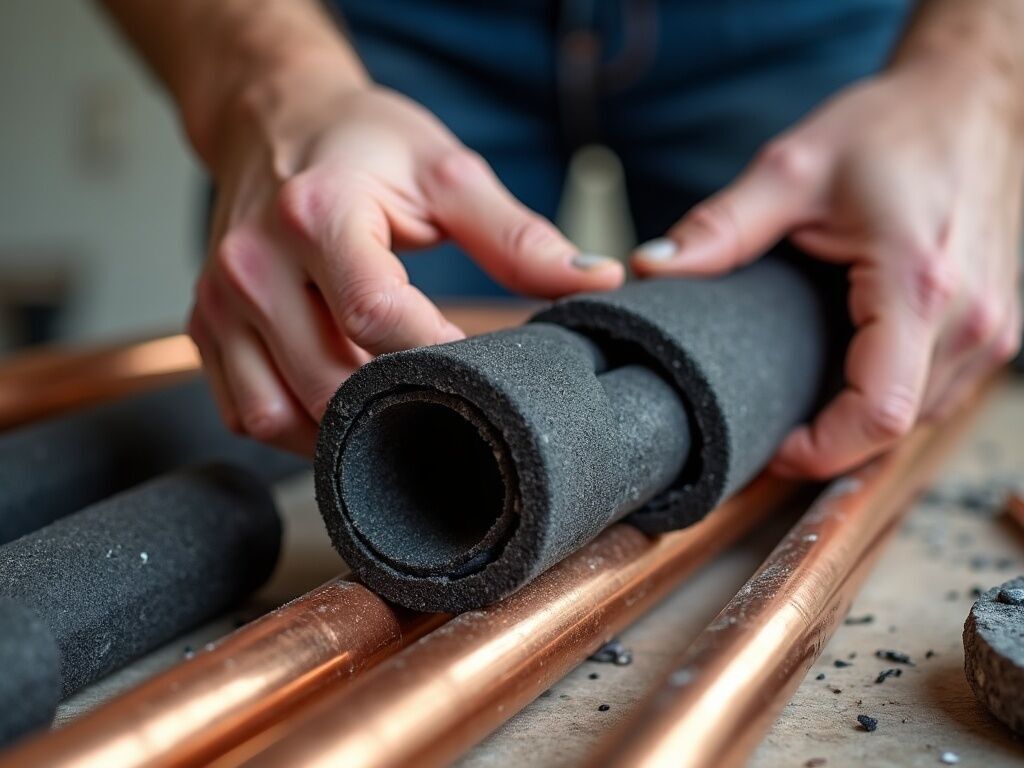
Advantages of choosing original, high-quality copper
Copper for air conditioning is characterized by high flexibility that prevents it from breaking when bent. It can also withstand high gas pressures without leaks. Using low-quality copper may lead to tiny cracks that are difficult to detect after sealing the walls, causing a gradual loss of Freon gas.
The importance of thermal insulation for copper pipes
Thermal insulation prevents water condensation on the surface of copper pipes that occurs as a result of temperature differences. If insulation is absent or weak, water will seep into walls and ceilings, causing moisture spots and paint damage over time.
Comparison table between the approved establishment standards
| item | Optimal technical standard |
|---|---|
| Copper type | Pure copper with a thickness of at least 0.7 mm |
| Thermal insulation | Thick foam insulation of at least 9mm |
| Inclination of pipes | 1 to 2 degree slope for water drainage |
| Electrical wires | Copper wires sized to match compressor capacity |
Steps to implement on-site establishment
The construction process goes through organized stages starting from cracking in the walls up to the final pressure testing of the pipes. Adherence to these steps ensures that technical problems do not occur after installing the air conditioners.
- Determine the locations of internal and external units and determine drainage levels.
- Crack the walls to the required depth to bury the pipes without affecting the structural integrity.
- Installing insulated copper pipes while maintaining smooth curves.
- Installing water drainage pipes (PVC) while ensuring the correct inclination towards the drainage point.
- Nitrogen pressure test to ensure there are no leaks in the welds.
Common mistakes to avoid when establishing
Many technicians make technical errors that affect the system's performance, such as over-stressing copper or neglecting drain tendencies. These errors may not appear immediately, but they cause chronic malfunctions that are difficult to repair without breaking the walls.
Ignore the nitrogen test
Neglecting the pressure test after welding the pipes is considered a serious mistake, as the test ensures the integrity of all connections. If a leak occurs after covering the pipes with cement, the customer will have to bear heavy additional repair costs.
Extensions overlap with other paths
You must ensure that air conditioning ducts do not intersect with hot plumbing or main electricity cables to avoid thermal or electromagnetic interference. Integrated project planning prevents these interactions that may hinder future maintenance operations.
Frequently asked questions
What is the best depth to bury air conditioning pipes inside the wall?
Pipes must be buried 5 to 8 centimeters deep to ensure protection from damage and to provide sufficient space for the insulation layer and cement mortar.
Is it possible to install air conditioning pipes after the painting stage is completed?
This is not recommended at all because foundation requires breaking down the walls and re-plastering, which spoils the paint and final finishes of the place.
Why should you use copper pipes instead of aluminum?
Copper has higher stress tolerance, greater forming flexibility, and excellent corrosion resistance making it the only approved choice in professional HVAC systems.
How do I know that the water drainage slope is correct?
You can test trends by pouring a small amount of water into the stream; If the water moves quickly toward the drain point without stopping or accumulating, the slope is ideal.
When should old air conditioning pipes be replaced?
It must be replaced if frequent leaks are observed in the welds, or if there is a permanent blockage in the drainage paths that cannot be cleared, or if the type of refrigerant gas is changed to one that requires a different pressure.
Final evaluation of foundation standards
| Standard | Rating |
|---|---|
| Material quality | 5/5 |
| Accuracy of engineering implementation | 4.8/5 |
| Sustainability and endurance | 4.9/5 |
| Ease of maintenance later | 4.5/5 |
Overall rating: 4.8/5.
It is a process Installing air conditioning ducts A long-term investment in the efficiency and comfort of your home, so do not hesitate to choose high-quality materials and an expert team. Always make sure to document the extension routes with pictures before closing the walls to ensure easy access to them when any future maintenance is needed.
















TQTAG76 Community dialogue
0 comments