
Technical determinants for choosing copper wiring paths
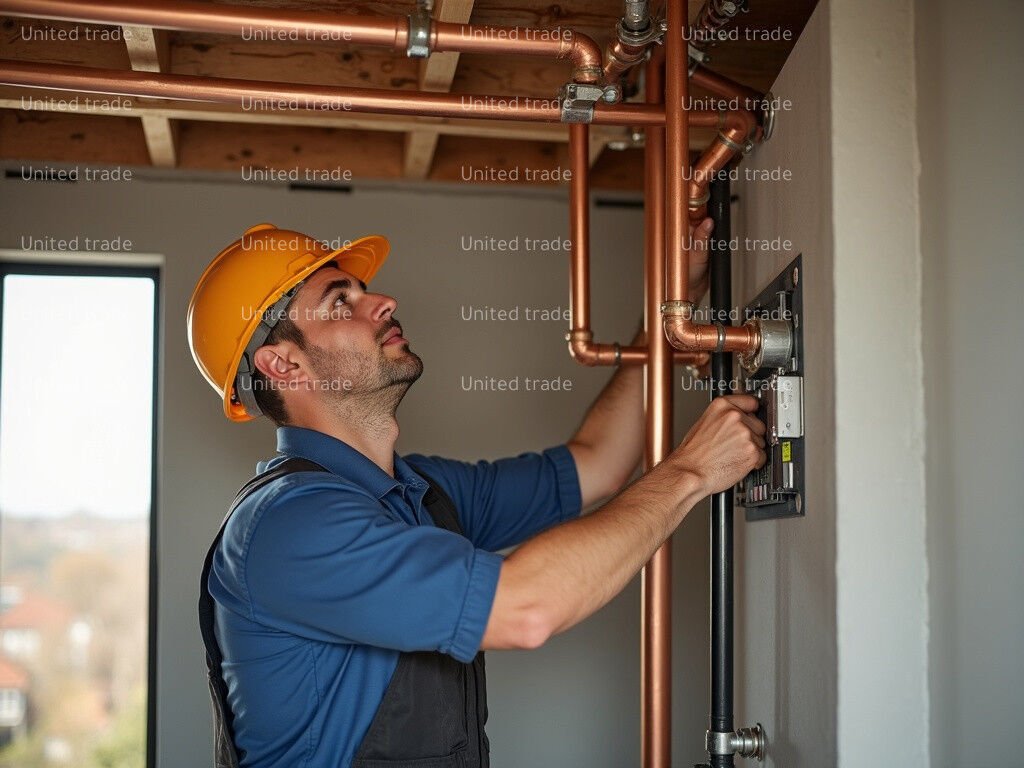
The process of determining the paths of air conditioning pipes inside the walls or in false ceilings is considered one of the most important pillars that determine the efficiency of the cooling system later. The matter is not limited to simply placing the pipes, but must take into account the thermodynamics and flow of Freon within the cycle. Paths should be planned with the least possible number of bends, because every sharp elbow or corner increases the resistance to Freon flow, which places an additional burden on the air conditioning compressor and reduces its lifespan.
Effect of path length on cooling efficiency
There is a direct relationship between the length of copper pipes and performance efficiency. The longer the path length exceeds the limit allowed by the device manufacturer, the lower the cooling capacity due to thermal pressure loss. In cases of construction of multi-storey buildings, care must be taken that the total length does not exceed the distance specified in the device’s technical instruction booklet, and if long extensions are necessary, the diameter of the pipes must be increased in proportion to the manufacturer’s instructions to ensure that there is no shortage of refrigerant flow.
Avoid intersections with plumbing and electrical extensions
Advance planning must be made to avoid air conditioning ducts interfering with main water pipes or electrical cables. From an engineering standpoint, it is strictly forbidden for copper pipes to pass over electricity collection points (switch boxes) to avoid any contact in the event of moisture condensation, and a sufficient safety distance must be maintained from sewer pipes to avoid any odors or damage in the event of a leak in the plumbing network.
Criteria for selecting the quality of raw materials and auxiliary materials
Saving on the quality of materials used Installing air conditioning ducts It is a grave mistake, the effect of which will appear after a few years. Choosing high-thickness copper ensures that it can withstand high Freon gas pressure, especially in modern air conditioners that operate with environmentally friendly gases with high operating pressures.
- Copper: It must be of the type designated for air conditioning (Refrigeration Grade), with a diameter and thickness that correspond to the device’s capacity in tons.
- Thermal insulation: The use of high-density (Armaflex) insulation prevents heat exchange with the surrounding environment and protects the pipes from condensation.
- Control wires: Electrical cables with standard specifications and high temperature resistance must be used to ensure signal continuity between the indoor and outdoor unit.
- Adhesive tape: Use high-quality, moisture-proof adhesive tape to cover the thermal insulation and prevent air leakage.
Comparison table between types of copper pipes
| Comparison | High quality brass (certified thickness) | Commercial brass (low thickness) |
|---|---|---|
| Pressure tolerance | Excellent and suitable for modern gases | Weak and vulnerable to explosion |
| Flexibility when bending | High and not subject to bending (ink) | Easily vulnerable to dents |
| Shelf life | Very long (more than 15 years) | Short (prone to abrasion and punctures) |
| Cooling efficiency | Stable and does not lose pressure | Fluctuating over time |
Common mistakes during implementation and ways to avoid them
Many of the problems that homeowners face after housing are due to simple mistakes during the foundation phase. One of the most common problems is not taking into account the slope of drain pipes. The pipes must have a slight slope towards the drainage point to ensure that water resulting from condensation flows naturally and avoids its backflow into the room.
Copper kinking problem
This error occurs when pipes are bent sharply without using a spring bender or a device designated for bending. This dent reduces the internal diameter of the pipe, which hinders the movement of Freon and causes the compressor temperature to rise abnormally.
Negligence in blocking pipe openings
The ends of the pipes must be closed with tight plastic plugs immediately after laying and before closing the walls. Leaving the pipes open exposes them to dust, sand, and building material residues entering the cycle, leading to blockage of the expansion valve or damage to the compressor later upon operation.
Procedures for verifying extensions before final closing
Before starting plastering operations or plastering walls, a series of field checks must be carried out. It is not enough to look with the naked eye; a systematic inspection protocol must be followed to ensure that the tracks are free of any defects.
Field safety tests
- Ensure that pipe diameters match the air conditioning capacity required in each room based on the engineering plan.
- Check the quality of thermal insulation and ensure that there are no exposed areas in the copper that may lead to water condensation.
- Ensure that there is sufficient distance between Freon pipes and electricity cables to avoid electromagnetic interference.
- Conduct air pressure testing (not just nitrogen in the initial stages) to ensure there is no mechanical damage while working on site.
- Photograph the pipe paths with a mobile phone or keep an “as-built drawing” for reference in case any future maintenance is needed.
Paying attention to these minute details gives you complete peace of mind, and avoids expensive repair costs that require you to demolish parts of the finishes later in the event of a leak or defect in the foundation. Investing in quality and professionalism is the smartest choice at this critical stage of your home's construction.
Installing air conditioning ducts It is the basic and most important step to ensure that the air conditioners work efficiently in your new home or office. The quality of cooling and the longevity of the air conditioner depend on the accuracy of the installation of copper pipes and the integrity of the drainage paths and electrical connections from the beginning of the finishing work. Through this article, you will learn about the exact technical standards forInstalling air conditioning ducts Which protects you from leaking problems or poor future performance.
Quick answer
Installing air conditioning ducts It is the process of installing insulated copper pipes, water drainage lines, and electrical extensions inside walls or ceilings before starting plastering and painting work. This process requires high precision in selecting copper diameters and determining drain tendencies to ensure that no water leaks or Freon pressure malfunctions occur.
The importance of advance planning for air conditioning installations
Pre-planningInstalling air conditioning ducts The basic foundation to avoid cracking in the walls after finishing. When the locations of indoor and outdoor units are precisely determined, engineers can provide hidden paths that do not affect the interior decoration or structural structure of the building.
Avoiding interference with other plumbing and electrical installations reduces the possibility of future problems. Relying on clear engineering plans ensures that air conditioning loads are distributed in a balanced manner, which reflects positively on the electricity bill and cooling efficiency in different rooms.
Technical criteria for choosing copper pipes
Excellent quality copper must be chosen to ensure that it can withstand high Freon pressures for long periods. It is always preferable to use copper of the appropriate thickness for the capacity of the air conditioner, as using thin copper leads to holes or leakage of the refrigerant gas as a result of repeated pressure.
To ensure sustained high performance, stand out Air conditioning maintenance As a periodic and indispensable necessity to maintain the efficiency of the installations and avoid any leaks that may affect the Freon pressure. This requires careful examination of the connection points and ensuring the integrity of the thermal insulation to protect the pipes from external factors that may impede the flow of cooling.
Once the foundational extensions are completed, it becomes... Air conditioning maintenance Periodically is the true guarantee of continued cooling efficiency and avoiding the accumulation of deposits inside the copper tracks. Adherence to a careful inspection schedule prevents bottlenecks in the Freon flow, extending the life of the system and protecting the unit from sudden malfunctions caused by pressure fluctuations.
Comes a turn Air conditioning maintenance As a basic pillar to ensure the continuity of the performance of these extensions, periodic inspection contributes to the early detection of any minute leaks or blockages that may hinder the cooling cycle. Adhering to a preventive maintenance schedule protects the system from operational stress and extends the life of the piping responsible for transporting the refrigerant with high efficiency.
Requires execution of an operation Dismantling and installing air conditioners Extreme precision in handling copper connections to ensure that the refrigerant gas does not leak or the pipes are not exposed to kinking. Adhering to engineering standards when reinstalling protects the efficiency of the device and extends its life in its new location.
This careful planning necessitates the integration of routes with advanced operational characteristics that distinguish... Carrier air conditionersTo ensure that pressure losses are reduced and that the refrigerant gas reaches the internal units with optimal efficiency. Taking into account these technical standards during installation ensures maximum benefit from the capabilities of Carrier air conditioners in rapid cooling and saving energy consumption in the long term.
It requires an operation Dismantling and installing air conditioners Extreme precision in handling cooling lines to ensure that Freon gas does not leak or damage copper pipes. Proper planning of this step ensures the sustainability of the device and avoids any malfunctions resulting from poor establishment or loss of operating pressure within the cycle.
Role emerges Sharp air conditioners As an engineering model, it takes into account the accuracy of these paths, as its advanced technologies require perfect compatibility between the cooling capacity and the length of the copper pipes to ensure optimal performance. Relying on the efficiency of Sharp air conditioners imposes strict construction standards to reduce pressure loss and maintain the integrity of the refrigeration compressor for long periods.
It is a process Air conditioning transportation From one site to another, it is an engineering challenge that requires extreme precision Dismantle and install Connections to ensure that the refrigerant gas does not leak or damage the copper pipes. Following thoughtful technical steps during this process directly contributes to maintaining the efficient performance of the device and extending its lifespan in its new location.
In this context, it stands out Sharp air conditioners As an engineering model, it takes into account the accuracy of these paths thanks to innovative air distribution techniques that require precise alignment with the extension paths. Choosing Sharp systems ensures continuous flow of refrigerant gas with high efficiency, which reduces heat loss and achieves greater stability in the operational performance of the device.
You acquire Carrier air conditioners It is especially important when implementing these paths, as they require geometric precision in the bending angles to avoid any bottleneck in the flow of the refrigerant. Adherence to the technical standards specified in Carrier air conditioners ensures sustainable operational performance and reduces heat loss to the maximum possible extent.
It requires extreme precision when handling Sharp air conditioners To ensure that the installations comply with their Freon pressure standards, which enhances heat exchange efficiency and compressor sustainability. Choosing the optimal paths for these devices prevents sharp bends that may impede the flow of the refrigerant, which extends the life of the system and ensures superior cooling performance.
This requires careful planning and selection Carrier air conditioners Due to its advanced engineering that requires expansion paths that match the pressure and flow standards of its units. Incorporating these devices into the architectural design ensures the highest levels of operational performance and reduces heat loss, enhancing the lifespan of the entire system.
Commitment to a regular schedule of operations Air conditioning maintenance It is crucial to ensure the continued performance of the system with high efficiency, as regular cleaning of condensers and checking refrigerant gas levels contribute to preventing sudden malfunctions. Ignoring these precautions can not only result in reduced cooling capacity, but may cause compressor fatigue and shorten the life of the entire equipment.
Requires operations to be carried out Dismantling and installing air conditioners High engineering precision to ensure the safety of the refrigeration cycle and maintain Freon pressure inside the pipes. Professional disassembly ensures that there is no gas leakage, while installation according to technical standards ensures stable operational performance and prevents any vibrations that may affect the life of the device.
Maintaining the efficiency of these extensions requires action Air conditioning maintenance Periodically to detect any minute leaks or blockages that may impede the movement of the cooling medium. Adhering to a regular inspection schedule ensures sustained thermal performance of the system and protects copper components from corrosion or unexpected mechanical stresses.
Specifications for thermal insulation of pipes
Thermal insulation is the layer that covers copper pipes to prevent water condensation inside the walls. Using high-quality thermal insulation prevents ducts from sweating, which is the main cause of moisture spots that appear on the walls near air conditioning units after a short period of use.
Keeping this efficiency going requires action Air conditioning maintenance Periodically ensuring the integrity of the thermal insulation is checked and preventing any minute leaks in the connections. Adhering to a regular inspection schedule protects your air compressor from operational stress and extends the life of the entire system.
Checking the quality of welds and connections
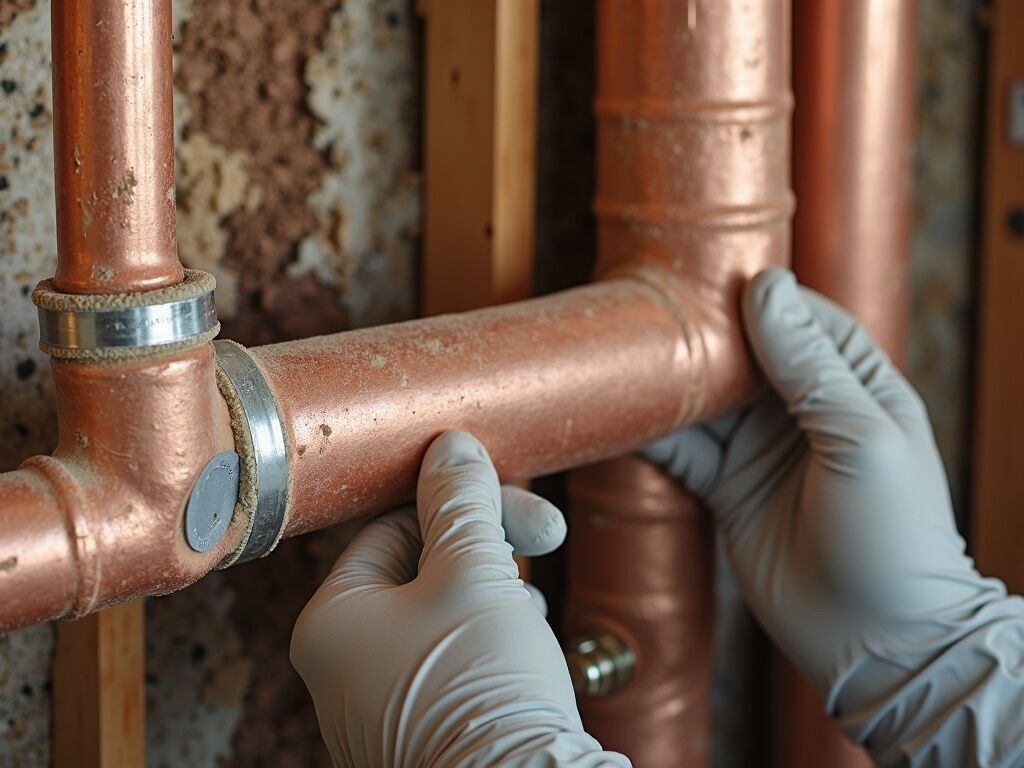
Weak welds are the number one enemy of a cooling system, so a nitrogen pressure test should be performed after completion Installing air conditioning ducts. This test detects any subtle leaks before the walls are permanently sealed, saving a lot of time and money in later repairs.
Correct implementation steps at the work site
The foundation process begins with determining the locations of the interior units based on the distribution of furniture and the area of the room. The walls are then broken to a depth appropriate to accommodate the pipes, taking into account the presence of sufficient inclinations for the water drainage line to ensure its flow and not pooling inside the pipe.
- Determine the locations of units accurately according to the engineering plan.
- Breaking tracks with sufficient depth and width for pipes and insulation.
- Install copper pipes, ensuring that there are no sharp bends.
- Connect the drain hose at regular inclinations towards the water disposal points.
- Conduct a nitrogen pressure test to ensure the system is free of leaks.
- Cover the pipes with a layer of cement mortar to protect them from mechanical pressure.
Comparison between types of air conditioning extensions
| item | Hidden copper extensions | Apparent establishment (no cracking) |
|---|---|---|
| Aesthetic appearance | Excellent (invisible) | Medium (needs coverage) |
| Cost | High (including cracking) | Low |
| Easy maintenance | Hard (inside the wall) | Very easy |
| Protection | Fully protected | Vulnerable to shocks |
Common mistakes to avoid when establishing
Many people make the mistake of choosing a copper diameter that is not compatible with the capacity of the air conditioner, which leads to poor performance and excessive electricity consumption. In addition, neglecting to make adequate inclinations of the drain hose is the number one cause of water dripping inside rooms, which is extremely annoying for users.
Another fatal mistake is not covering copper pipes well, which allows internal moisture to occur. Furthermore, leaving pipe routes unprotected during construction work may result in them being damaged by nails or heavy construction equipment, so pipe routes must be documented with photographs before sealing the walls.
Frequently asked questions
What is the right time to start installing air conditioning ducts?
The installation of air conditioning ducts begins immediately after the completion of the brickwork and before the start of plastering or painting work. This stage is the only opportunity to safely bury the pipes inside the walls.
Does the length of the pipes affect the efficiency of the air conditioner?
Yes, the longer the distance between the indoor and outdoor units, the greater the effort required from the air conditioner compressor. Experts always recommend reducing distances as much as possible and keeping them within the limits allowed in the device catalog.
Why do moisture spots appear on the wall next to the air conditioner?
Moisture spots usually appear due to defective thermal insulation of copper pipes or a blockage in the drain line. Poor insulation leads to water vapor condensing on the cold pipe surface, causing the wall to become saturated with moisture.
Is it possible to install copper pipes after finishing?
It is possible, but you will have to use visible pipes covered with plastic channels (Discor). This option is less aesthetic than the hidden internal foundation done at the osteotomy stage.
How do I ensure the integrity of the pipes after installing them?
The best way to know for sure is to have a nitrogen pressure test performed by a professional HVAC technician. This test holds the pressure for a certain period to ensure that there is no drop in the indicator, which means there is no leakage.
Final evaluation of the establishment process
| Standard | Rating |
|---|---|
| Engineering precision | 5/5 |
| Quality of materials | 4.5/5 |
| Ease of implementation | 4/5 |
| Value for life | 5/5 |
Overall rating: 4.6 out of 5.
Investing in professional installation of air conditioning ducts is an unmissable step to ensure your comfort for many years. Do not hesitate to contract with specialized technicians and review the pipe routes yourself before closing the walls to ensure their implementation according to the highest quality standards.
















Community dialogue
0 comments