

Technical requirements and materials used in extension lines
The quality of materials used in Installing air conditioning ducts The cornerstone that determines the lifespan of the entire system. This is not limited to just passing copper pipes into the walls, but also includes choosing specific types that can withstand high pressures and varying temperatures without being damaged or corroded. The cooling circuit mainly consists of two copper pipes, one with a larger diameter intended for returning Freon gas from the indoor unit to the outdoor one, and the other with a smaller diameter for transporting liquid Freon. It must be ensured that the copper used is original copper that conforms to the standard specifications, and it is preferable that it be of the type that can withstand high operating pressures, especially when using modern refrigerants such as R410A or R32 that require high pressures compared to the old types.
In addition to copper pipes, thermal insulation material is a crucial element in the efficiency of the system. It is recommended to use high-density rubber insulation (Armaflex) with a thickness of no less than 12 mm to ensure that the pipes do not sweat inside the walls, which over time may lead to the appearance of moisture spots or mold on the paint. You must also pay attention to the welding tape used to install the insulation, as it must be resistant to moisture and ultraviolet rays in exposed areas to ensure that it does not disintegrate.
Engineering considerations for extension paths inside walls
undergo process Installing air conditioning ducts To strict engineering standards aimed at reducing refrigerant pressure loss and facilitating future maintenance. One of the most important of these criteria is to avoid sharp bends or right angles (90 degrees) in the paths. The bending of the pipes at sharp angles leads to suffocation in the flow of gas, which places additional effort on the air conditioning compressor and reduces its operational life. Pipe “benders” (Bending Tools) designated for this purpose must be used to obtain smooth bends.
Determine the appropriate heights for air conditioning units
- The height of the indoor unit should be determined based on the air distribution in the room to ensure that direct air is not directed onto users' seating areas.
- It is recommended to leave a distance of at least 15 to 20 cm between the ceiling of the room and the indoor unit to ensure that there is enough space to draw return air from above.
- When installing pipe outlets, you must ensure that they are at a level slightly slanted outward to facilitate the process of draining water by gravity, and to avoid its backflow into the room if the drain hose is clogged.
Comparison table between pipe diameters according to air conditioning capacity
| Air conditioning capacity (hp) | Intake pipe diameter (inch) | Exhaust pipe diameter (inch) |
|---|---|---|
| 1.5 hp | 3/8 inch | 1/4 inch |
| 2.25 hp | 1/2 inch | 1/4 inch |
| 3 hp | 5/8 inch | 3/8 inch |
| 4 to 5 hp | 3/4 inch | 3/8 inch |
Pressure testing and ensuring the integrity of the extensions
After completing the foundation process and before closing the walls or starting the final finishing work, a very important step comes, which is the pressure testing of the pipes. This stage serves as a safety valve that prevents disasters from occurring after the painting and furnishing of the house are completed. Pipes are pressurized using dry nitrogen gas under high pressure of 400-500 pounds per square inch (PSI). This pressure is left inside the pipes for a period of not less than 24 to 48 hours, while monitoring the clock indicator mounted on the nitrogen cylinder. If the indicator decreases, this means there is a leak in one of the welds or a break in the copper pipes that must be treated immediately.
A careful visual inspection must also be performed on the welding points between the pipes, as these points are the places most susceptible to leakage. It is preferable for the refrigeration technician to make pipe connections away from the corners of rooms or places that are difficult to reach later, to ensure ease of carrying out any emergency maintenance without the need to break down walls in sensitive places.
Coordination with electricity and drainage works
Integration between Installing air conditioning ducts The rest of the services in the building are signs of professional work. There must be prior coordination between the air conditioning team and the electrical team to provide electrical supply points (disconnect switches) in appropriate places for each air conditioning unit, taking into account that these switches are close enough for control and ease of maintenance. Special paths must also be provided for the electrical cables (Control Wires) that connect the indoor and outdoor units, and passed through separate plastic pipes (PVC) inside the walls to protect them from damage or interference with water pipes.
Regarding drainage, the path of the condensation water must be planned very carefully. It is always preferable to direct the air conditioning drain to designated sanitation points (such as drain pipes in bathrooms or kitchens) and install a special “siphon” to prevent unpleasant odors from returning through the drain hose into the rooms. When building on multiple floors, care must be taken not to suspend the air conditioning drain on the building’s main drainage pipe network in a way that may cause back pressure or water leakage in the event of a blockage in the main line.
Effect of humidity and external environment on foundation
In areas with high humidity or close to bodies of water, it is required Installing air conditioning ducts Extra care. Salinity and humidity can corrode copper over time if it is not properly insulated and sealed. In these environments, it is recommended to use high-quality, corrosion-resistant insulation tape, and to ensure that the wall openings through which the pipes pass are closed with insulating foam or silicone to prevent insects or moisture from entering the wall gaps.
You should also pay attention to the location of the outdoor unit, as it is preferable to install the pipes in a place that enjoys good ventilation, away from direct heat sources such as other air conditioning devices, chimneys, or vertical sunlight, as the high temperature of the environment surrounding the outdoor unit greatly reduces the efficiency of heat exchange, which reflects negatively on the electricity bill and reduces the device’s ability to cool on harsh summer days.
Frequently asked questions about installing pipes
Q: Can air conditioning ducts be extended to the floors instead of the walls?
A: Yes, this is possible in cases of engineering necessity, but the pipes must be well protected by placing them inside larger plastic pipes (sleeves) to ensure that they are not exposed to pressure or breakage during pouring concrete or installing ceramics, with the necessity of maintaining water drainage tendencies.
Q: How long will the pipes remain usable if the air conditioner is not installed immediately?
A: If the ends of the pipes are tightly sealed (capped) to prevent dust and moisture from entering them, they can remain valid for many years. The most important thing is to ensure that it is not bent or damaged during subsequent finishing work.
Q: Should all pipes be hidden inside the walls?
A: Not necessarily, but from an aesthetic standpoint it is preferable. If breaking is not possible, plastic ducts installed on the walls can be used, and they are distinguished by colors that match the decor. They are a practical option in cases of renovations that do not allow the walls to be broken.
Q: How is the difference in pipe diameter between the old and new air conditioner dealt with if a change is desired?
A: If the installed pipes are not compatible with the capacity of the new air conditioner, you may have to use reducers, but this is not always recommended because it may reduce the efficiency of Freon flow, so it is preferable to ensure that the diameter of the pipes is compatible with the type and capacity of the air conditioner before purchasing.
Installing air conditioning ducts It is the essential process that ensures the efficiency of the cooling devices in your home or office for many years. Many people ignore the importance of pre-planning pipe routes, which leads to problems with water leakage or poor cooling later. This guide will explain exactly how to properly install to ensure the best performance of your HVAC system.
These foundational standards are integrated into programs Air conditioning maintenance Periodicity ensures efficient performance and prevents refrigerant gas leakage. Adhering to a regular inspection schedule protects the system from premature wear and enhances the installation's ability to operate at maximum operating capacity for many years.
These require extensions Air conditioning maintenance Careful periodicity to ensure the integrity of the thermal insulation and prevent refrigerant gas leakage, as any negligence in checking the copper connections may lead to a decrease in cooling efficiency and corrosion of components over time. Adhering to a preventive maintenance schedule directly contributes to extending the life of the device and avoiding sudden malfunctions resulting from dust accumulation or poor pressure inside the pipes.
These extensions require operations Air conditioning maintenance Periodic to ensure the safety of thermal insulators and prevent any refrigerant gas leaks that may affect cooling efficiency. Adherence to a rigorous technical inspection schedule protects pipes from corrosion caused by environmental factors and prolongs the efficient operational performance of the system.
It requires an operation Dismantling and installing air conditioners Extreme precision in handling the refrigeration cycle to ensure maintaining the efficiency of Freon gas and preventing its leakage during transportation. It also requires high technical skill in reconnecting the copper connections and emptying the air from the pipes, which ensures perfect operation of the device in its new location without technical malfunctions.
come Carrier air conditioners As an ideal model for implementing these standards, its designs rely on high-quality copper that resists corrosion and ensures the flow of the cooling medium efficiently. This careful selection of materials gives the system superior ability to withstand harsh climatic conditions, which enhances the efficiency of the air conditioner’s operational performance in the long term.
It requires an operation Dismantling and installing air conditioners Extreme precision in handling the refrigeration cycle to ensure that Freon gas does not leak or damage sensitive mechanical parts. Hiring qualified experts to carry out this task protects the unit from damage and ensures efficient performance in its new location by adjusting the copper and electrical connections according to precise engineering standards.
Considered Sharp air conditioners An ideal model for integrating efficient performance and durability of components, its design relies on high-purity copper tubes that ensure the flow of the refrigerant with the highest levels of safety and effectiveness. This commitment to precise engineering standards gives the system superior ability to withstand sustained operating pressures and ensures sustained performance for many years.
Moving between locations requires extreme skill in operations Dismantling and installing air conditioners To ensure the efficiency of the cooling cycle is maintained and to prevent Freon gas leakage. Careful technical protocols must be followed when dismantling and reinstalling modules to avoid mechanical damage and ensure optimal performance of the device in its new environment.
The process of dismantling and transporting refrigeration devices requires high technical precision to ensure the safety of the refrigeration cycle and avoid leakage of Freon gas, as it must be followed Installation and maintenance steps Correct to maintain efficient performance. Using specialists ensures that common technical errors do not occur that may negatively affect the lifespan of the device.
Considered Sharp air conditioners An ideal model for integrating efficient performance and durability of components, its design relies on high-quality copper tubes that fully comply with advanced technical standards to ensure the flow of the refrigerant with complete efficiency. Choosing this type of equipment enhances the system’s ability to operate under the harshest climatic conditions while maintaining continuity of cooling and saving energy.
come Carrier air conditioners As an ideal model for these standards, it relies in the design of its extension lines on high-purity copper pipes that can withstand intense refrigerant gas pressures to ensure efficient operational performance. This precise compatibility between the quality of the pipes and advanced cooling technologies gives the system a superior ability to meet the challenges of continuous operation in the harshest climatic conditions.
Considered Sharp air conditioners It is an ideal model in integrating these strict technical standards, as its design relies on high-purity copper tubes that ensure the maximum efficiency of the refrigerant flow. Choosing these systems reduces the possibility of future leaks and maintains the superior performance of Sharp air conditioners throughout the years of operation.
In this context, efficiency emerges Carrier air conditioners As a model that imposes precise standards that require complete compatibility with high-quality copper pipes to ensure optimal cooling efficiency. Relying on these advanced systems requires selecting robust engineering equipment that prevents refrigerant leakage and supports the sustainable performance of the device over the long term.
come Air conditioning maintenance Periodically as a crucial factor to maintain the efficiency of these extensions and ensure that they are free of potential leaks over time. Regular inspection contributes to detecting any corrosion of insulating materials or abnormal pressures inside the pipes, which extends the life of the operational system and prevents sudden malfunctions.
It requires an operation Dismantling and installing air conditioners Extreme precision in handling copper tubes to ensure that no twists occur that impede the flow of the refrigerant gas. It also requires relying on highly efficient thermal insulators to maintain the integrity of the extensions and protect them from external factors that may lead to their corrosion over time.
Air conditioning systems require careful periodic maintenance to ensure continued cooling efficiency and protect internal components from corrosion due to weathering. Sticking to a regular schedule is... Air conditioning maintenance Significantly reduces the probability of sudden malfunctions and extends the operational life of the device.
Quick answer
Installing air conditioning ducts It is the process of determining the paths of copper, electrical, and water drainage pipes within walls or ceilings before the finishing stage. Its quality depends on choosing the appropriate diameters of copper pipes, excellent thermal insulation, and ensuring correct inclinations of the water drainage lines to prevent any leaks.
come Air conditioning maintenance As a fundamental step that is no less important than foundation to ensure cooling efficiency and avoid refrigerant gas leaks resulting from corrosion of connections over time. Regular inspection of these lines prevents blockages in the drainage paths, protecting the walls from moisture and prolonging the operational life of the device.
Why is pre-laying of pipes the cornerstone?
The importance of pre-priming is to prevent cracking in the walls after the paint and final finishes are completed. When you precisely determine the locations of indoor and outdoor units, you save additional costs and ensure an aesthetic appearance of the place.
Avoid common technical problems
Installing air conditioning pipes in an inappropriate manner causes water leakage into rooms or corrosion of copper pipes due to humidity. Good planning ensures that the device continues to operate at high efficiency without frequent malfunctions.
Maintain operational efficiency
Pipes that are established with straight paths and without sharp bends maintain the Freon gas pressure within the closed circuit. Any unjustified twisting of the copper leads to fatigue of the air conditioning compressor and significantly reduces its lifespan.
Steps for professional implementation of air conditioning paths
The first stage begins with taking the measurements and determining the locations of the interior units in a way that matches the room’s décor and furniture distribution. Next, the walls are carved to the appropriate depth to accommodate the piping bundle that includes copper, drain line, and electrical wire.
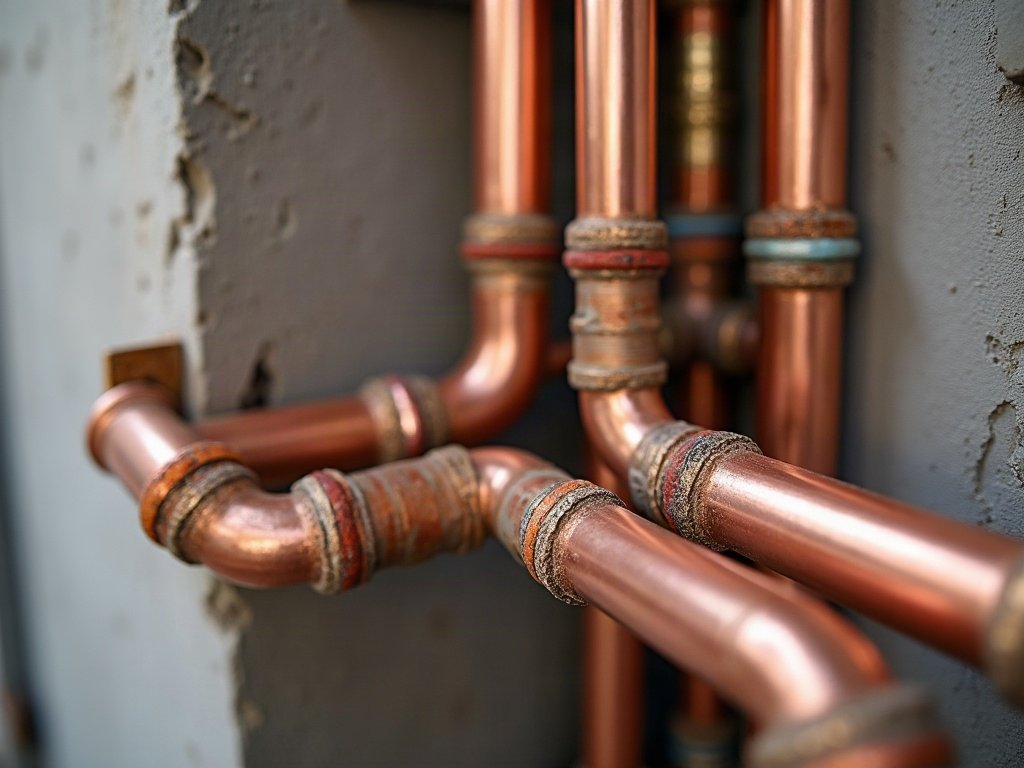
Selection of foundation materials
Never compromise on the quality of copper pipes; High-quality copper is responsible for transporting the refrigerant without heat loss. Thermal insulation (Armaflex) of appropriate thickness must be used for each copper pipe to ensure that water condensation does not form on the surface of the pipes.
Adjusting the inclinations of drainage pipes
Drain pipes are the most sensitive part of the foundation; It requires a continuous gradual slope towards the drainage point. Failure to adjust this tendency accurately leads to water refluxing into the room instead of going out.
Comparison table between air conditioning foundation materials
| item | Required specifications |
|---|---|
| Copper type | Pure copper (C1220) with a thickness of at least 0.8 mm |
| Thermal insulation | Rubber insulation (Armaflex) 9-13 mm thick |
| Drainage pipes | High quality PVC pipes with slopes of 1 cm per meter |
| electricity | Insulated copper cables with sizes matching the device catalogue |
How to choose the right path for pipes?
The air conditioning ducting path should be the shortest and straightest between units to reduce pressure loss. Avoid placing pipes near direct heat sources such as hot water lines or light poles built into ceilings.
Aesthetic and engineering considerations
All extensions must disappear inside the walls or behind false ceilings (gypsum board) to provide an elegant appearance. Make sure to document the pipe routes with photographs before sealing the walls, to avoid puncturing them later when hanging paintings or furniture.
Pipe pressure testing before closing
Before sealing the walls with plaster or paint, it is necessary to pressurize the pipes with nitrogen gas to ensure that there are no leaking welds. This testing is the most important step to ensure the long-term reliability of the system.
Frequently asked questions
What is the best time to start installing air conditioning ducts?
Foundation must begin immediately after the completion of construction work and before starting plastering or interior decoration work for the building.
Is it possible to install air conditioning ducts after finishing?
Yes, but it is an expensive and difficult process and requires breaking down walls and distorting existing decorations, so it is always preferable to establish in the bone stage.
What is the ideal diameter of drain pipes?
It is always preferable to use a 1-inch diameter for drain pipes to ensure that they do not become clogged easily and that condensate water drains flexibly.
Does the length of the pipes affect the efficiency of the air conditioning?
Yes, the longer the ducts are longer than the manufacturer's manual, the lower the cooling efficiency and the more electrical energy the appliance consumes.
Why should copper pipes be insulated separately?
Each copper pipe must be insulated separately to prevent thermal contact between the intake pipe and the exhaust pipe, which increases the overall cooling efficiency.
conclusion
Investing in professional installation of air conditioning ducts is a decision that will save you a lot of trouble and expense in the future. Make sure to hire specialized technicians and follow engineering standards to ensure your home is always comfortable.
















TQTAG76 Community dialogue
0 comments