
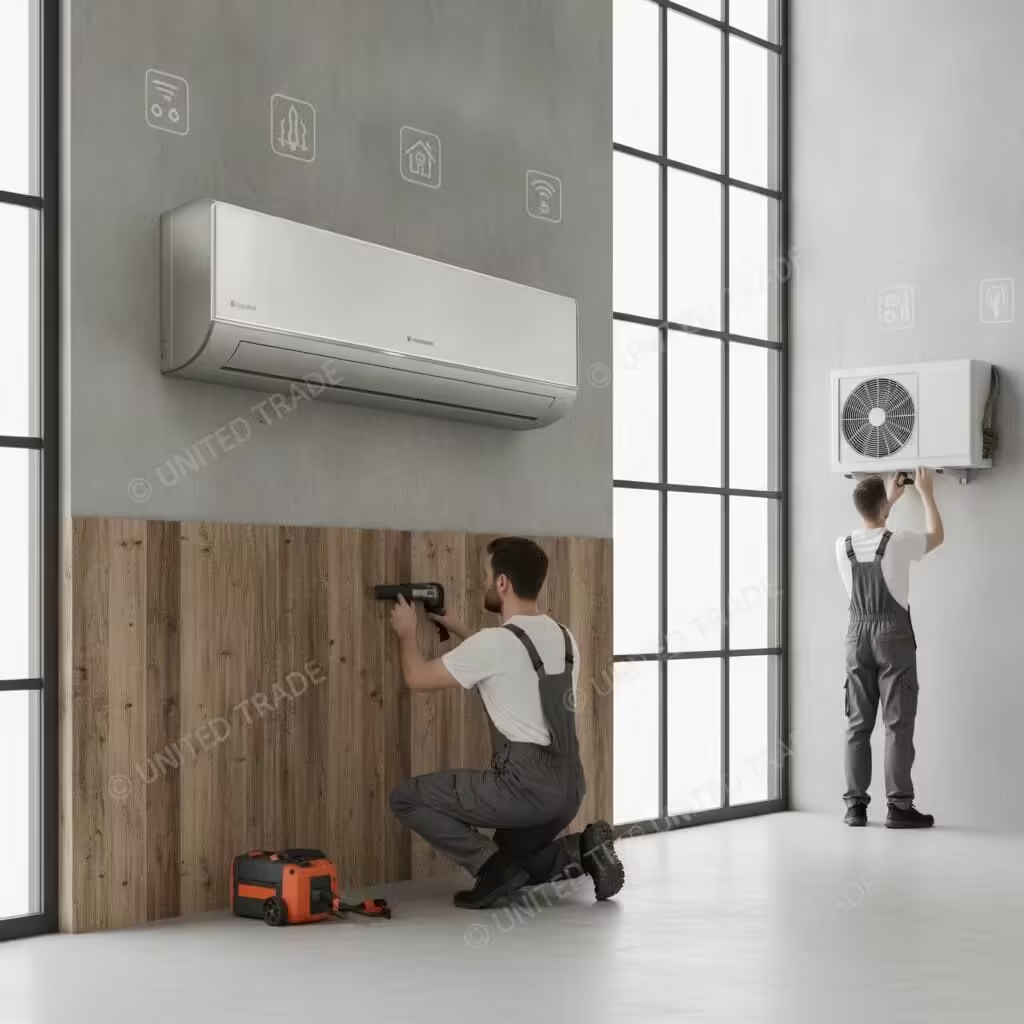
In our world today, the air conditioning system is no longer just a luxury, but rather an indispensable necessity to ensure comfort in our homes and offices. But the truth is that the efficiency of this system and the beauty of its design do not depend only on the choice of the unit itself, but rather depend largely on the stage of establishing the air conditioning ducts. With the amazing development in modern interior design, a choice has emerged Hide air conditioning pipes Inside the gypsum board is an ideal solution that combines effective performance with an elegant appearance that catches the eye. This process, although it may seem simple, requires extreme precision and high professionalism to ensure that the system operates at maximum efficiency and avoid any problems that may arise in the near or distant future. In this article, we will take you on a detailed and comprehensive journey in which we will explore all the secrets of establishing hidden air conditioning ducts with gypsum board, starting from the paramount importance of advance planning to the precise technical standards and implementation steps that must be taken into account.
Why is pre-priming your air conditioning ducts crucial to lasting comfort?
Giving importance to pre-establishing your air conditioning ducts is not just a minor detail, it is a real investment that leaves its mark on several vital aspects that directly affect your cooling experience in the short and long term. Let us delve deeper into understanding these aspects:
The magic of modern beauty in our interior designs is not limited to furniture and décor only, but also extends to include the smallest technical details that ensure our comfort, hence the importance of Installing air conditioning ducts Professionally and carefully from the beginning. This pivotal step is what determines the efficiency of the cooling system in the long term, and avoids any problems that may spoil the splendor of the place or affect the air quality. After the establishment process is complete, continued care is no less important; F Inspection of air conditioning pipes Periodically, it ensures early detection of any challenges the system may face, and maintains a comfortable and refreshing environment free of sudden malfunctions. It is an equation that combines hidden beauty and unrivaled performance.
- Pure aesthetics and maintaining the elegance of interior design: No one can deny that visible pipes, even if they are arranged, may constitute a major visual nuisance that reduces the elegance and beauty of the place. Hiding the pipes inside the gypsum board ensures a clean, elegant, and organized appearance, away from visual clutter that may spoil the harmony of modern interior design. It gives your space a feeling of spaciousness and order, enhancing the overall design value and adding a touch of priceless luxury. Imagine a modern living room with clean lines and smooth surfaces, without any cables or pipes to mar this beauty; This is exactly what Hidden Incorporation provides.
- Intelligent prevention of future malfunctions: When piping is installed properly and by professionals, the likelihood of refrigerant leaks or blockages in drain lines is greatly reduced. This proactive approach reduces your need for frequent and costly maintenance, and protects you from surprise failures that may occur at the worst times. Proper installation means tight connections, smooth paths, and effective insulation, all of which help protect your system from common problems.
- Cost saving in the long run: Investing in high-quality foundation may seem expensive at first, but it actually represents a significant saving in the long run. A skillfully installed system has a longer lifespan and better operating efficiency, which means significantly lower electricity bills due to less energy consumption. In addition, reducing downtime means reducing expensive repair costs, avoiding the need to break up drywall or walls to fix a problem that could have been avoided with proper foundation.
- Maximize cooling efficiency: Well-insulated and properly laid piping plays an essential role in maintaining the temperature of the refrigerant gas or cooled liquid. This ensures that cooling reaches the indoor unit very efficiently without losing energy due to heat exchange with the surrounding environment, which contributes to optimal air conditioning performance and effective and rapid cooling of the place, so you can enjoy a constantly fresh and comfortable atmosphere.
Basic criteria for choosing appropriate air conditioning ducts: The pillar of superior performance
Choosing the right pipes is not just a detail, but rather the cornerstone on which the success of the entire construction process is built. There are several critical factors that must be taken into consideration to ensure an air conditioning system that operates efficiently for many years without trouble:
Type of pipe material (copper is the best choice and why)
It is considered Copper pipes The best and most suitable option for modern air conditioning systems, for a number of logical and practical reasons that make it superior to any other options:
- The quality and thickness of copper is a significant factor: Care must be taken to use high-quality, completely pure copper, preferably the type bearing the C12200 mark, known as “oxygen-free copper,” in order to ensure the purity of the material and its ability to withstand harsh conditions. The thickness of the piping must also precisely match the pressure of the refrigerant used in your system (such as R410A which requires a higher pressure than R22). High quality and appropriate thickness copper tubing provides superior durability and unparalleled resistance to high pressure, reducing the risk of bursting or cracking under normal operating conditions.
- Exceptional corrosion and leakage resistance: Copper has a high natural resistance to corrosion and rust, meaning it will not easily react with moisture or chemicals in the refrigerant, greatly reducing the chances of annoying refrigerant or condensate water leaks. This feature ensures you a compact, silent and worry-free system.
- Flexibility of installation that serves the design: Copper has a flexibility that allows it to be shaped and stretched with relative ease, with the ability to create smooth, regular bends without the need for many additional joints. This flexibility is very important to avoid breaks or sharp bends that could obstruct refrigerant flow and cause a decrease in system efficiency, or even long-term damage to the compressor.
Correct pipe diameters: the key to optimal performance
Choosing the correct diameters for copper pipes is as important as the quality of the material itself. The diameters of the pipes must precisely match the technical specifications of the air conditioner’s outdoor and indoor units, and this is vital for several reasons:
- The importance of matching pipe diameters to air conditioning capacity: For each specific cooling capacity (measured in BTU or tons) specific piping diameters are required for both the liquid line and the suction (gas) line. This matching ensures optimal refrigerant flow without any unnecessary restrictions or pressures. For example, a 2-ton air conditioning unit requires completely different duct diameters than a 5-ton unit.
- Effect of diameter on cooling efficiency and compression: When pipe diameters are inappropriate, whether smaller or larger than required, this can lead to a series of problems. Smaller piping causes pressure surges and a loss in cooling efficiency, forcing the compressor to work harder and consume more energy, and may eventually lead to damage. Larger pipes allow more refrigerant to flow than necessary and may cause problems with oil returning to the compressor, negatively affecting its lubrication and lifespan. Consultation with a specialized technician Pipe diameters are the ideal solution to ensure the correct selection.
Thermal insulation of pipes: efficient protection shield
Effective thermal insulation of pipes is no less important than the pipes themselves, as it serves as a shield that protects the efficiency of the air conditioning system and enhances its lifespan:
- Types of insulation and its quality: Armaflex insulation or high-density closed-cell foam is typically used. The insulation used must be resistant to moisture and various weather factors, and have a very low thermal conductivity coefficient to ensure its maximum effectiveness. You should also pay attention to the thickness of the insulation. The thicker the insulation, the greater its ability to prevent heat exchange.
- The importance of insulation to reduce energy loss and moisture condensation: Good insulation prevents heat loss from cold liquid lines or heat gain from hot gas lines from the surrounding environment, keeping the refrigerant temperature constant and increasing system efficiency. Most importantly, insulation prevents moisture from condensing on the surface of cold pipes, which is known as “sweating.” This condensation can lead to damage to the gypsum board, the appearance of unsightly moisture spots, and the proliferation of mold and bacteria, which negatively affects the air quality and the health of the residents of the place.
Steps to install hidden air conditioning ducts with gypsum board: a journey of professional implementation
This foundation process requires careful planning and professional implementation, and here are the basic steps to follow to ensure amazing results:
Advance planning and careful engineering design
Before we even think about starting any actual work, a detailed and carefully thought-out plan must be drawn up, and this includes:
- Determine the locations of indoor and outdoor units: Optimal locations for indoor units should be chosen to ensure the best distribution of cool air in the rooms, taking into account aesthetics and interior design. As for outdoor units, they must be placed in a place that is easy to maintain and well ventilated, away from direct heat sources or closed spaces that may hinder their efficiency.
- Drawing pipe routes and locations of maintenance holes: Pipe routes must be drawn accurately on the engineering drawings of the building, making sure that they do not conflict with any other existing extensions (such as electricity, water, or sewage extensions). Maintenance openings must also be located strategically, so that they are artistically and beautifully hidden, but allow easy and direct access to the main connections and valves when periodic maintenance is needed or in the event of any emergency, without the need to break large parts of the gypsum board.
Condensate sewer installation: Prevent annoying leaks
Condensation water resulting from the cooling process requires a correct and reliable drainage system to avoid any potential problems that may lead to water leakage:
- Correct inclination of drain pipes: Drainage pipes should be installed with a sufficient slope (usually 1% to 2% per linear metre) toward the designated drainage point. This tilt ensures the smooth flow of water due to gravity, and prevents water accumulation and the formation of sediments or algae that may lead to clogged pipes.
- Avoid sharp or complex bends: Sharp bends or multiple elbows can be weak spots where sediment collects and causes blockages in the water course. It is preferable to use straight paths whenever possible, and when necessary use bends with open angles or smooth elbows.
- Quality of drainage materials: Using drain pipes made of high-quality PVC ensures their durability and resistance to blockage and damage in the long term.
Copper piping: the art of perfect connection
This is the basic stage in Installing air conditioning ductsIt requires high skill and precision:
- Professional welding of pipes using nitrogen: Copper connections should be soldered by specialist, certified technicians, using appropriate soldering equipment (usually silver solder). Most importantly, you must use Nitrogen gas During the welding process (so-called “nitrogen purging”). Nitrogen prevents the formation of oxidation or internal scale within the pipes during welding, which can later separate and clog the system filters or damage the compressor.
- Avoid unnecessary breaks and bends: Pipe runs should be as straight as possible with minimal bends. Any breakage or severe bend can obstruct refrigerant flow and reduce system efficiency, or even cause damage to the piping. A skilled technician uses pipe benders to create smooth, rounded bends.
- Secure installation of pipes: After laying, pipes must be fixed well inside the walls or ceilings using suitable clamps and anchors at regular intervals (approximately every 1 to 1.5 metres). This ensures that it does not shake or move after installing the gypsum board, and protects it from damage.
Pressure and vacuum testing: ensuring free from leaks and moisture
This step is absolutely crucial to ensuring the long-term safety and efficiency of the system, and is absolutely indispensable:
- The importance of this step to detect any hidden leaks: Dry nitrogen gas (because it is an inert and safe gas) is pumped at a certain pressure (usually 250-300 PSI for R410A systems) into the entire piping. Wait at least 24 hours (preferably 48 hours) to monitor the pressure gauge. Any drop in pressure reading during this period clearly indicates a leak that must be looked for and repaired immediately before the pipes are hidden. Ignoring this step means burying the problem under the gypsum board!
- Deep Vacuum Evacuation: After ensuring that there are no leaks, deep emptying of the pipes must be performed using a special vacuum pump. This process aims to remove all moisture and air (non-condensable gases) from within the piping system. The presence of moisture or air negatively affects the cooling efficiency and leads to the formation of harmful acids that may damage the compressor and cause serious malfunctions. The vacuum must reach a certain micron level (usually less than 500 microns) to ensure the system is completely clean and dry.
Final insulation and installation of pipes: comprehensive protection
After ensuring that the pipes are safe and free of leaks and moisture, the final insulation and installation stage comes:
- Ensure that all parts of the pipes are covered with insulation without exception: Copper piping must be completely wrapped with approved thermal insulation material (such as Armaflex) in a tight manner, taking care not to leave any area exposed, including joints and elbows. Any area that is not well insulated will form a “thermal bridge” that loses energy and causes moisture condensation, defeating the purpose of insulation.
- Use appropriate clamps and fasteners: Well-insulated pipes are fixed within the metal structure of gypsum board or ceilings using clips and fasteners specially designed for this purpose. These fasteners must be strong enough to stabilize the pipes and prevent them from vibrating, but at the same time not to stress the insulation or damage the pipes themselves. This ensures that the pipes remain stable and protected before and after installing the gypsum board.
Preparing gypsum board holes: a touch of functional beauty
Gypsum board openings must be planned very carefully, as they are not just ordinary openings, but rather part of the design and function:
- Cleverly hidden service and maintenance openings: Small, artistically and aesthetically hidden openings must be provided, which can be integrated into the ceiling lighting design or cleverly designed inspection openings. These openings allow easy access to important valves or connections in copper piping or drains for regular maintenance, or in the event of breakdowns, without the need for a major mess or break-in.
- Indoor unit openings: Prepare appropriate and precisely cut openings to install the internal air conditioning units tightly and beautifully, so that the unit appears as if it were an integral part of the ceiling or wall, with the least possible gaps around it.
Common mistakes to avoid when installing air conditioning ducts: For installation without regret!
To avoid a lot of future hassles and problems that may cost you time, money, and comfort, you must pay close attention to these common mistakes that some people make when installing air conditioning ducts:
- Use of poor quality or insufficient thickness pipes: This is a huge mistake! Pipes that do not meet specifications or have poor thickness cannot handle the refrigerant pressure, causing rapid leaks and loss of gas, thus stopping the air conditioner from working efficiently. Relying on cheap pipes saves money in the short term but costs exponentially in future repairs.
- Not paying enough attention to thermal insulation or using poor insulation: This leads to a significant loss of electrical energy (unjustifiably high bills) and excessive water condensation on the surface of cold pipes. This condensation causes damage to the walls and gypsum board, the appearance of moisture spots and mold, and may even lead to the collapse of parts of the gypsum ceiling.
- Dispensing with the pressure and deep vacuum test procedure: This is the step that can never be given up! Neglecting to pressure test means burying potential leaks under the gypsum board, which will inevitably lead to loss of refrigerant and subsequent compressor damage. Neglecting to empty means that moisture and air remain inside the system, which destroys the compressor and reduces the cooling efficiency catastrophically. The cost of repairing these problems after concealing the pipes is very high and requires cracking and destruction of the finishes.
- Choosing pipe diameters that are not suitable for the air conditioning capacity: As mentioned earlier, this directly and negatively affects the performance of the air conditioner, and forces the compressor to work twice as hard, which reduces its lifespan and increases energy consumption. Consultation with a specialized technician The pipe diameters are key here.
- Extending drainage pipes without sufficient slope or with sharp bends: This causes water to accumulate and clog the drain pipes, resulting in water leaking from the indoor unit (dripping) onto the floor or plasterboard, which is a very unpleasant sight and can cause serious damage.
- Relying on non-specialized or unqualified technicians: Establishing hidden pipes requires experience, high skill, and precise knowledge of technical standards. Relying on non-specialists or those who do not have the necessary competence may cost you a lot of money, time and effort in the future, and may ruin your entire experience.
Maintenance of hidden air conditioning ducts after installation: to maintain outstanding performance
Although air conditioning pipes have become hidden inside the gypsum board, this does not mean that they do not require regular care and maintenance. In fact, regular maintenance is more important here, so why?
- The importance of regular maintenance in early detection and prevention: Regular maintenance helps in early detection of any potential problems that may not be apparent to the naked eye, such as the beginning of a very small leak, poor insulation, or a partial blockage in the drain line. This early detection allows rapid intervention and repair of the problem before it worsens and turns into a major malfunction that requires greater effort and cost to repair, thus maintaining the system’s efficiency and lifespan.
- Signs of a problem that needs attention: You should be alert to any signs that may indicate a problem with the hidden air conditioning system, including: a noticeable decrease in cooling efficiency (the air conditioner is not cooling as it was), strange and unusual sounds coming from inside the walls or ceiling (such as bubbling or leaking sounds), the appearance of moisture spots or signs of mold on the gypsum board in the area of the indoor unit, or a sudden and unexplained increase in the electricity bill. When you notice any of these signs, do not hesitate to request an immediate examination. Inspection of air conditioning pipes Regularly, it avoids these problems and maintains your comfort.
- How to access hidden pipes for effective maintenance: This is where the true importance of carefully planned maintenance openings emerges. These intelligently designed openings allow specialized technicians to have direct access to the main connections and valves in the pipes, and perform the necessary inspection, or even fix emergency problems without the need to break or demolish the gypsum board. This saves you the trouble of breaking, repainting and finishing, and makes the maintenance process easier, faster and much less expensive.
A final word: an investment in limitless comfort and lasting beauty
In conclusion, the decision to install hidden air conditioning ducts with gypsum board is a real and thoughtful investment in the comfort of your home or office, in the efficiency of your cooling system, and in the beauty of your interior design. It is not just an ordinary installation, but a process that requires careful planning from the beginning, the selection of high-quality materials that will stand the test of time, and impeccable professional implementation by specialized technicians who possess the necessary experience and knowledge. By following the correct standards and avoiding the common mistakes we mentioned, you can guarantee yourself an effective, long-lasting air conditioning system with a stunning aesthetic appearance that adds to the elegance of your space and makes it an oasis of calm and comfort. Never hesitate to turn to the experts to ensure the best results and the comfortable and refreshing environment you deserve.
















TQTAG76 Community dialogue
0 comments